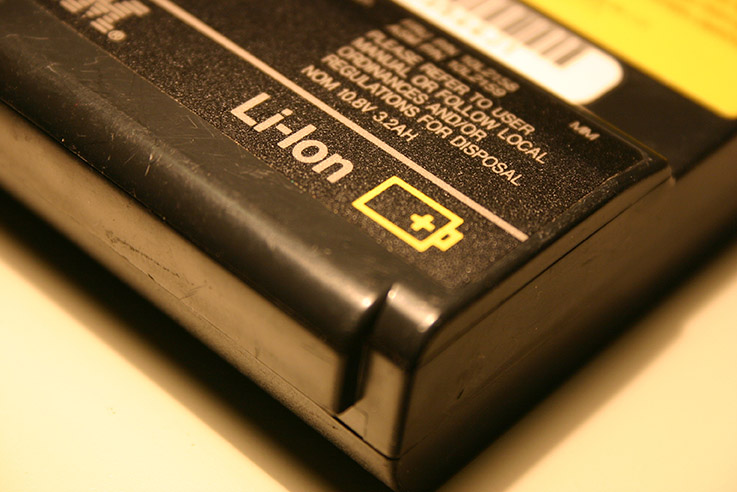
The growing need for electronics among North American consumers and a rise in EV demand is expected to lead to a surge in lithium-ion battery recycling in the next few years, according to a new Markets and Markets report.
Researchers found the North American recycling market to be worth an estimated $2.43 billion last year. That number is expected to triple by 2032 to $7.38 billion, an annual growth rate of 17.2%. Within the US, that growth rate is expected to be even higher at 18.5%.
EV demand remains high across the continent even as US sales saw a 27% year-over-year dip last month, thanks to expiring federal incentives for buyers. In Canada, where EVs make up about 20% of total new auto sales, resurrected $5,000 EV rebates have helped demand rebound. Demand has particularly grown in Mexico, where a record 112,000 electrified vehicles were sold the first half of this year, up 46.5% from the first half of 2025.
The subsequent rise in expired batteries, combined with more manufacturing scrap from a growing number of gigafactories, has boosted the amount of spent materials hitting the marketplace, thus spurring demand, the authors wrote. That’s among the reasons why the automotive segment is expected to lead the lithium-ion recycling market in the near future. At 14.6%, researchers said autos will be the top source of recycled batteries during the study period.
Government action beyond financial incentives is expected to further drive recycling. The authors cite the desire to secure domestic supply chains as another reason for the upswing. In the US, a presidential order allowing for the banning of mineral exports and congressional consideration of several mineral-related bills has given the issue new light in recent months. Some states, such as Illinois, California and Colorado, are pushing their own recycling initiatives.
“The country continues to develop its battery collection and recycling infrastructure, supported by initiatives that promote public participation through designated collection centers and nationwide awareness campaigns,” the authors wrote. “Federal initiatives that mandate manufacturers to ensure proper collection and recycling of spent batteries, along with growing industry engagement, are expected to significantly accelerate the growth of the lithium-ion battery recycling sector.”
Any growth won’t be without issues, though. Fire-related safety issues surrounding the storage and transport of batteries — as well as at handling facilities, which have seen an elevated number of incidents this year — have nearly frozen the recycling market, the authors wrote. Also holding the market back is a lack of adequate recycling infrastructure, combined with high recycling costs — two factors that have forced some companies to declare bankruptcy or otherwise scrap plans to build facilities.
But opportunity exists, the authors wrote, to build up the infrastructure to meet alternative demands. Solar and wind energy projects carry with them storage needs that can be met by second-hand batteries, giving recyclers another avenue through which to generate revenue.
“This soon-to-come lot of extensive battery waste is a big chance for the recyclers to not only get a long-term steady supply of feedstock but also help in the recycling of critical materials, which are very important for the clean energy transition through the circular supply,” the authors wrote.
Among chemistry types, lithium iron phosphate (LFP) batteries are expected to be the fastest-growing segment due to their growing acceptance. But lithium nickel manganese (LMN) batteries remain the dominant chemistry, accounting for nearly 58% of the recycling market.