




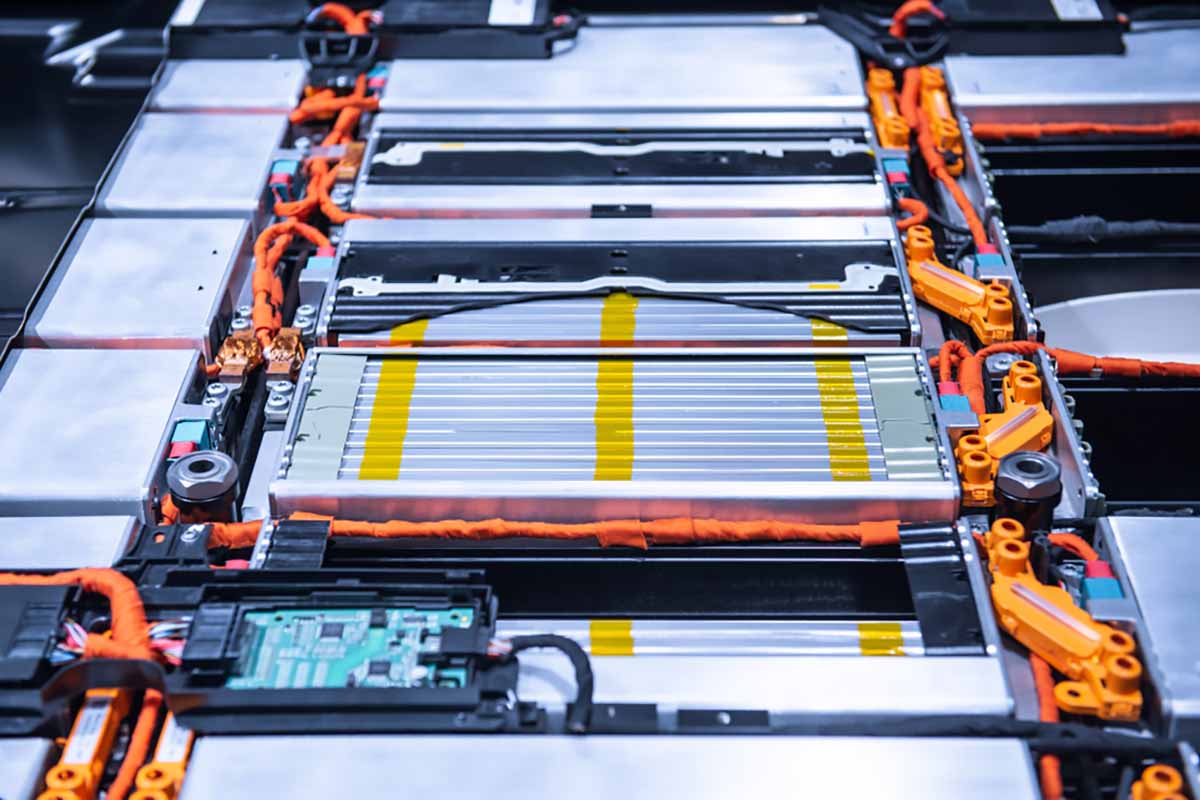
The global EV battery recycling market is surging, according to a new report from Grand View Research, but that rate of growth will be dwarfed by anticipated demand in the years to come.
The report found the global market has reached $1.4 billion this year, up from $1 billion a year ago. Demand is expected to grow an average 45% per year through 2033, reaching $19 billion.San Francisco-based Grand View said an expected surge in end-of-life batteries is expected in the coming years. That’s because, according to data from the International Energy Agency, EV sales have grown from around 3.2 million units in 2020 to 21 million units this year, creating more product on the market. Batteries last an average of 5-15 years, meaning some of the batteries in products sold this decade are already pegged for retirement.
The number of EVs on the road is expected to more than double in the next decade, to 49 million. That leads to more demand for batteries and the minerals within them, which in turn has ramped up investment in recovery operations. Swedish company Stena Recycling, for example, has invested more than $51 million in recent years to bolster its ability to retrieve cobalt, lithium and other minerals from EV batteries.
“Industry participants are increasingly investing in advanced recycling technologies capable of maximizing recovery rates while reducing environmental impact,” the authors wrote. “These developments are expected to improve the economic viability of recycling operations and strengthen supply chain resilience across the battery ecosystem.”
Legislation is also forcing the issue. Colorado became the first state to mandate EV battery recycling this month, banning disposal and implementing mineral-recovery targets over the next few years. California is considering similar legislation.
The biggest growth has been seen in the Asia Pacific region, which now accounts for about 43% of the total EV battery recycling revenue. That’s particularly due to growing demand in China and India, as well as heavy investment across the region in battery manufacturing and recycling infrastructure. Their work has primarily involved lithium-ion batteries, which now account for 60% of the total revenue generated by the market. The authors said their high energy density, chemical stability and performance characteristics make them a preferred choice.
Yet these and other EV batteries only make up around a quarter of the total market. About 73% of last year’s total recycling revenue came from production scrap created during manufacturing and resulting from batteries that failed quality control. Many of the batteries that get recycled come from laptops and home appliances. The authors said many would-be recyclers store or hoard EV batteries, reuse them elsewhere or otherwise dispose of them, stagnating growth in that segment.
The authors found nearly 81% of all EV batteries are going into passenger cars, which are the dominant vehicle segment. Government incentives and emissions reduction targets continue to drive demand. But China, for one, has increased its reliance upon electric buses, deploying more than 680,000 onto the nation’s roads (30% of the country’s total fleet).
“As the global transportation sector continues its transition toward electrification, battery recycling is expected to play an increasingly important role in securing raw material supplies, reducing environmental impact and improving resource efficiency,” the authors wrote.