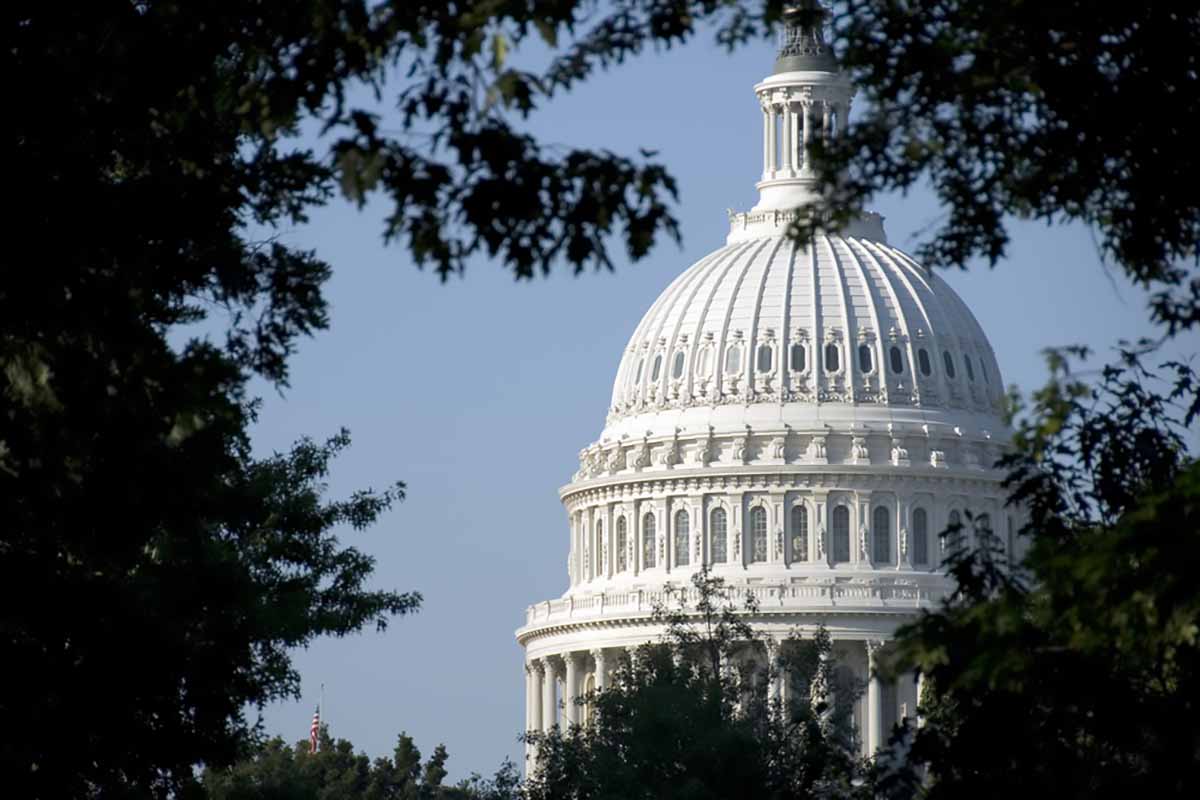
Congressional votes earlier this month advanced three bills that would expand the nation’s critical mineral recycling capabilities.
A subcommittee within the House Committee on Energy and Commerce voted to put the bills before the full committee for consideration. The bills are:
- The Battery Recycling for America’s Competitive Economy (BRACE) Act would update certain battery recycling permit requirements to lessen pollution controls for lithium-ion batteries. The Resource Conservation and Recovery Act (RCRA) requires some batteries to be classified as hazardous waste as opposed to universal waste, making them more difficult to store and process. The BRACE Act would disentangle some of the complications resulting from the RCRA.
- The Coordinating and Harnessing America’s Recovery of Minerals (CHARM) Act would direct the Environmental Protection Agency (EPA) to coordinate a national strategy within two years to recover more critical minerals from discarded materials.
- The Environmental Monitoring and Remediation Technology Assessment Initiative (EMRTAI) Act would devote up to $10 million per year in EPA funds to find and recover critical minerals from contaminated sites.
Industry leaders urged Congress during a Capitol Hill hearing last month to pass these and other bills that would strengthen domestic capacity for mineral recovery. China controls most of the world’s mineral processing capacity, they said, so enacting legislation would allow the US to gain more mineral independence.
Minerals such as lithium, cobalt and nickel have applications in fields such as defense and AI. As such, legislators said depending upon foreign sources for these materials could undermine national interests.
Committee members agree the federal government can take action to mitigate the situation.
“End-of-life batteries and scrap metals are largely sent overseas, often to China, for processing,” said Rep. Mariannette Miller-Meeks, R-Iowa. “Our subcommittee has heard testimony … that our own regulatory scheme under the RCRA is contributing to these valuable minerals being sent overseas — and to this missed opportunity to recover critical minerals already present in our country.”
Other legislators encourage more action. Rep. Gary Palmer, R-Alabama, co-sponsor of the CHARM Act, wants to direct the EPA to unearth overlooked sources from which to recover minerals. Retrieving them from end-of-life electronics, coal ash and other sources can strengthen the nation’s economy and national security, he said.
Industry groups, including the National Association of Manufacturers (NAM), support the legislation.
“China’s dominance over critical minerals is the result of decades of industrial strategy, and America requires bold and strategic action to reset this dynamic,” NAM wrote in its policy agenda.
The American Critical Minerals Association (ACMA) praised the advancement of both the BRACE and CHARM acts, calling them two important steps to strengthen domestic mineral recovery.
“Both bills represent meaningful steps toward expanding US recycling capacity, reducing import reliance and reinforcing America’s long-term leadership in critical minerals essential to advancing manufacturing, clean energy and national security,” a statement from the ACMA said.
The bills have bipartisan House support; the CHARM Act, for example, was co-sponsored by New York Democrat Paul Tonko. Their status should they reach the Senate is uncertain.