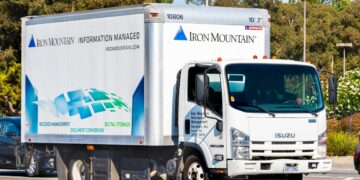




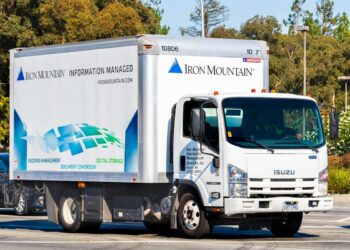
Iron Mountain adds ViaTeK Solutions to ITAD business
The Florida-based company brings three US processing locations to Iron Mountain’s expanding asset lifecycle management operations.


The Florida-based company brings three US processing locations to Iron Mountain’s expanding asset lifecycle management operations.

Wearable technology is a fast-growing sector, but is the asset disposition industry ready to handle it?
Here’s a look at M&A activity in the ITAD and electronics recycling spaces.
The company’s 2025 Sustainability Report offers a useful look at how a technology lifecycle services provider sees its business changing.
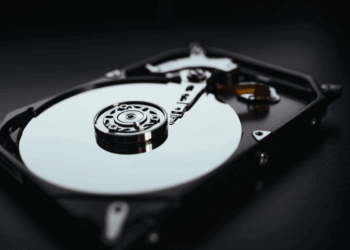
Rare-earth recycling economics depend on several factors, and there is no single price or date that makes the process pencil out.

Fires continue to be a major threat to the recycling industry, even as states explore new policy solutions.
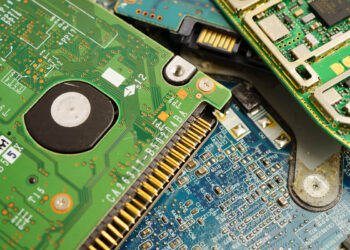
As the US invests in critical-minerals capacity will facilities have enough material to process?
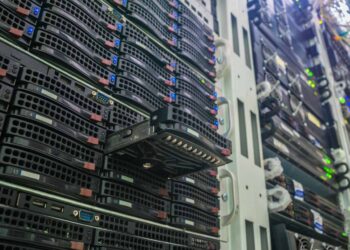
AI, colocation and edge computing complicate data-center decommissioning.

Large enterprises are still refreshing their PC fleets, but the broader market is becoming less dependable as a source of physical units.
As HP drops entry-level PCs, bulk device volume for ITAD declines.