





Illinois is rolling out an expanded battery stewardship program as waste and recycling operators across North America continue grappling with a sharp rise in lithium-ion battery fires tied to consumer products such as e-bikes, scooters, power tools and vaping devices.
Recent data by Fire Rover revealed that fires at recycling and waste facilities reached 448 incidents in 2025, causing more than $2.5 billion in damage across the US and Canada. January and February 2026 alone saw 56 publicly reported fires, including the highest February total since tracking began in 2016.
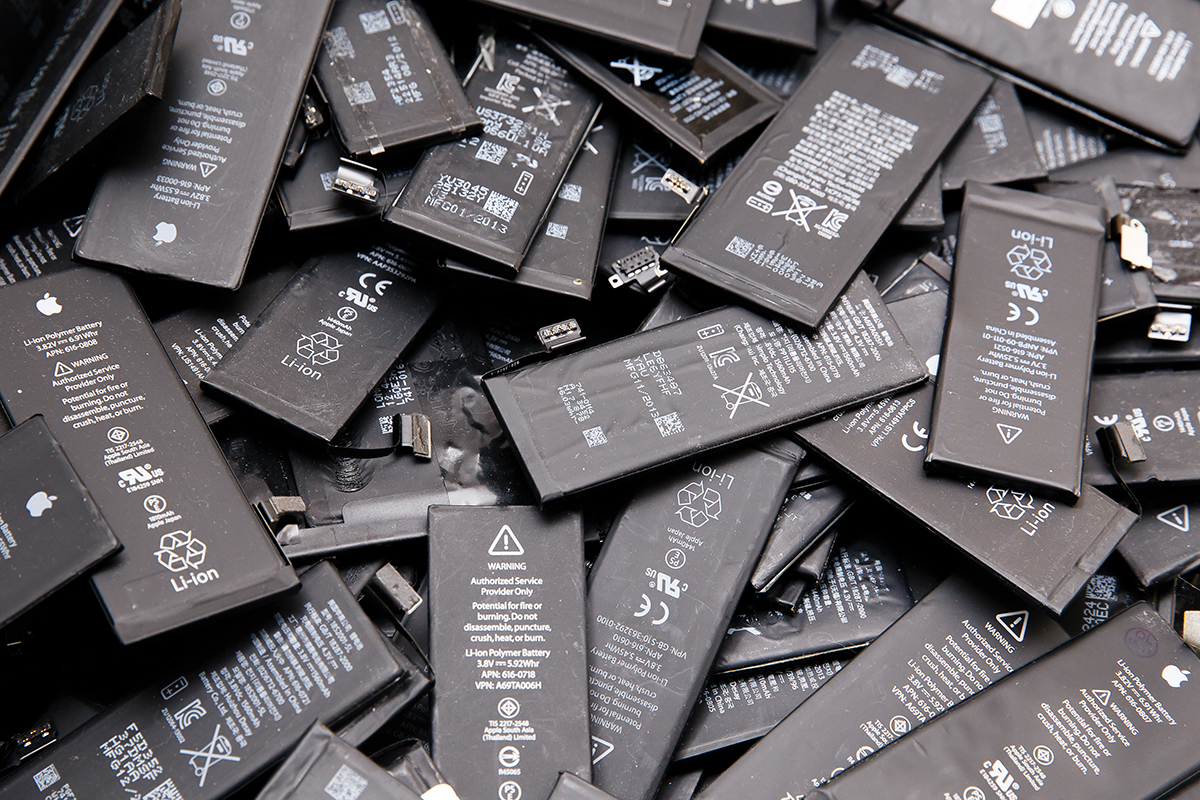
Federal and state regulators increasingly point to improperly discarded lithium-ion batteries as a major source of fires in garbage trucks, transfer stations and material recovery facilities. As electrified consumer products proliferate, waste operators are dealing with a new generation of batteries that contain significantly more stored energy than traditional household batteries.
With that in mind, Illinois’ Portable and Medium-Format Battery Stewardship Act officially took effect Jan. 1, requiring producers selling covered batteries in the state to participate in and fund a statewide recycling system.
The law significantly expands the scope of battery recycling programs by covering not only traditional household batteries, but also medium-format batteries used in products such as e-bikes, e-scooters, electric lawn mowers, snow blowers and power tools. The legislation applies to batteries weighing between 4.4 and 25 pounds or up to 2,000 watt-hours.
Those larger batteries pose unique operational challenges because many collection systems were originally designed around smaller alkaline and rechargeable household batteries, not high-energy packs capable of triggering thermal runaway events. Unlike traditional batteries, damaged lithium-ion packs can reignite hours or even days after appearing extinguished, creating additional safety concerns for collection crews and facility operators.
“Proper battery recycling protects communities, workers, and the environment,” Leo Raudys, CEO of The Battery Network, said in announcing the program rollout. “Thanks to our statewide network of convenient drop-off locations, Illinois residents can now recycle safely and easily, keeping batteries out of landfills and helping to conserve valuable materials for the future.”
The Battery Network, formerly known as Call2Recycle, is the Illinois EPA-approved stewardship organization administering the program. Under the law, producers must join or establish stewardship organizations responsible for collection, transportation and recycling.
The legislation also shifts collection and processing costs away from municipalities and onto manufacturers through an extended producer responsibility framework. Illinois is now the 16th state to adopt a battery stewardship law.
Illinois communities have already experienced battery-related fires tied to improper disposal.
For example, a lithium-ion battery was suspected in a fire involving a garbage truck and recycling center in Lake Forest late last year, one of at least three battery-related fires local firefighters had responded to in recent months.
State agencies and municipalities across Illinois have since intensified public education campaigns warning residents not to place batteries in curbside recycling or trash bins because of ignition risks.
The Illinois Sustainable Technology Center warned residents earlier this year that batteries can become “fire or explosion hazards in waste collection vehicles or waste processing facilities.”
Similarly, City of Peoria Public Works reminded residents in February that batteries should never be placed in garbage or curbside recycling bins because they can ignite fires in trucks and recycling facilities.
Illinois EPA guidance also warns that batteries “may present safety concerns to workers, such as fires at solid waste handling facilities.”
The state’s stewardship program is intended not only to reduce fires, but also to improve recovery of valuable materials and keep hazardous waste out of landfills. Lithium-ion batteries contain recoverable metals including cobalt, nickel, copper and lithium, materials increasingly important to domestic manufacturing and battery supply chains.
“Battery recycling programs support responsible materials management for our residents and strengthen recycling infrastructure across Illinois,” James Jennings, Illinois’ EPA director, said in the rollout announcement. “We are encouraged to see early adoption of the program, which shows Illinois households and businesses are seeking expanded recycling options.”
The state-approved stewardship plan also outlines goals for expanding public awareness and increasing the number of collection sites over the next several years.
The Battery Network noted the Illinois program includes a growing statewide collection network involving retailers, municipalities and community organizations. Retailers including Lowe’s, Home Depot and Staples are participating as drop-off locations in some communities.
While small alkaline batteries have long been part of household waste streams, the rapid growth of rechargeable mobility devices and cordless outdoor equipment has introduced heavier, more volatile batteries into residential collection systems. The trend is likely to accelerate as consumers continue adopting battery-powered alternatives to gas-powered products.
Illinois hopes to become an early model for how states manage the next generation of consumer battery waste as electrified products continue rapidly entering homes, garages and municipal waste streams, and increasing pressure on recyclers and municipalities to expand safe collection systems before more fires occur.