




Resource Recycling
  • The Latest
  • Podcast
  • Analysis
    • All
    • Certification Scorecard
    • Industry Announcements
    • Opinion

    Safe disposal of household hazardous waste

    E-scrap feedstock competition mixed amid investments

    Open pit copper mine in Arizona.

    Trump touts aggressive US critical mineral goals

    From claims to custody: PCR procurement grows up

    Certification scorecard — week of Nov. 16

    Adam Gendell

    PET producers ride ‘local for local’ wave

    May pricing bullish for most bales

    HDPE resists seasonal, economic forces

  • Conferences
    • Resource Recycling Conference
    • Plastics Recycling Conference
    • E-Scrap: The Longevity Conference
    • Textiles Recovery Summit
  • Publications
    • E-Scrap News
    • Plastics Recycling Update
    • Policy Now
    • Resource Recycling
    • Other Topics
      • All Topics
      • Brand Owners
      • Critical Minerals
      • Glass
      • Grant Watch / RFPs
      • Markets
      • Organics
      • Packaging
      • Research
      • Technology
      • Textiles
Subscribe
No Result
View All Result
Resource Recycling
No Result
View All Result
Home Plastics

Plastic bags continue to complicate curbside recycling

Dan LeifbyDan Leif
May 6, 2020
in Plastics
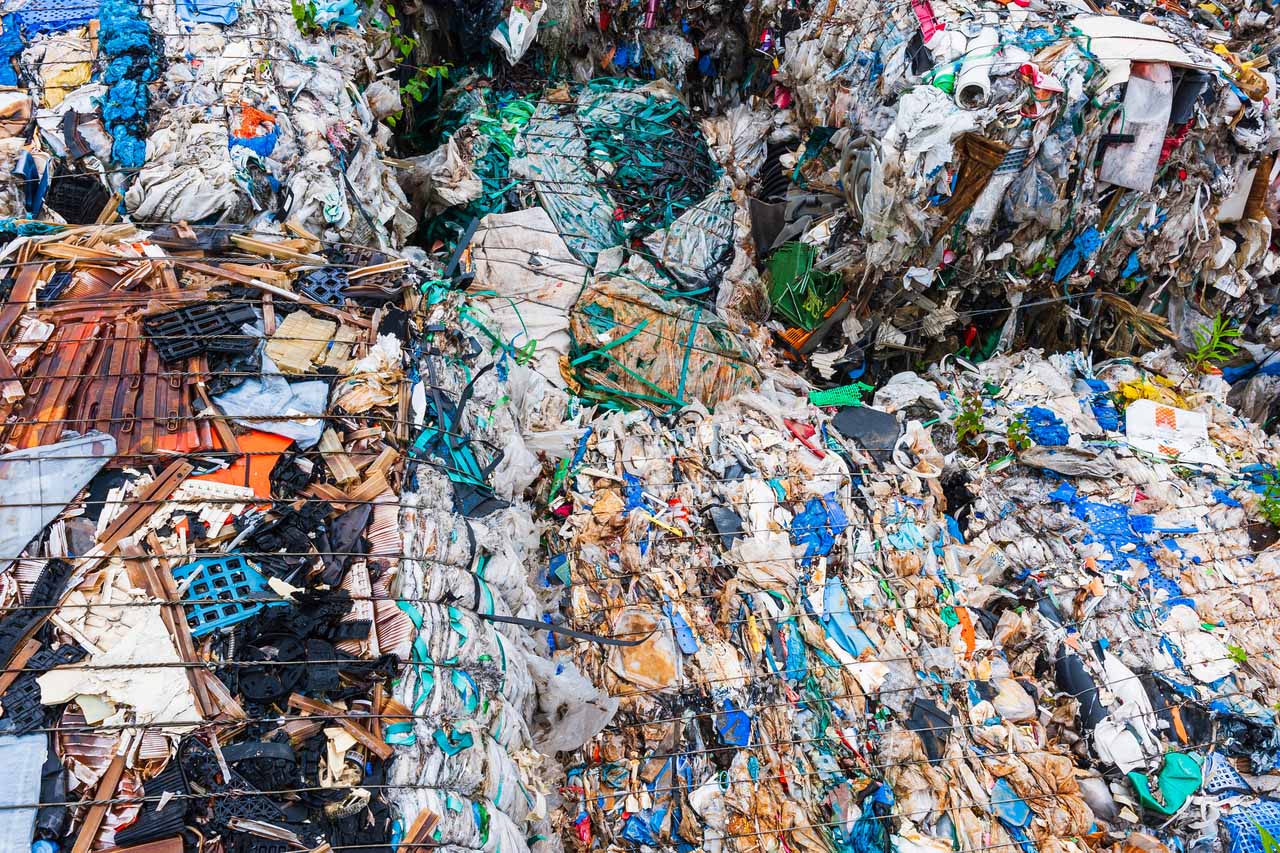
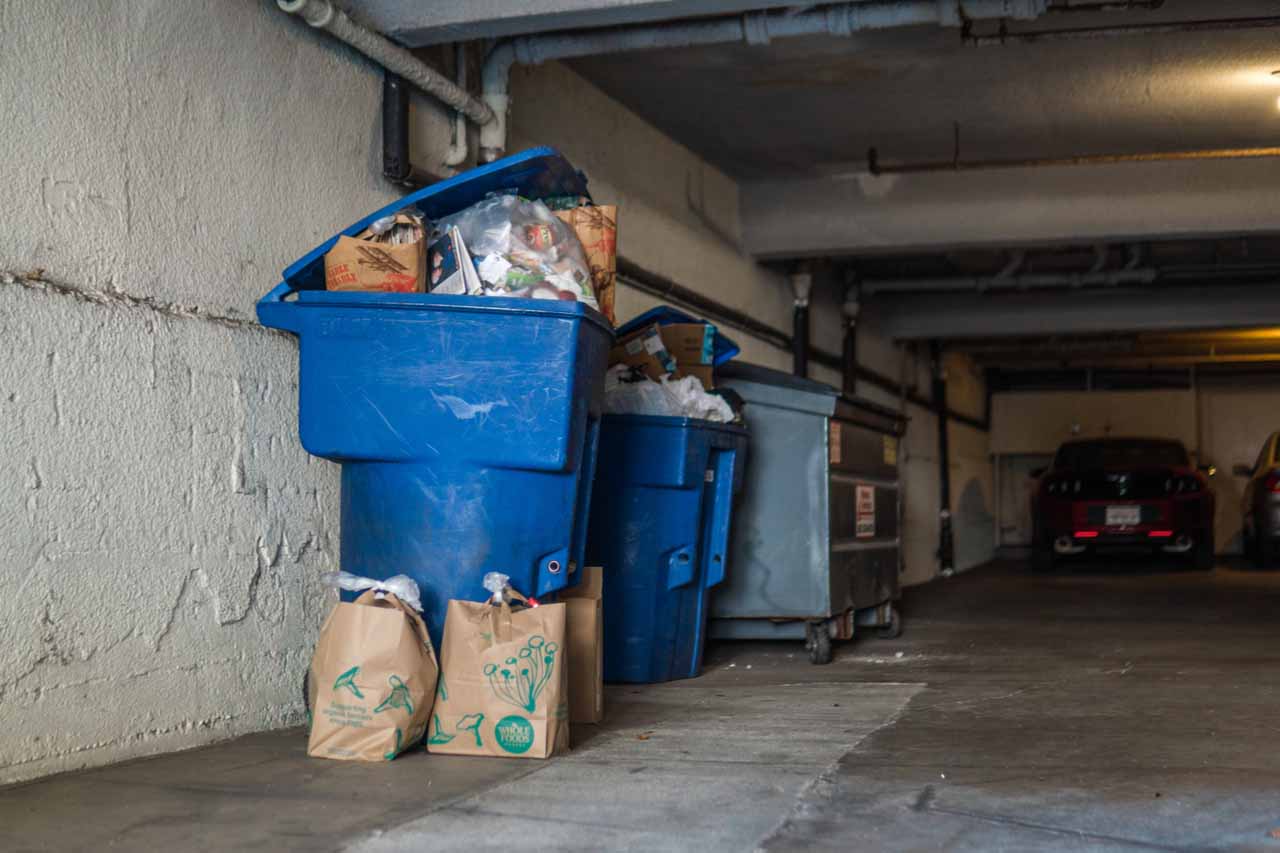
California cities of 50,000 residents or more are seeing inbound contamination rates between 8% and 46%, with an average of 20%. | Oksana Shturo/Shutterstock

Plastic film has long been identified as a major contaminant in municipal materials recovery programs. Research from the West Coast shows just how challenging it has been to educate residents around proper bag behavior.

According to a study released by The Recycling Partnership this week, a large chunk of residents in California, Oregon and Washington that participated in a recycling survey said they put plastic bags in their curbside collection carts. The majority of curbside programs, however, don’t list plastic film as an accepted material.

Across the region, more than 25% of respondents said they discard plastic film in curbside recycling. And the practice is even more pronounced in certain areas, according to The Recycling Partnership.

“Based on surveys focused in Southern California, we found that the majority of residents think plastic bags are accepted in their curbside recycling program, regardless of whether plastic bags are actually accepted by their program,” the report states.

The data comes from a wider West Coast-focused contamination research initiative undertaken by The Recycling Partnership, an organization that is backed by corporate stakeholders and is geared toward improving municipal recycling in the U.S.

The group undertook the project in 2019 to better understand material quality in communities of 50,000 people or more in California, Oregon and Washington.

The organization compiled available program data; surveyed local officials, haulers, processors and residents; and conducted interviews and focus groups. The findings were released May 4.

Given that the focus was contamination, it’s hardly surprising that plastic bags featured prominently in the findings. Film, though recyclable, is not accepted in most curbside collection efforts because the material wraps around machinery at materials recovery facilities (MRFs), causing significant downtime and increasing risks of worker injury.

As part of its research, The Recycling Partnership asked city officials and MRF operators to list what they considered the most problematic contaminants in the curbside stream. In each of the three states, both cities and MRFs put plastic bags near the top of their contaminant lists, alongside items such as needles and lithium-ion batteries.

But The Recycling Partnership also noted that its interaction with residents showed the issue can be effectively addressed.

“These well-intentioned participants said that just finding out that plastic bags cannot be placed in the recycling cart was motivation enough to change their behavior,” the group wrote in the report.

Overall recycling contamination around 20%

Looking at the contamination issue more broadly, the research found that 89% of residents in larger West Coast municipalities find it easy to participate in materials diversion and that, by and large, residents “want to recycle, recycle everything they can, and recycle the correct way.”

However, according to the report, California cities of 50,000 residents or more are seeing inbound contamination rates between 8% and 46%, with an average of 20%. In Oregon and Washington, cities reported contamination rates averaging 11%.

While those data points come from reporting and calculation mechanisms in place in different communities, which The Recycling Partnership notes are often lacking in consistency, the report does provide details on one particularly rigorous material audit in the Portland, Ore. region.

Field sampling of the curbside, single-stream recycling system in and around Portland determined the area had a 22% contamination rate.

That study, which also assessed recyclable material that ended up in the trash stream, showed the average household generated 594 pounds of recyclable material per year. Of that weight, 418 pounds per household went into curbside recycling, 132 pounds went into garbage and 44 pounds were collected through the state container deposit program.

The Recycling Partnership recommended more communities make efforts to dig deeper into their waste numbers.

“Cities and counties that can isolate curbside tonnage from other recycling streams and track contamination over time can see trends in their program’s efficiency,” the organization states in the contamination report. “This data can then be used to focus their education and outreach efforts, allowing the local program to make the education effort actionable and make the most out of the available resources.”

A version of this story appeared in Resource Recycling on May 5.

Subscribe to Plastics Recycling Update Technology Edition

Tags: Film & FlexiblesIndustry GroupsResearch
TweetShare
Dan Leif

Dan Leif

Dan Leif is the managing editor at Resource Recycling, Inc., which publishes Resource Recycling, Plastics Recycling Update and E-Scrap News. He has been with the company since 2013 and has edited different trade publications since 2006. He can be contacted at dan@resource-recycling.com.

Related Stories

Nordic cooperative brings waterborne e-scrap back to use

Nordic cooperative brings waterborne e-scrap back to use

byPaul Lane
November 23, 2026

When trying to demonstrate the value of reusing electronics, Danish retailer Elgiganten decided to take the biggest swing possible in...

Flexible film recycling presents promise, challenges

byPaul Lane
November 20, 2026

The US Flexible Film Initiative heard from players across the supply chain on what more needs to be done to...

The AI tsunami

The AI tsunami

byJim Puckett
November 19, 2026

AI data centers and the devices they make obsolete could generate 8.6 to 13.1 million metric tons of e-waste a...

Thrift’s seat at the textile EPR table

byStefanie Valentic
November 19, 2026

Under California’s textile EPR law, every Goodwill in the state counts as a producer, even when new goods are under...

A call to action: End markets and EPR

Recycling policy moves toward implementation

byAntoinette Smith
November 19, 2026

US EPR programs for packaging are starting up amid legal and operational uncertainty, said APR's Kate Bailey during a recent...

RecyClass hits 500 EU recyclability evals

EU PET import codes set to begin

byAntoinette Smith
November 18, 2026

The new codes for PET flake will take effect in January, but the global impact remains to be seen, according...

Load More
Next Post
Feds to fund scrap plastic liquefaction tech

Feds to fund scrap plastic liquefaction tech

2026 Buyers’ Guide

Equipment, services and technology suppliers serving the recycling industry.

Browse the Guide

More Posts

Closeup of PP with a chasing arrows recycling symbol.

PureCycle, WM sign rare 3-year bales contract

November 16, 2026
Solarcycle, Korea Zinc merge in critical mineral venture

Solarcycle, Korea Zinc merge in critical mineral venture

November 18, 2026

E-scrap feedstock competition mixed amid investments

November 19, 2026

Flexible film recycling presents promise, challenges

November 20, 2026
Open pit copper mine in Arizona.

Trump touts aggressive US critical mineral goals

November 19, 2026
RecyClass hits 500 EU recyclability evals

EU PET import codes set to begin

November 18, 2026

Thrift’s seat at the textile EPR table

November 19, 2026

Goodwill eyes EPR revenue, starting with waste audit

November 12, 2026
A call to action: End markets and EPR

Recycling policy moves toward implementation

November 19, 2026
Clarios-Ecobat deal consolidates battery plants

Clarios-Ecobat deal consolidates battery plants

November 20, 2026
Load More

About & Publications

About Us

Staff
Job Listings

Archive

Magazines

Work With Us

Advertise
Contact
Terms and Privacy

Newsletters

Get the latest recycling news and analysis delivered to your inbox every week. Stay ahead on industry trends, policy updates, and insights from programs, processors, and innovators.

Subscribe

Welcome Back!

Login to your account below

Forgotten Password?

Retrieve your password

Please enter your username or email address to reset your password.

Log In

Add New Playlist

No Result
View All Result
  • The Latest
  • Podcast
  • Analysis
  • Recycling
  • E-Scrap
  • Plastics
  • Policy Now
  • Conferences
    • E-Scrap Conference
    • Plastics Recycling Conference
    • Resource Recycling Conference
    • Textiles Recovery Summit
  • Magazines – Old
  • About Us
  • Advertise
  • Archive
  • Job Listings
  • Staff
Subscribe
This website uses cookies. By continuing to use this website you are giving consent to cookies being used. Visit our Privacy and Cookie Policy.