




Resource Recycling
  • The Latest
  • Analysis
    • All
    • Certification Scorecard
    • Industry Announcements
    • Opinion
    Industry announcements for January 2026

    Industry announcements for May 2026

    Apple store

    Apple leads on inputs, faces questions on ITAD

    Unlocking the power of source reduction in US EPR

    Unlocking the power of source reduction in US EPR

    Following petition, Microsoft extends Windows 10 support

    Windows AI Recall is pushing data destruction upstream

    Certification Scorecard — Week of April 27, 2026

    Five trends shaping PCR packaging to 2031

  • Conferences
    • Resource Recycling Conference
    • Plastics Recycling Conference
    • E-Scrap: The Longevity Conference
    • Textiles Recovery Summit
  • Publications
    • E-Scrap News
    • Plastics Recycling Update
    • Policy Now
    • Resource Recycling
    • Other Topics
      • Brand Owners
      • Critical Minerals
      • Glass
      • Grant Watch
      • Markets
      • Organics
      • Packaging
      • Research
      • Technology
      • Textiles
      • All Topics
Subscribe
No Result
View All Result
Resource Recycling
  • The Latest
  • Analysis
    • All
    • Certification Scorecard
    • Industry Announcements
    • Opinion
    Industry announcements for January 2026

    Industry announcements for May 2026

    Apple store

    Apple leads on inputs, faces questions on ITAD

    Unlocking the power of source reduction in US EPR

    Unlocking the power of source reduction in US EPR

    Following petition, Microsoft extends Windows 10 support

    Windows AI Recall is pushing data destruction upstream

    Certification Scorecard — Week of April 27, 2026

    Five trends shaping PCR packaging to 2031

  • Conferences
    • Resource Recycling Conference
    • Plastics Recycling Conference
    • E-Scrap: The Longevity Conference
    • Textiles Recovery Summit
  • Publications
    • E-Scrap News
    • Plastics Recycling Update
    • Policy Now
    • Resource Recycling
    • Other Topics
      • Brand Owners
      • Critical Minerals
      • Glass
      • Grant Watch
      • Markets
      • Organics
      • Packaging
      • Research
      • Technology
      • Textiles
      • All Topics
Subscribe
No Result
View All Result
Resource Recycling
No Result
View All Result
Home Plastics

Plastic bags continue to complicate curbside recycling

Dan LeifbyDan Leif
May 6, 2020
in Plastics
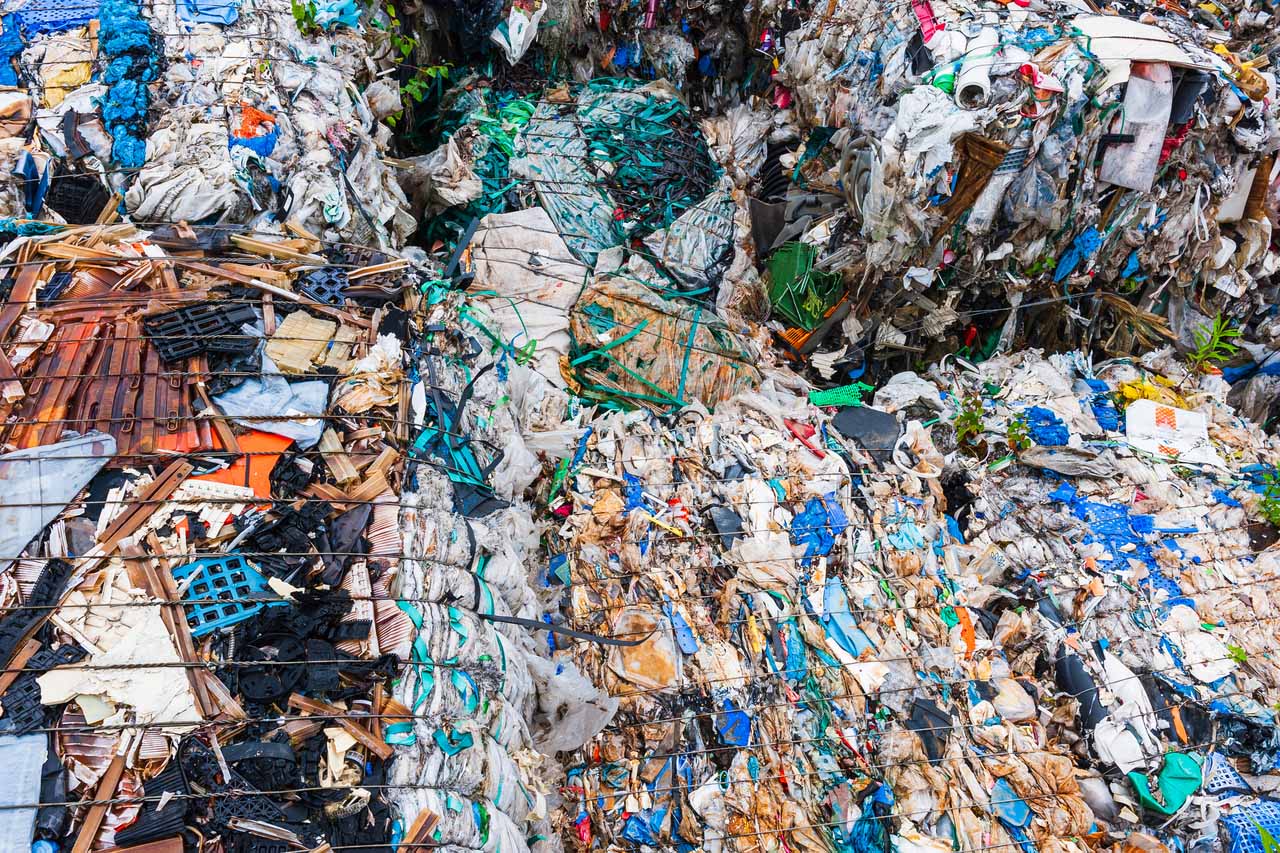
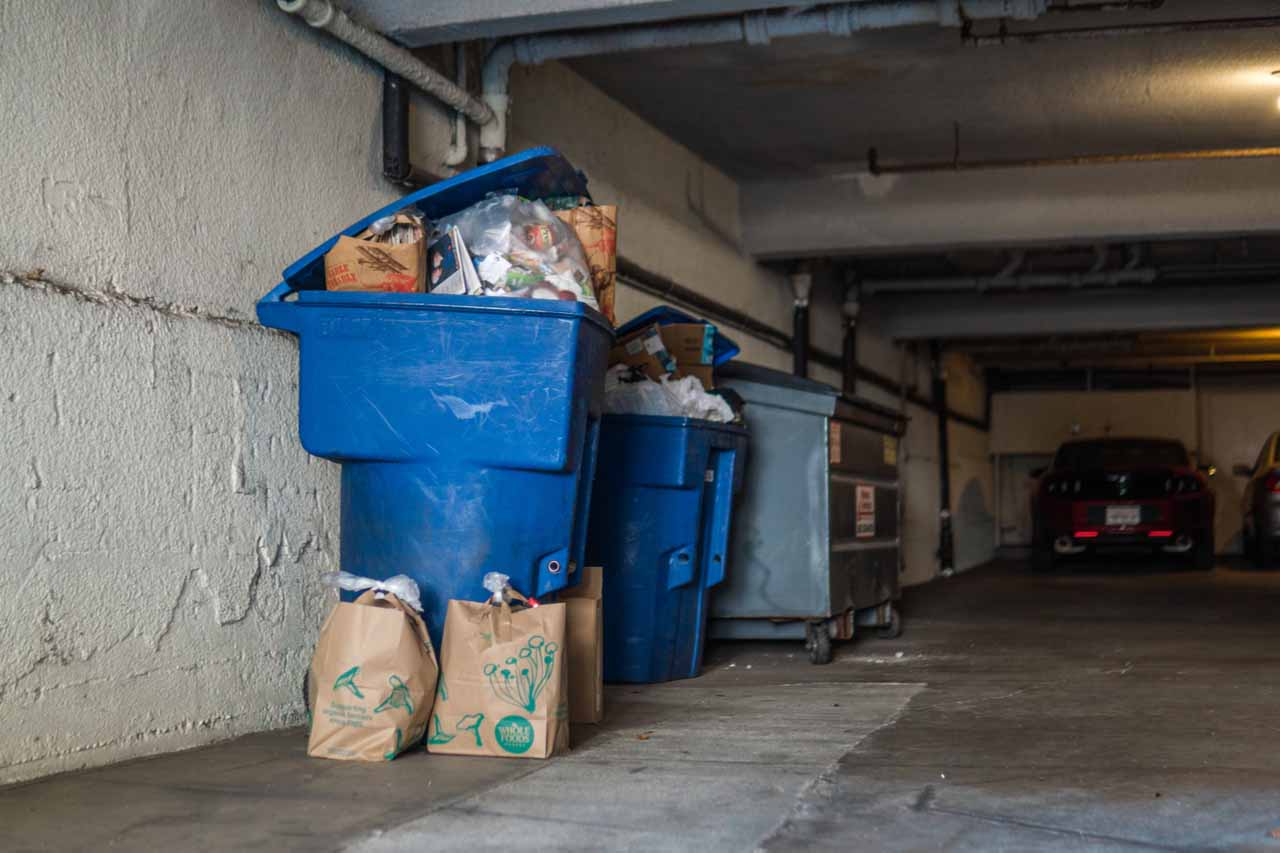
California cities of 50,000 residents or more are seeing inbound contamination rates between 8% and 46%, with an average of 20%. | Oksana Shturo/Shutterstock

Plastic film has long been identified as a major contaminant in municipal materials recovery programs. Research from the West Coast shows just how challenging it has been to educate residents around proper bag behavior.

According to a study released by The Recycling Partnership this week, a large chunk of residents in California, Oregon and Washington that participated in a recycling survey said they put plastic bags in their curbside collection carts. The majority of curbside programs, however, don’t list plastic film as an accepted material.

Across the region, more than 25% of respondents said they discard plastic film in curbside recycling. And the practice is even more pronounced in certain areas, according to The Recycling Partnership.

“Based on surveys focused in Southern California, we found that the majority of residents think plastic bags are accepted in their curbside recycling program, regardless of whether plastic bags are actually accepted by their program,” the report states.

The data comes from a wider West Coast-focused contamination research initiative undertaken by The Recycling Partnership, an organization that is backed by corporate stakeholders and is geared toward improving municipal recycling in the U.S.

The group undertook the project in 2019 to better understand material quality in communities of 50,000 people or more in California, Oregon and Washington.

The organization compiled available program data; surveyed local officials, haulers, processors and residents; and conducted interviews and focus groups. The findings were released May 4.

Given that the focus was contamination, it’s hardly surprising that plastic bags featured prominently in the findings. Film, though recyclable, is not accepted in most curbside collection efforts because the material wraps around machinery at materials recovery facilities (MRFs), causing significant downtime and increasing risks of worker injury.

As part of its research, The Recycling Partnership asked city officials and MRF operators to list what they considered the most problematic contaminants in the curbside stream. In each of the three states, both cities and MRFs put plastic bags near the top of their contaminant lists, alongside items such as needles and lithium-ion batteries.

But The Recycling Partnership also noted that its interaction with residents showed the issue can be effectively addressed.

“These well-intentioned participants said that just finding out that plastic bags cannot be placed in the recycling cart was motivation enough to change their behavior,” the group wrote in the report.

Overall recycling contamination around 20%

Looking at the contamination issue more broadly, the research found that 89% of residents in larger West Coast municipalities find it easy to participate in materials diversion and that, by and large, residents “want to recycle, recycle everything they can, and recycle the correct way.”

However, according to the report, California cities of 50,000 residents or more are seeing inbound contamination rates between 8% and 46%, with an average of 20%. In Oregon and Washington, cities reported contamination rates averaging 11%.

While those data points come from reporting and calculation mechanisms in place in different communities, which The Recycling Partnership notes are often lacking in consistency, the report does provide details on one particularly rigorous material audit in the Portland, Ore. region.

Field sampling of the curbside, single-stream recycling system in and around Portland determined the area had a 22% contamination rate.

That study, which also assessed recyclable material that ended up in the trash stream, showed the average household generated 594 pounds of recyclable material per year. Of that weight, 418 pounds per household went into curbside recycling, 132 pounds went into garbage and 44 pounds were collected through the state container deposit program.

The Recycling Partnership recommended more communities make efforts to dig deeper into their waste numbers.

“Cities and counties that can isolate curbside tonnage from other recycling streams and track contamination over time can see trends in their program’s efficiency,” the organization states in the contamination report. “This data can then be used to focus their education and outreach efforts, allowing the local program to make the education effort actionable and make the most out of the available resources.”

A version of this story appeared in Resource Recycling on May 5.

Subscribe to Plastics Recycling Update Technology Edition

Tags: Film & FlexiblesIndustry GroupsResearch
TweetShare
Dan Leif

Dan Leif

Dan Leif is the managing editor at Resource Recycling, Inc., which publishes Resource Recycling, Plastics Recycling Update and E-Scrap News. He has been with the company since 2013 and has edited different trade publications since 2006. He can be contacted at [email protected].

Related Posts

Lithium-ion battery recycler to build New York facility

Why battery EPR doesn’t have a packaging problem

byStefanie Valentic
May 4, 2026

While packaging EPR fights injunctions, battery EPR has achieved a mostly harmonized legal framework across nearly every state that has...

Electronics are the fire risk battery EPR keeps missing

Electronics are the fire risk battery EPR keeps missing

byStefanie Valentic
May 4, 2026

Pretty much everyone has had a fire at one point or another. That's how Kristyn Oldendorf, senior director of public...

New version of California EPR regulations released

CalRecycle approves SB 54 regulations

byStefanie Valentic
May 2, 2026

CalRecycle approved permanent regulations under SB 54, the state's landmark packaging EPR law. The rules took effect immediately upon filing...

Five trends shaping PCR packaging to 2031

bySmithers editorial
April 29, 2026

Growing steadily but falling short of legislative demands, the global market for PCR plastic packaging is at a crossroads.

Women in Circularity: Connie Lilley

Women in Circularity: Connie Lilley

byMaryEllen Etienne
April 28, 2026

In this series, we spotlight women moving us toward a circular economy. Today, we meet Connie Lilley of We ReUse.

What Netflix’s ‘Plastic Detox’ gets wrong – and right

byKeith Loria
April 23, 2026

Advocates are excited about the attention brought on plastics by the documentary, but scientists say more nuance is needed.

Load More
Next Post
Feds to fund scrap plastic liquefaction tech

Feds to fund scrap plastic liquefaction tech

More Posts

New version of California EPR regulations released

CalRecycle approves SB 54 regulations

May 2, 2026

What Netflix’s ‘Plastic Detox’ gets wrong – and right

April 23, 2026
Plastic Ingenuity to use PureCycle PP for coffee lids

Plastic Ingenuity to use PureCycle PP for coffee lids

April 30, 2026
Intel sign on company building with blue sky and trees.

Intel boosts margins by selling what it used to scrap

April 29, 2026
EPR fees are a market signal. Here’s what they’re telling you.

Oregon DEQ flags 250 producers for RMA noncompliance

April 21, 2026
Unlocking the power of source reduction in US EPR

Unlocking the power of source reduction in US EPR

May 1, 2026
Our top stories from April 2022

Peters-Michaud named CEO, Houghton chair of Sage Sustainable Electronics

April 28, 2026
Float-sink technology at the Quantum Lifecycle Partners facility in Toronto, Canada enables the processing of e-plastics.

E-plastics recovery line opens in Canada

April 28, 2026
Birch Plastics gets FDA green-light for post-industrial PP

LyondellBasell upgrade to PreZero assets on hold

April 23, 2026
Study quantifies lithium battery threat to infrastructure

Battery fires remain elevated in early 2026: report

May 1, 2026
Load More

About & Publications

About Us

Staff

Archive

Magazine

Work With Us

Advertise
Jobs
Contact
Terms and Privacy

Newsletter

Get the latest recycling news and analysis delivered to your inbox every week. Stay ahead on industry trends, policy updates, and insights from programs, processors, and innovators.

Subscribe

Welcome Back!

Login to your account below

Forgotten Password?

Retrieve your password

Please enter your username or email address to reset your password.

Log In

Add New Playlist

No Result
View All Result
  • The Latest
  • Analysis
  • Recycling
  • E-Scrap
  • Plastics
  • Policy Now
  • Conferences
    • E-Scrap Conference
    • Plastics Recycling Conference
    • Resource Recycling Conference
    • Textiles Recovery Summit
  • Magazine
  • About Us
  • Advertise
  • Archive
  • Jobs
  • Staff
Subscribe
This website uses cookies. By continuing to use this website you are giving consent to cookies being used. Visit our Privacy and Cookie Policy.