




Electronics recycling legislation evolves with devices
Wisconsin adds wearables, Oregon moves to a PRO model and Illinois and Hawaii broaden scope as states retool electronics EPR programs built for CRTs.


Wisconsin adds wearables, Oregon moves to a PRO model and Illinois and Hawaii broaden scope as states retool electronics EPR programs built for CRTs.

CalRecycle has logged 64,000 product line items and collected more than it expected. Recyclers say the smallest devices still don't pay.
With no federal rule in sight, New Jersey, Washington, North Carolina and Texas are each taking a different approach to who pays for end-of-life solar panels.
CTA wants states to trade collection targets for convenience standards and pay local collectors. State regulators welcomed the shift but say rural service remains a challenge.

The timeline for the multi-million dollar MRF project aligns with the rollout of Maryland's EPR law.

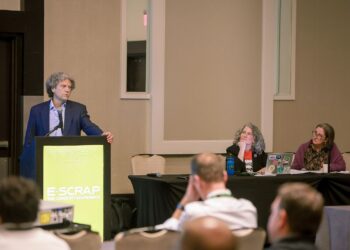
New Jersey doesn't collect cell phones. California tracks 64,000 battery-embedded devices. State and federal officials at the E-Scrap Conference said aligning EPR laws is unlikely, but aligning what they cover would help.
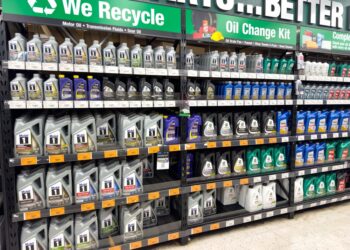
The Auto Care Association says the state requires auto parts sellers to pay both CAA and Interchange 360 for the same product.

NAW is asking a federal court to pause Oregon’s packaging EPR law for its members until the Ninth Circuit rules, because CAA invoices are due in January, months before the appeal is likely to be heard.

Republic Services’ new 45-ton-per-hour Bridgeton MRF is slated to open in 2028, as St. Louis is still deciding how its residents will recycle.
Chief Strategy Officer Jeff Meyers has been named interim CEO as CAA prepares for its transition.