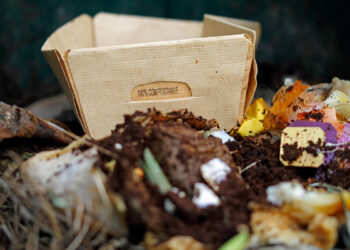



The government in Lane County, Oregon was looking to create a more sustainable waste management system for their community, and after researching the best options, concluded that organics represented one of the largest untapped opportunities to reduce landfill use while cutting greenhouse gas emissions.
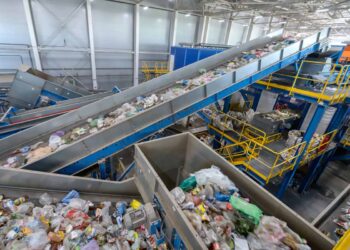
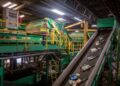
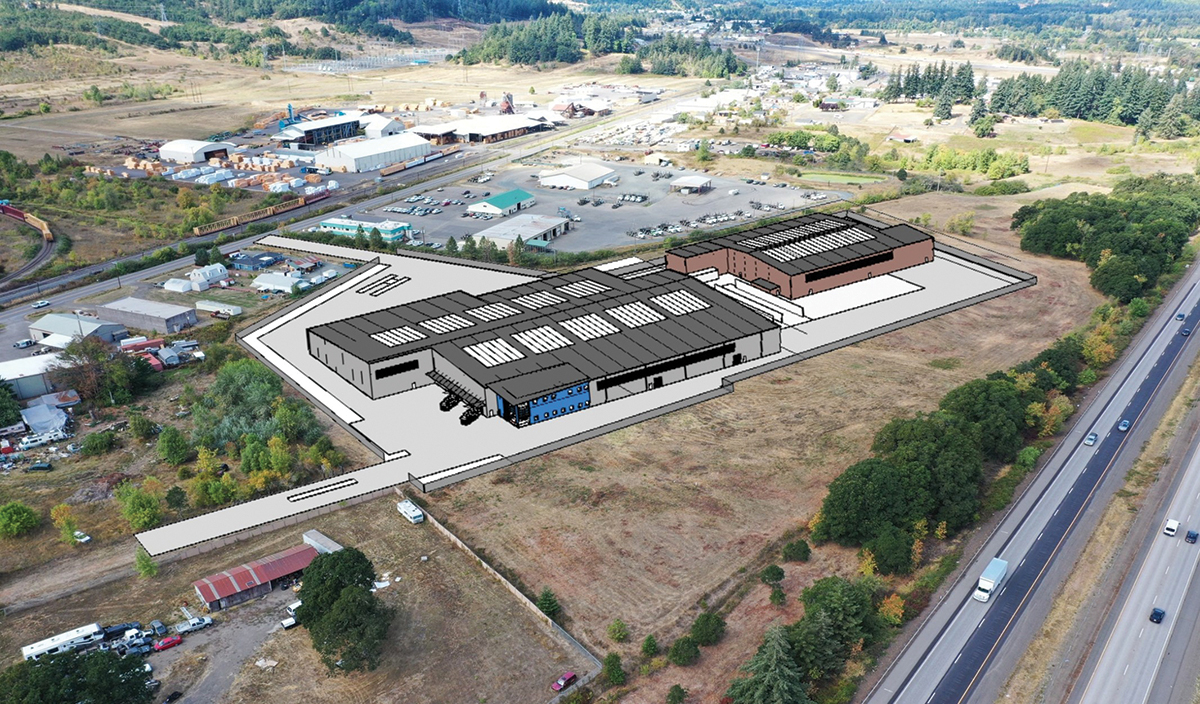
That realization ultimately led to CleanLane, an ambitious materials recovery facility that will combine advanced recycling, anaerobic digestion and renewable natural gas production under one roof.
Although construction hasn’t begun, once operational, the facility is expected to divert roughly 80,000 tons of organic waste annually from the Short Mountain Landfill while extending the landfill’s useful life by as much as two decades.
Jeff Orlandini, division manager of the Waste Management Division at Lane County Public Works, noted the goals of the project are to significantly reduce greenhouse gas emissions from the landfill; divert recyclable materials from waste that would otherwise be landfilled; create local, sustainable economic development and jobs; use proven recycling processing systems; leverage public-private partnerships; and construct and operate at an affordable cost to the ratepayer.
“The Division completed its revised Waste Management Planning document in 2018,” he said. “That document identified reducing the amount of organics entering the landfill and vetting a waste processing facility as high priorities.”
Because organics accounted for approximately one-third of the landfill’s waste stream, county officials saw diversion as the most effective way to reach their goal of achieving a 63% recovery rate.
Following a competitive request for proposals, Lane County selected Bulk Handling Systems as its project partner. The project is estimated to cost $150 million and will be shared by the two entities.
“The winning proposal not only removed organics for anaerobic digestion but also included a recycling side of the operation,” Orlandini said. “That integrated approach helped us meet our recovery goals.”
Rather than developing separate facilities for organics processing and recycling, CleanLane brings both together, creating a system designed to maximize material recovery while generating renewable natural gas from food scraps and other organic materials.
In early June, County Commissioner Pat Farr expressed his continued passion for the project and shared talks were still going on to decide if the CleanLane project will be built at Goshen or the county’s Short Mountain Landfill.
“The majority of the Board of County Commissioners is reaffirming the county’s continued commitment to the CleanLane project, including pursuing final land use approval for the Goshen site,” Farr said at the time. “Additionally, the county reaffirms its desire to potentially shift the project site from Goshen to Short Mountain.”
A big benefit of the project is once operational, changes for waste haulers will be minimal.
“For the private haulers, they would simply dump at the new facility as opposed to the landfill,” Orlandini said. “The new facility is planned to be located either at the landfill or just down the road so haul distances won’t increase.”
Climate considerations also played a significant role throughout the planning process.
“Climate goals were a factor in planning decisions because the landfill is a large contributor to greenhouse gas emissions,” Orlandini said.
From planning to implementation
One unexpected hurdle has involved land-use regulations.
“The fact that the facility is both a waste processing facility and a recycling facility has made land-use approval challenging, as current regulations typically allow one use or the other, but not both,” Orlandini said.
To ensure the environmental benefits are measurable, Lane County continues working closely with the Oregon Department of Environmental Quality while also relying on its own local air quality authority to monitor landfill emissions and comply with both state and federal standards.
The project has also relied heavily on collaboration.
Lane County initially hired outside consultants to help develop the request for proposals, evaluate submissions and negotiate the operating agreement. The result is a public-private partnership in which the county will own the land and buildings while the private operator owns and runs the processing equipment.
Beyond environmental benefits, extending landfill life remains one of the project’s biggest long-term advantages.
“Extending the life of the landfill is always a key consideration in how we manage the waste stream,” Orlandini said. “The winning proposer had the highest level of recovery and therefore will increase the life of the landfill by 15 to 20 years.”
Looking ahead, Orlandini believes CleanLane represents more than a new processing facility. He hopes it will help reshape how residents think about discarded materials.
“I would hope that the community continues to see the value in finding innovative ways to handle the materials they discard,” he said. “As neighboring landfills close, I think our community will realize the benefit of having extended the life of our landfill and how it keeps costs down to have a local option for disposing of waste.”
This story first appeared in the August 2026 issue of Resource Recycling Magazine.