Dow executives made the case for August PE price increases during a Q2 investor call, pointing to planned maintenance and a throttled supply chain, while brushing off rising inventories and subdued demand.
In the second quarter, US virgin PE and PP prices soared against a backdrop of war in Iran, and along with them bale pricing for post-consumer HDPE natural and PP.
However, as demand caught up with the markets, bale prices plummeted, following the trend of virgin resin pricing. North American June PE resin contracts fell by 15 cents/lb, and since April have declined by a cumulative 30 cents. In July, the national average for HDPE natural bales was lower by about 32 cents from the same time period, according to data from RecyclingMarkets.net.
Although Dow’s financial guidance assumes flat PE pricing for the third quarter, a recent rally in crude oil pricing and persistent logistical constraints in the Strait of Hormuz and Red Sea shipping lanes informed a 5 cent nomination for August volumes. And “the dynamics are there for us to get that,” new CEO Karen Carter said during the call.
Dow emphasized that its steam crackers in the Americas continue to provide “an attractive low-cost position” for ethylene feedstock, amid soaring crude oil benchmarks during the quarter.
In April Dow also touted the US PE cost advantage amid the Iran war. Accordingly, PE resin exports for April and May, two of the first months of the war in Iran, show increased volumes on the year: 8% higher for April at 1.27 million metric tons (mt), and 2.6% higher on the year in May, at 1.19 million mt, according to data from the US International Trade Commission. June data will be released in early August.
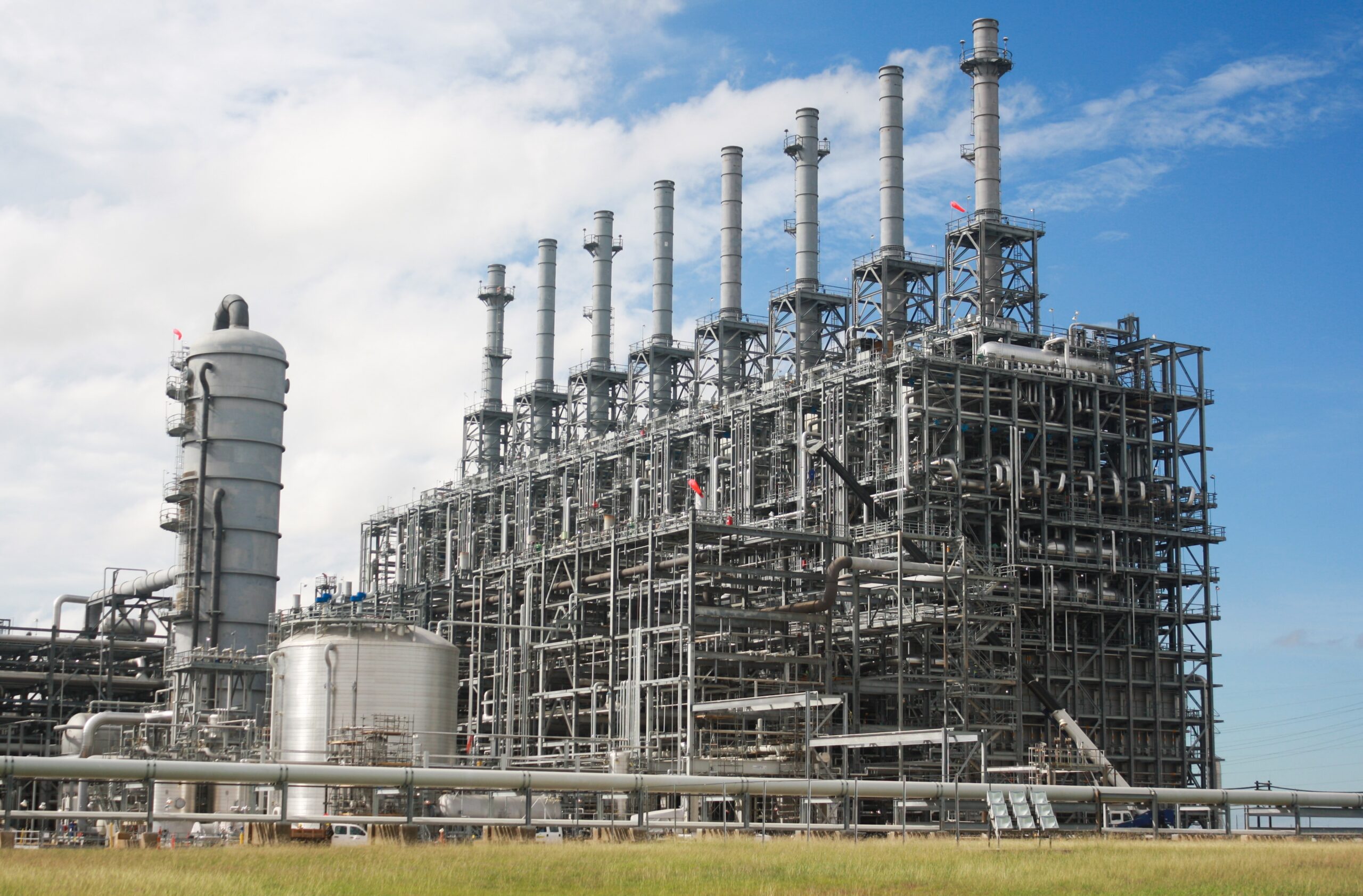
North American PE is produced using ethane, a natural gas liquid, which offers a significant cost advantage compared to crude oil-based naphtha used in most of the rest of the world. Dow started up a new PE unit in 2025 in Freeport, Texas, the latest plant to take advantage of abundant and inexpensive North American shale gas feedstock.
In its July Short-Term Energy Outlook, the US Energy Information Administration (EIA) forecast increasing global oil production through the end of 2026, bringing with it falling prices for crude oil.
However, the report was completed July 1, shortly after the US and Iran signed a memorandum of understanding to end the war and open the Strait of Hormuz. On July 1, the West Texas Intermediate (WTI) crude oil benchmark closed at $68.58/barrel, near pre-conflict levels. On July 23, WTI closed at $92.20/barrel, higher by 34.4% from the day the report was completed, and at a two-month high, amid the escalating conflict and an attack in the Red Sea.
By July 24, pricing had eased by about 3-5% on the day, demonstrating the very volatility Carter spoke of. The next STEO is scheduled to be released Aug. 11.
Looking ahead, Dow is closely monitoring the supply chain logistics network. Andrew Riker, vice president of investor relations, said the ship backlog in the Strait of Hormuz would need to clear entirely, “and then that will naturally start letting other vessels come back in and refill,” paving the way for plastics and chemical shipments to normalize.
The company still expects the process to “be a little bumpy,” he added, noting that the persistent supply chain constraints and declining Chinese inventories are informing current thinking on commodity pricing.
Carter added, “We are seeing customers really focus on supply reliability, and this is where our global asset footprint has really been a benefit to us.”
Sales volumes fall as prices rise
Dow reported a 20% increase in net sales on the year, to $12.1 billion, reflecting higher sales in all segments and regions. Local pricing also rose 20% on the year, led by gains in the net sales for Packaging and Specialty Plastics, which rose by 27% on the year to $6.4 billion. Local pricing for the business segment was higher by 30%, driven by global PE prices.
However, sales volumes fell by 1% on the year, amid planned maintenance.
The company noted stable demand indicators across key end markets, with global packaging demand and US consumer spending remaining “resilient.” Even so, Dow pointed out that housing remains weak amid affordability concerns and high mortgage rates.
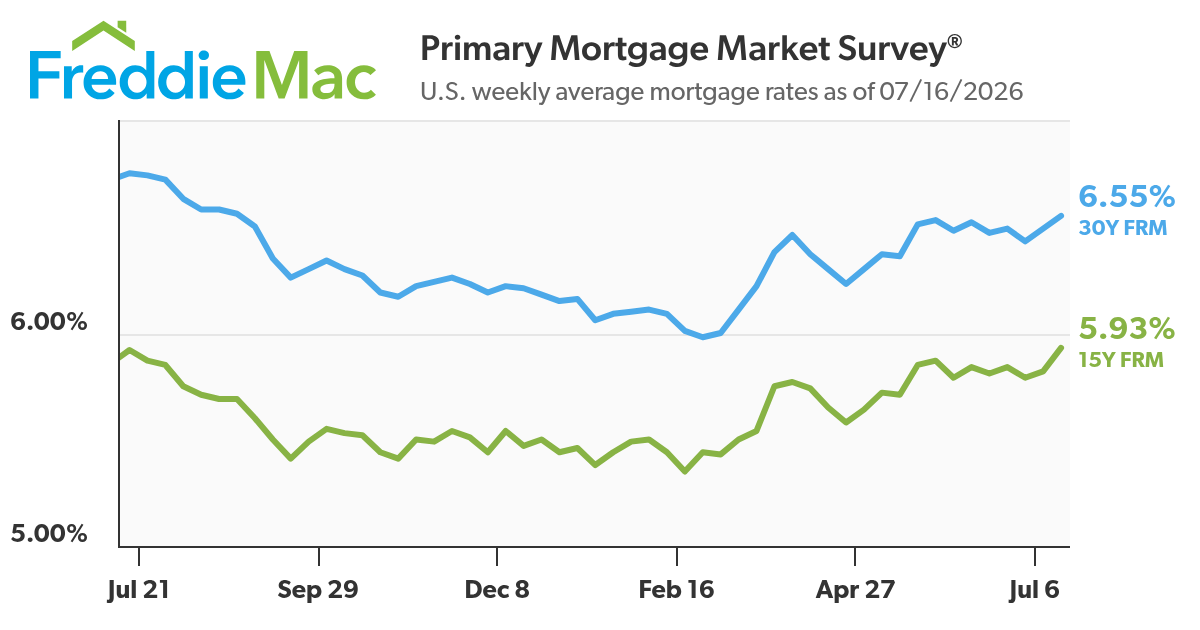
PE demand correlates closely with residential construction, a sector that has struggled amid elevated costs for materials and labor. In addition, lending costs remain relatively high, with the average US 30-year fixed-rate mortgage at 6.55% as of July 16, according to Freddie Mac.
Building permits issued in June were at 1.367 million, 2.3% lower on the year, while July housing starts stood at 1.427 million, 3.5% higher on the year.
And home builder confidence for July fell two points on the month to 34. A score above 50 indicates that a majority of builders feel confident about the current and near-term outlook for housing, while lower readings suggest less optimism. In July 2025, the index was at 33.
During the second quarter, China produced less PE and other commodity chemicals but exported more volumes, which points to declining inventories. Carter noted that although PE inventories grew in May and early June, days of supply (DDI) ultimately fell in June, “reflecting recovering sales volume in the period” for both domestic and export orders.
She added during the call that July orders had picked up, including from China. “And so we fully expect to sell the products that we were able to produce.”
In addition, the company stocked up on PE volumes ahead of planned maintenance on a cracker, which will tighten feedstock ethylene supply and could pressure prices upward for both the monomer and the polymer. Maintenance on the US Gulf cracker started during Q2 and is expected to conclude during Q3.
Cracker operating rates for Q3 are expected to be above 90%, even before planned maintenance concludes, Carter said. She also noted a turnaround scheduled for Q3 for a Gulf Coast PDH unit, which supplies feedstock for polypropylene.
Maintenance on a cracker in Terneuzen, Netherlands, constrained volumes for Q2, Carter said, but she acknowledged that “we were maximizing margins in the second quarter. So there were some volumes that we just decided not to sell into in order to make sure that we restore the margins to the levels they needed to be.”