

Michigan-based PE heavyweight Dow is benefiting from supply chain disruptions stemming from the Iran war, and in a quarterly investor call this week emphasized the advantages presented from its North American production assets.
During the call, executives cited geopolitical effects that support additional hefty price increases for virgin resin this spring: half of global ethylene and PE capacity is offline, reduced or impacted by the conflict, and infrastructure damage is increasing across the Middle East.
COO Karen Carter – who will succeed Jim Fitterling as CEO this summer – said US PE monthly contract prices had increased by a combined 15 cents/lb in January and March, and for April the company nominated a 30 cent increase, with an additional 20 cents for May.
“Both exports and domestic sales set the second highest month ever on record,” she said, adding that overall total sales reached record levels and industry operating rates surged to 97%. “So all of that sets us up for strong price momentum.”
In contract negotiations, producers nominate price increases and buyers may agree to pay all, part or none of them, or to table the nomination until the next month’s discussions.
Lasting impact of Iran war
In March, Fitterling said the company estimated at least 275 days from the end of the conflict to resolve the supply-chain logjams. “And a lot’s changed since then,” he said Thursday, noting additional attacks in the Middle East, more production facilities closed and the last cargoes of crude oil reaching refiners just this week.
“The way I look at that is the first ripple effects of the shutdown of the Strait [of Hormuz] hits the shores this month, two months later. And we don’t have any sign in place that the Strait is going to reopen,” he added, pointing out that ships attempting passage have been unsuccessful, and the Strait previously moved nearly 150 cargoes a day.
He said chemical and plastic shipments were unlikely to receive top priority, rather than products such as fuels and fertilizers that affect national security and food security for various nations.
Export pricing indicates ‘real demand’
Spot pricing for PE exports is experiencing a wide spread between the US and Asia, with an analyst during the call quoting levels around $1,775/ton FOB Houston (free on board, not including freight or insurance), or about 80.5 cents/lb, versus under $1,300/ton delivered in Asia.
“The export price is the indication of real demand, not local price,” Carter said, adding that “in China, in particular, they are starting to restrict the feedstock that is going to petchem production. So we continue to expect prices there to go up as well.”
In addition to upward pressure in Asia and Europe from soaring crude oil prices, Dow said lasting infrastructure damage particularly in the Middle East is a risk, as well as the potential for permanent capacity closures in Asia, beyond China’s “anti-involution” initiative implemented in 2025. These factors would intensify pressure from feedstock supply and operating costs, Dow said.
In contrast, Dow said operating rates for plants in Europe could increase, after being targeted for rationalization in recent years due to aging facilities and high energy costs.
Dow bullish on feedstock advantage, ‘resilient’ demand
Other tailwinds for the company include resilient global packaging demand, low industry PE inventories, and modest improvement in consumer spending, though Carter noted that “the landscape and behaviors are likely to remain cautious until we see a significant inflection in macroeconomic conditions.”
Dow’s global packaging and specialty plastics segment reported higher quarterly sales volumes on the year, though net sales fell by 7% to $4.9 billion, largely due to lower PE prices. Packaging represents 70% of Dow’s market exposure in the division.
In construction and housing, another major sector for Dow, elevated inflation continues to pressure US interest rates, contributing to weaker-than-expected existing-home sales. In March, existing-home sales fell by 3.6% on the year, according to the National Association of Realtors, amid lower consumer confidence and lackluster job growth.
US and Canadian PE production is made primarily with abundant regional natural gas feedstocks, including ethane and propane. The proximity of the supply and the improved yields for natural gas-based production result in a significant cost advantage over crude oil-based naphtha, which is favored in most other global regions.
And North America has vast new PE production, including Dow’s new Freeport plant in Texas, which started up last year, and a 2 million ton/year plant from the CPChem/Qatar Energy JV Golden Triangle expected to start up later this year or in early 2027 in Orange, Texas.
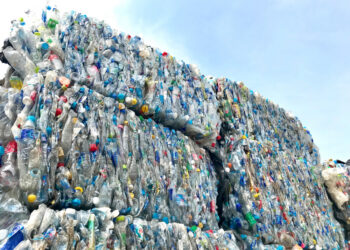
Originally planned 10-15 years ago, the plants are meant to focus on exporting PE, but amid lackluster global demand and oversupply, more resin than was expected has remained domestic. The resulting low pricing has dramatically affected US recycled PE markets, as customers opt for cheaper virgin resin and recyclers are unable to compete.
For the first quarter, average operating rates were around 88%, Dow said, with March around 90% and executives expecting even higher rates in the second quarter. Planned maintenance was completed on the steam cracker in St. Charles, Louisiana, earlier this month, work the company had used to justify price increase nominations during a January call.