




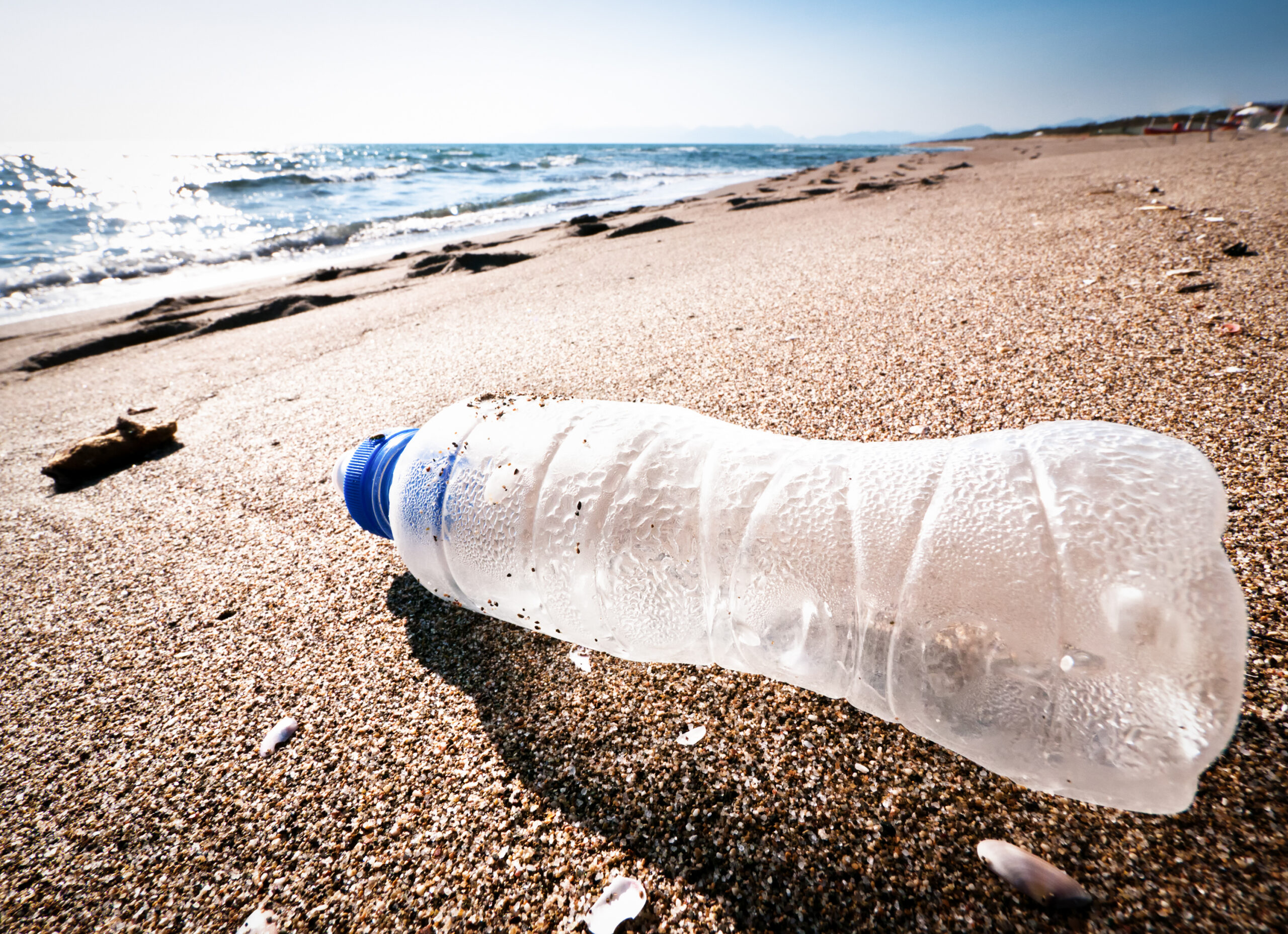
Plastic bottles remain the most-recovered items from the world’s waterways, according to Ocean Conservancy, which released its 2025 International Coastal Cleanup report on Wednesday.
The agency’s 40th cleanup yielded 1.34 million plastic bottles and 885,854 plastic bottle caps, along with more than 1 million food wrappers, plastic bags, straws and other plastic items.
Those numbers hold steady from 2024, when 1.36 million bottles and 853,086 caps were recovered. But the number of cigarette butts dropped from 1.95 million in 2024 to 1.2 million in 2025, allowing bottles to take over the top spot.
More than 630,000 volunteers from around the world spent time last September cleaning up their nations’ coastlines as part of the 2025 effort.
“I have spent nearly 15 years conducting hundreds of cleanups all over the world, and whether we’re on the remote Alaskan coast or a tropical island hundreds of miles from land, we find bottles and caps at every cleanup,” said Allison Schutes, Ocean Conservancy senior director of conservation cleanups. “Most bottles are used for mere minutes and yet can last in the environment forever.”
The 2025 campaign removed 7.92 million pounds of material from waterways. Nearly half of that (3.43 million pounds) was collected in the United States. The number of volunteers in a given country impacted the amount of debris recovered; volunteer numbers ranged from 228,474 in the Philippines to one in Argentina.
US volunteers collected more than 115,000 plastic bottles and 150,000 caps, but more of those materials were seen in the Caribbean and Southeast Asia. The most plastic was removed from the Philippines (380,000 bottles and 258,000 caps) and the Dominican Republic (283,000 bottles and 189,000 caps).
Plastic grocery bag waste remains on the downswing in the US, from which 38,000 were removed in 2025. In contrast, 265,000 were removed from the Philippines, 44,000 from Malaysia and 47,000 from the Dominican Republic. Conservancy leadership cited plastic bag bans, which are in effect in 12 states, as one of the causes of the downturn.
But 40-year Conservancy data shows plastics as a whole have become more prevalent in waterways since the cleanup began. Cigarette butts were the second-most retrieved item last year, yet twice as many cigarette butts (65.63 million) have been collected since 1986 than any other item (food wrappers are second at 32.47 million, and plastic bottles are third at 26.97 million), indicating the pace of bottle pollution has accelerated since the project began.
“There’s really no excuse for this,” said Dr. Anja Brandon, the Conservancy’s director of plastics policy. “Plastic bottles are among the most recyclable items out there, which tells us two important truths. One is that we are making too much plastic, and two is that a lot of our waste isn’t getting where it needs to go.”
Conservancy leadership called upon public and private investment in recycling access, bottle deposit return programs and reuse/refill infrastructure to reduce waterway pollution.
The first cleanup took place in Texas, with the effort expanding to more than 160 countries. Nearly 440 million total items have been collected. The Conservancy uses that information to maintain a global waste database.
The 2026 cleanup is scheduled for Sept. 19.