





Last month saw a decrease in fire-related incidents at North American waste-handling facilities, but experts caution the full-year numbers still indicate 2026 has been hazardous for facility managers and employees.
Ryan Fogelman, who works as a fire prevention consultant at Fire Rover, said in his October fire report that 32 publicly reported fire incidents happened last month at facilities in the US and Canada.
That’s a 29% decline from last September, when 45 such incidents were reported. It’s also a sharp drop from this past summer, as 49 incidents happened in August and 52 took place in July.
That brings the year-to-date total to 326 fires, down about 5.5% from the 345 reported to that point in 2025.
“But I am not ready to celebrate a victory over this problem,” Fogelman wrote. “That is progress in the numbers, but it still leaves us above every comparable January through September period in the monthly series before 2024.”
That year, a record 430 reported fires took place. That record was then broken last year, when 448 incidents happened.
“It seems we have moved away from last year’s record pace, but we are still operating close to another year that finished with a historically high count,” he wrote.
This year’s trends show a downturn in fires at organics (down 37.5% from year-to-date in 2025) and waste paper and plastic facilities (down 11.2%), and an uptick at construction and demolition (up 33.3%) chemical (up 16.7%) and metals (up 8.2%) facilities. Fogelman notes these categories indicate the type of material processed at the facility and not the confirmed cause of the fire.
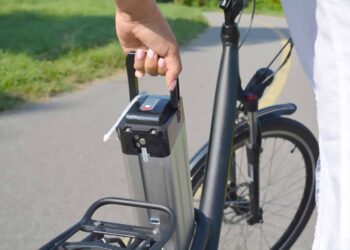
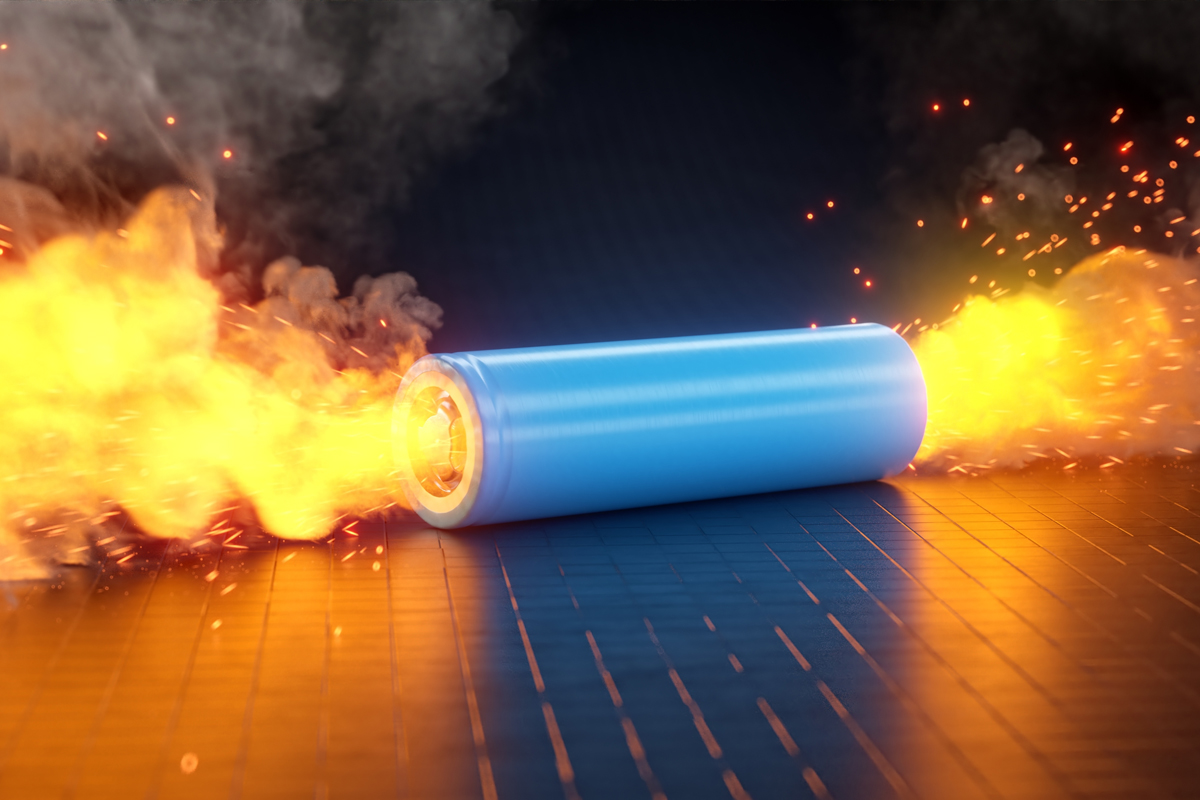
Vapes and other battery-embedded devices remain a primary cause of fires when they end up in waste streams. While facilities should do their part to ensure safe handling, Fogelman said work across the board can create a safer overall waste-handling system.
Product designers can make devices with removable batteries. Municipalities and handlers can develop distinct, adequately protected disposal routes for batteries. Retailers and manufacturers can offer take-back programs. Residents can seek out battery-recycling events rather than throwing them with the rest of the trash.
Preventative measures like this, he said, would be much better than dealing with the aftermath of another fire.
“September’s lower fire count is welcome. I want to see that continue,” he wrote. “But the next stage of progress needs to connect the work happening inside facilities with the decisions being made in homes, stores and product design departments.”
Fogelman’s report takes into account publicly reported fires, which are generally considered to be two alarms or greater so as to make them newsworthy. Actual incident totals are estimated to be six times higher.