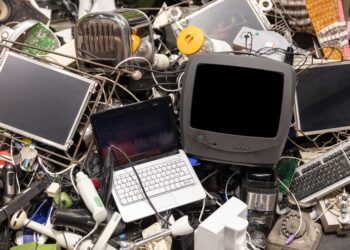




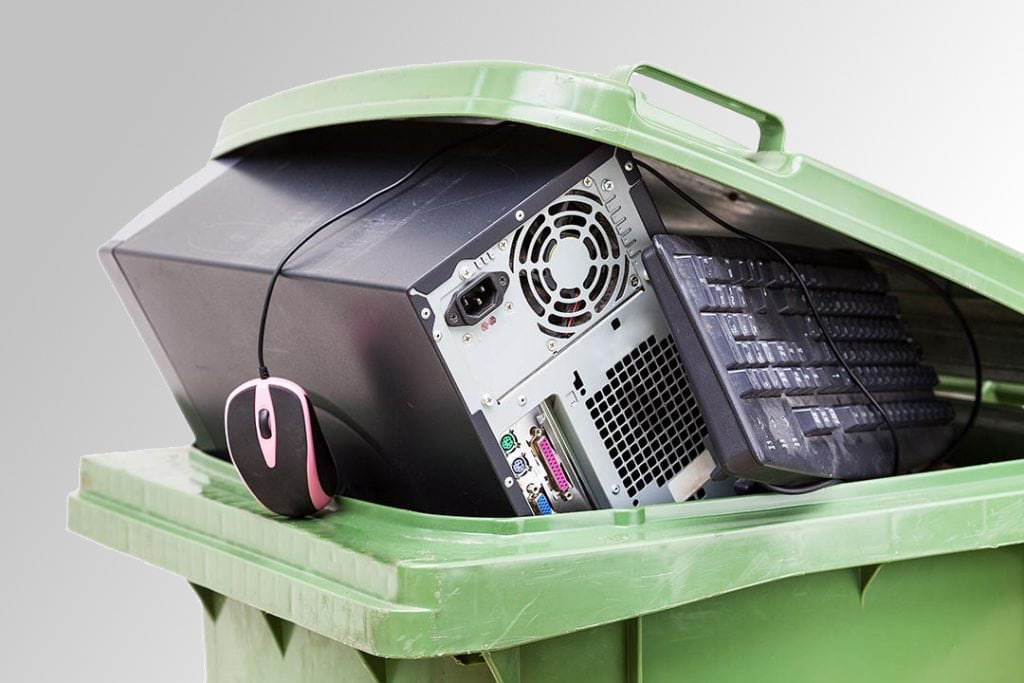
Having seen success in a smaller e-scrap recycling initiative, researchers from the Idaho National Laboratory (INL) are looking to take their project national to uncover ways to boost e-recycling in states without laws requiring it.
The INL is soliciting letters of interest from organizations in the 25 states without e-recycling laws that would like to organize collection events in their areas. Interested parties would have to host at least two events by September 2027.
The study, funded by the Department of Energy (DOE) Office of Critical Minerals and Energy Innovation’s Transportation Technologies Office, is looking at strategies for collecting e-scrap, particularly devices containing batteries. The DOE owns the INL.
The goal is to improve e-scrap collection rates in order to secure more of the critical minerals such as lithium, cobalt and nickel that might otherwise end up in landfills. This aligns with recent federal policy shifts to bolster domestic mineral supply chains. Getting more batteries out of the waste stream would also improve safety at collection sites, as batteries are a primary cause of fires at waste-handling facilities.
“This service is essential for raising awareness, increasing collection volumes and verifying whether successful collection methods from a regulated state can be applied to a nonregulated state with comparable results,” researchers wrote in a brief detailing the project.
The first phase of the research began two years ago and involved collection events in New York (which has recycling regulations in place) and Idaho (which does not). Researchers applied collection methods that worked in New York to about 20 comparable events in southeastern Idaho.
The results in Idaho were comparable to what researchers saw from events in New York. About 850 households took part in Idaho-based events as of September 2026, recycling more than 53,700 pounds of e-scrap. Nearly half of those households took part in surveys that researchers said will inform them on recycling barriers and how to improve future events.
Researchers are looking for organizers to host between six and nine cumulative e-scrap events in nonregulated states. Participants must have existing collection data they can share, organize new events, arrange for advertising and provide event data. They also need access to organizations that process anything that’s collected.
Applications are due Nov. 13.