





Asset flows are getting harder to read, even when the broader market is behaving as expected. Endpoint device shipments fell sharply in the third quarter of 2026, while AI inference workloads pushed server CPU demand higher.
The latest shipment figures point to a structural split in computing demand — a Dr. Jekyll-and-Mr. Hyde moment for OEMs, asset-management firms and their partners. Consumers are keeping smartphones and PCs longer as AI operators build out server capacity. The two markets are sending different signals, and recyclers need to track both.
Phone shipments hit 14-year low
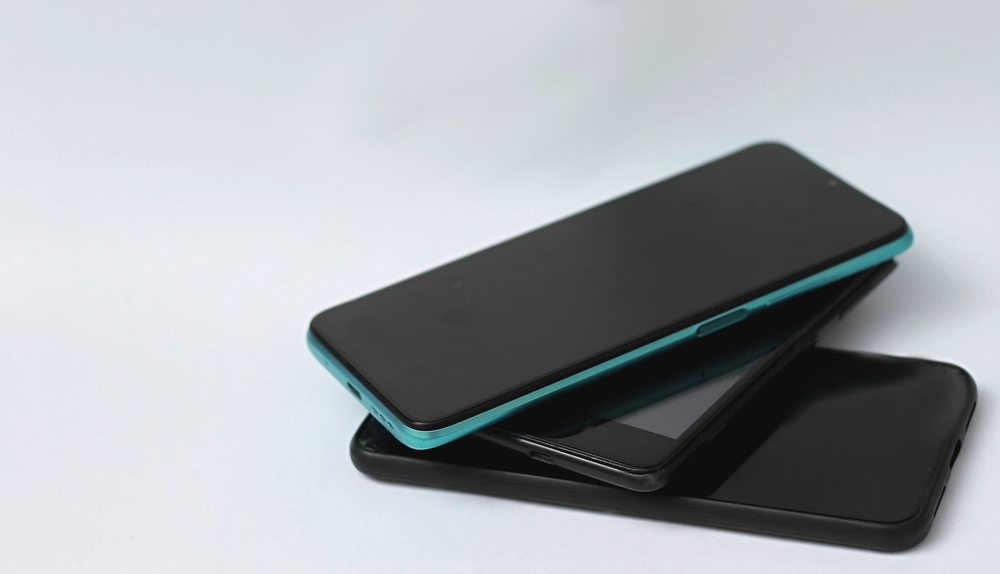
Counterpoint Research found global smartphone shipments fell 20% year over year in the third quarter, reaching their lowest third-quarter level since 2012. Memory shortages raised component costs, disrupted supply and pushed prices higher.
Premium demand is holding up, while price-sensitive consumers are absorbing the downturn. Consumers are keeping devices longer and concentrating their spending on higher-value products. OEMs are tightening portfolios, raising prices and protecting margins. The low end is carrying the weight of the slowdown.
PC shipments fall as prices rise
In the PC sector, worldwide shipments fell a stunning 20.1% year over year in the third quarter to 62.7 million units, according to IDC. The more consequential figure was the 9.1% decline from the second quarter, which broke the market’s normal seasonal pattern.
The third quarter typically benefits from strong back-to-school demand. That lift disappeared this year.
IDC tied the decline to inventory pulled forward earlier in the year. Vendors and channels stocked up before memory-driven price increases, then entered the third quarter with less demand available. High prices are suppressing purchases and keeping the market under pressure.
I spent years at IDC tracking the PC sector, and a 20% contraction of this magnitude a decade ago would have triggered severe industry consolidation. The PC companies have matured and adapted. They broadened their identities beyond the PC box and recast themselves as technology companies. That repositioning now gives them a direct role in the AI buildout and the growing demand for enterprise hardware.
CPUs moving the other way
At the server level, the growth curve bends sharply upward. TrendForce projects server CPU shipments to grow 31% year over year in 2026. That growth will accelerate to more than 40% in 2027. The forecast reflects rising AI inference demand and wider adoption of agentic AI services.
ARM, the processor architecture best known for smartphones, is moving into the server market. TrendForce projects ARM-based processors to exceed 20% of the server CPU market in 2026 and reach about 30% in 2027. AI-focused server platforms and internally developed processors are reshaping the market.
In this context, there is an important shift worth noticing: ARM, a mobile architecture, is becoming part of the AI infrastructure stack. Cloud companies and chipmakers are using ARM designs to develop customized processors for AI and other specialized workloads. That puts established x86 suppliers under pressure and creates a broader mix of server equipment for recyclers and refurbishers to identify, test and value. TrendForce identifies in-house cloud-provider CPUs as a major force eroding x86 share.
Recovery pipeline is splitting
In the current environment, ITAD companies and resource recyclers should brace for the endpoint stream to get older before it gets larger. Longer smartphone and PC lifecycles are likely to slow the flow of newer equipment into trade-in, refurbishment and recycling channels. More devices will remain productive in the field before they enter recovery.
AI infrastructure creates a different opportunity over the next five to 10 years. Server growth will add more specialized equipment to reuse, component recovery and material-processing channels. ARM-based designs widen the platform mix, giving recyclers and refurbishers more assets to identify, test and value.
Commercial PCs warrant separate planning. Their fleet-based return pattern belongs between consumer devices and data-center equipment in the recovery model. ITAD operators, recyclers, smelters and refiners will handle distinct feedstocks with different timing, condition and recovery economics. One electronics market is becoming several recovery markets.
Becoming enterprise solutions partners
The shift in hardware demand raises the standard for ITAD companies and recyclers. Endpoint volume alone no longer supports a one-size-fits-all operating model. A broad replacement cycle will return only when PC, smartphone and device OEMs deliver a user experience compelling enough to force wholesale replacement across the installed base.
Until then, enterprise customers need partners that can manage equipment through its full disposition cycle, with secure data handling, documented chain of custody and clear recovery outcomes.
That standard becomes more demanding as data-center equipment enters the mix. Providers will need to mature their operating models and invest in the technical depth required to identify specialized server platforms, assess reuse potential and route each asset to the right recovery channel. Downstream recyclers, smelters and refiners will need stronger reporting on material grades, recovery yields and final disposition.
This is a change-management issue as much as a technical one. ITAD leadership teams will need to identify capability gaps, sequence investments and prepare their employees and partners for a more complex asset mix. Those gaps will surface on the recovery floor when the first wave of server equipment arrives.