A federal report found several ways to help the US satisfy more of its critical mineral needs domestically, but policy and technology changes could take years to have a meaningful impact.
The recently released Critical Minerals Technology Assessment from the Government Accountability Office (GAO) looked at ways to substitute and recycle products containing minerals considered vital to the nation’s economy and security. This comes as Congress considers several bills relating to critical mineral supply chains.
The report identified 60 such minerals but focused on 11 minerals used in batteries and semiconductors. It found the US is at least 41% reliant (nickel) upon imports of each of these minerals, and in five cases (arsenic, gallium, graphite, indium and manganese) the nation’s entire supply comes from overseas. The authors also found that the US has only decreased its reliance upon imports since 2021 for one of these minerals, aluminum (the import percentage dropped from 61% in 2021 to 60% in 2025).
“Dependence on imports poses a risk of serious, sustained and long-term supply chain disruptions that could impact the nation’s security, defense readiness and economy,” the authors wrote.
The authors laid out changes that could decrease reliance upon foreign-sourced minerals, but each has its limitations.
- Increasing LFP and sodium-ion battery use could create less need for cobalt, graphite and other minerals present in lithium-ion batteries within three years. But the current crop of lithium-ion batteries has a high energy density that can’t be matched by the current generation of alternatives, resulting in shorter driving ranges for EVs.
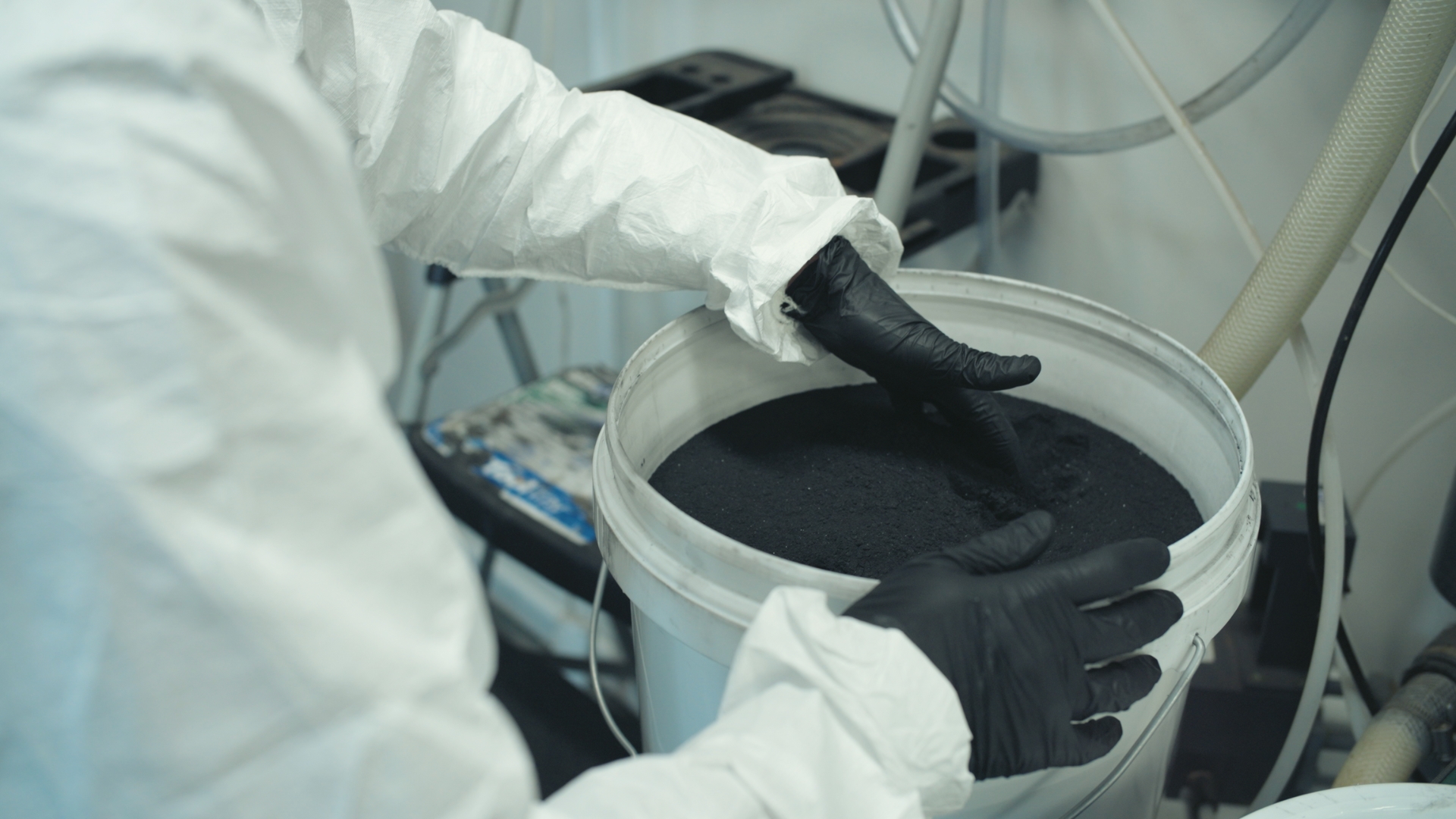
- Recycling more batteries could also create less of a need for lithium, nickel and copper within three years. But a lack of adequate domestic facilities leads to much of the country’s black mass, manufacturing scrap and other potential feedstock going overseas for processing.
- The mineral combination in semiconductors makes them good at managing large amounts of power and rapidly processing data. Developing substitute technologies that replicate these capabilities could create less need for gallium, germanium and indium. But this research is in the early stages, the authors said, meaning a potential substitute is at least a decade away.
- Building an effective recycling infrastructure for manufacturing scrap and end-of-life semiconductors could make recycling the primary source of these semiconductor minerals within the next 10 years, the authors said. Before that, enough of these minerals exist in manufacturing scrap to make that at least a secondary supply source within about three years. But the low yield of these minerals in end-of-life devices and an underdeveloped recycling market would require innovation on both fronts to maximize effectiveness.
The authors suggest four policy options legislators could pursue to decrease import reliance.
- Building or repurposing existing manufacturing capacity to produce substitute technologies would bolster those efforts. Legislators could provide support for private investment and establish partnerships to ramp up testing of semiconductor substitutes. The authors cautioned to keep an eye on emerging technologies so as not to overinvest in something that’s becoming obsolete (like if sodium-ion batteries were ever to surpass LFP batteries).
- Enhancing the domestic recycling capacity would keep more minerals on shore, the authors said. Guaranteed recycling prices, direct public investment and streamlining the permitting process would all help recyclers scale up more quickly, although they said this process would take considerable time to fully mature.
- National e-scrap collection programs could help secure more recycling feedstock, ensuring enough material to make recycling feasible and financially viable. So would financial incentives for collection and storage. But safety issues with battery storage and insufficient demand would have to be overcome.
- Funding research and development would grow both substitution and recycling technologies. This would improve product performance and maximize commercialization potential, although the progress would likely be gradual.
The report was submitted to the House Committee on Energy and Commerce for review.