













Resource Recycling
  • The Latest
  • Analysis
    • All
    • Certification Scorecard
    • Industry Announcements
    • Opinion
    The electronics recycling industry is undergoing a transformation from labor-intensive manual operations to highly automated, AI-driven facilities that use advanced robotics, cleaner chemistry and digital tracking systems to extract critical materials.

    The cyber-physical MRF: AI and robotics reshape e-waste recovery

    Certification scorecard for the week of Feb. 9, 2026

    Meta-Corning deal signals IT hardware retirement wave

    Meta-Corning deal signals IT hardware retirement wave

    Malaysia clamps down on illegal e-waste imports amid probes

    Malaysia clamps down on illegal e-waste imports amid probes

    URT builds alliance to remake electronics plastics at scale

    ICYMI: Top 5 e-scrap stories from January 2026

    The electronics recycling industry is undergoing a transformation from labor-intensive manual operations to highly automated, AI-driven facilities that use advanced robotics, cleaner chemistry and digital tracking systems to extract critical materials.

    Certification scorecard for the week of Feb. 2, 2026

    Auditors warn EU may fall short on critical metals

    Auditors warn EU may fall short on critical metals

    Industry announcements for January 2026

    Industry announcements for February 2026

    ICYMI: Top 5 recycling stories from January 2026

  • Conferences
  • Publications

    Other Topics

    Textiles
    Organics
    Packaging
    Glass
    Brand Owners

    Metals
    Technology
    Research
    Markets
    Grant Watch

    All Topics

Subscribe
No Result
View All Result
Resource Recycling
  • The Latest
  • Analysis
    • All
    • Certification Scorecard
    • Industry Announcements
    • Opinion
    The electronics recycling industry is undergoing a transformation from labor-intensive manual operations to highly automated, AI-driven facilities that use advanced robotics, cleaner chemistry and digital tracking systems to extract critical materials.

    The cyber-physical MRF: AI and robotics reshape e-waste recovery

    Certification scorecard for the week of Feb. 9, 2026

    Meta-Corning deal signals IT hardware retirement wave

    Meta-Corning deal signals IT hardware retirement wave

    Malaysia clamps down on illegal e-waste imports amid probes

    Malaysia clamps down on illegal e-waste imports amid probes

    URT builds alliance to remake electronics plastics at scale

    ICYMI: Top 5 e-scrap stories from January 2026

    The electronics recycling industry is undergoing a transformation from labor-intensive manual operations to highly automated, AI-driven facilities that use advanced robotics, cleaner chemistry and digital tracking systems to extract critical materials.

    Certification scorecard for the week of Feb. 2, 2026

    Auditors warn EU may fall short on critical metals

    Auditors warn EU may fall short on critical metals

    Industry announcements for January 2026

    Industry announcements for February 2026

    ICYMI: Top 5 recycling stories from January 2026

  • Conferences
  • Publications

    Other Topics

    Textiles
    Organics
    Packaging
    Glass
    Brand Owners

    Metals
    Technology
    Research
    Markets
    Grant Watch

    All Topics

Subscribe
No Result
View All Result
Resource Recycling
No Result
View All Result
Home E-Scrap

What’s needed to recover e-plastics domestically?

Colin StaubbyColin Staub
May 9, 2019
in E-Scrap
Brian Riise at the Plastics Recycling Conference and Trade Show.

Brian Riise on stage at the 2019 Plastics Recycling Conference and Trade Show.

Brian Riise on stage at the 2019 Plastics Recycling Conference and Trade Show.

An expert recently explained why North American e-plastics processing could be a component of a wider effort to reduce energy use in U.S. manufacturing. And he outlined steps for progress.

The Remade Institute is a government-funded initiative researching avenues to reduce energy use in American manufacturing. One key way is through boosting recycling, specifically in the realms of plastics and electronics. Remade, which launched in 2017 and is funded with $70 million over five years, last summer issued funding to a handful of projects increasing recovery of hard-to-recycle plastics.

But the organization also has a particular interest in another hard-to-recycle plastic category, the e-plastics found in electronic devices. At the 2019 Plastics Recycling Conference and Trade Show in March, Brian Riise, a polymer expert with the Remade Institute, expanded on the barriers to greater e-plastics recovery and some of the potential solutions.

Export options hindered development

ReMade is interested in recovering plastic from e-scrap in part as a way of harnessing the embodied energy – the energy of the oil used as feedstock, plus the energy to convert the plastic into pellets. Riise noted e-plastics are more energy-intensive than many other common plastics in the marketplace, such as PET, so choosing those polymer to target for recovery can be a smart environmental move.

Between 25% and 30% of the end-of-life electronics stream is made up of plastics, Riise said, but historically most of the plastic that is recovered has been shipped overseas. Riise formerly worked at plastics recycling technology company MBA Polymers, and he said the company experimented with e-plastics recovery but “couldn’t compete with exporters.”

“But because those exports have gone away, or are at least very unstable, there could be an opportunity domestically,” he said, referencing the upheaval in global scrap plastic markets over the past two years, driven largely by China’s recycled-material import restrictions.

Meanwhile, recovered e-plastic demand has increased over the years as companies look to use more and more recycled material in manufacturing. The plastics are also comparatively valuable. Riise said ABS, HIPS and PC are significantly more expensive as virgin materials than typical polyolefins are, which means there is a strong economic case for recovering those materials.

In the past, e-plastic was shredded or baled, before being exported. E-scrap companies got very low prices for selling the material, but didn’t have to spend much on processing it. With some investment in processing operations, Riise noted, there is the potential for greater financial return on the material.

“As you maximize the value of the material by going from mixed plastics to flakes, purified flakes to pellets, you increase the value and you actually have the potential to improve profitability,” Riise said. (Riise and several colleagues wrote a feature story in E-Scrap News last year laying out that profitability structure.)

Technical considerations

Density sorting, electrostatic separation, optical sorting, X-ray transmission, near infrared and other tools are key to purifying recovered e-plastics and boosting the material’s value , Riise said.

After sorting, the plastic needs to be extruded and compounded. Here, different extruders yield different results, and there are tradeoffs. A twin-screw extruder, for example, can provide strong mixing and compounding, whereas other models carry higher throughput.

Melt filtration is also a critical component of e-plastics processing, because there are numerous contaminants that must be weeded out. And here, too, the equipment depends on the processing operation’s planned usage.

“I worked in this for 20 years, and I don’t think we ever had a consensus on what the ideal melt filtration system was,” Riise said. “It really depended on the details of the feed material and the contaminant.”

Riise said the economic opportunity for greater domestic e-plastics recovery is promising, noting the required technology has been developed.

He also listed some significant steps that need to take place to optimize recovery of the material. These include improving the ability to rapidly identify input composition due to the variety of plastics used in electronics, improving output pellet properties (such as their visual appearance to allow for higher-use end markets), and exploring chemical and solvent processing on e-plastics (either for recovering additional polymers or removing additives such as flame retardants).

Riise said Remade and its members “have the potential to look at some of these technical barriers, overcome them and really develop this technology.”

Photo credit: Brian Adams Photo/Resource Recycling, Inc.

 

Tags: E-PlasticsResearch
TweetShare
Colin Staub

Colin Staub

Colin Staub was a reporter and associate editor at Resource Recycling until August 2025.

Related Posts

UT Austin spinout Supra launches to recover rare earths

byScott Snowden
February 3, 2026

Supra Elemental Recovery launched today, aiming to recover gallium and scandium from US waste streams to help reduce import dependence...

Leveraging materials testing for procurement efficiency

byDr. Pradyumna Gupta
January 23, 2026

In real-world application, variations in resin properties translate into budget risk, from increased scrap rates and production downtime to premature...

Robot pilot targets legacy parts to help supply defense

Robot pilot targets legacy parts to help supply defense

byScott Snowden
December 29, 2025

Although chip availability has improved since the worst shortages earlier in the decade, Tuurny says demand for legacy electronics remains...

Chemical bonds

Alberta catalyst discovery targets hydrogen and plastics

byScott Snowden
December 10, 2025

A chance discovery inside a University of Alberta laboratory has developed into a Canadian cleantech project that aims to reshape...

Global recycling patent trends may reflect legislative push

Global recycling patent trends may reflect legislative push

byAntoinette Smith
November 25, 2025

Patent applications for chemical recycling technologies have reached a record high globally with government initiatives among the factors driving innovation,...

EU recyclers make case for solvent-based methods

EU recyclers make case for solvent-based methods

byAntoinette Smith
October 23, 2025

Industry association Plastics Recyclers Europe is looking to raise the profile of dissolution recycling, an often-overlooked process that doesn't quite...

Load More
Next Post
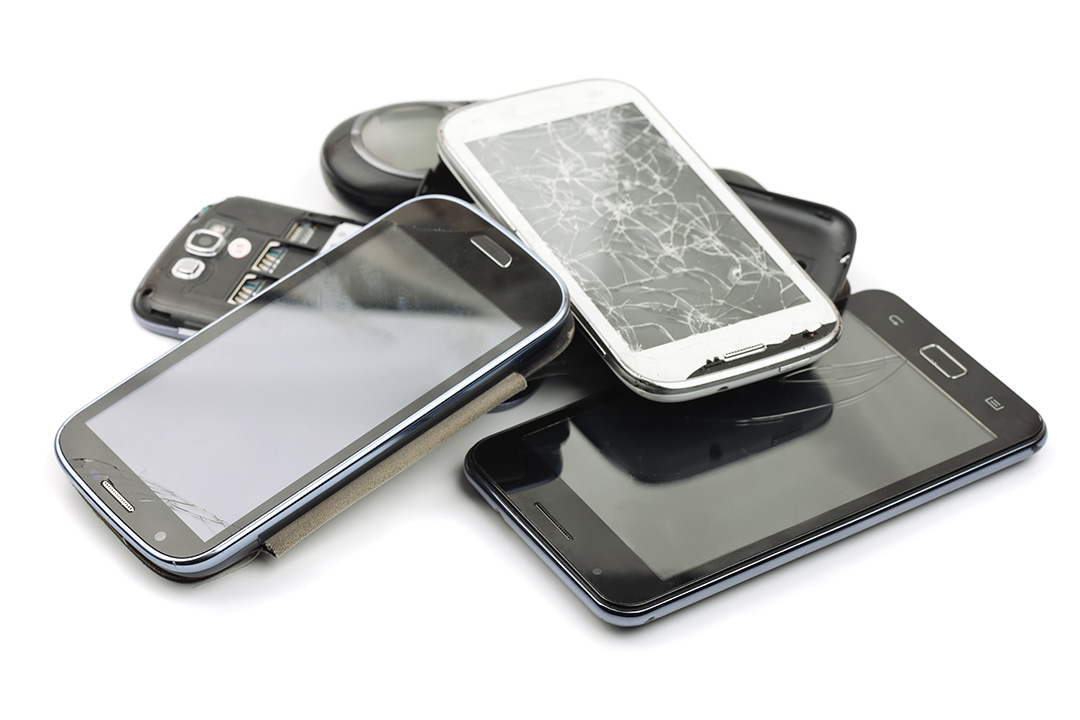
Pile of used smartphones.

Phone refurb specialist expands into e-scrap

More Posts

Oregon’s Recycling Modernization Act faces injunction

Court partially blocks Oregon EPR law, dismisses bulk of lawsuit

February 10, 2026
Chinese processing group details goals for US visit

AMP lays out vision of next-generation, AI-driven MRFs

July 24, 2024
Malaysia clamps down on illegal e-waste imports amid probes

Malaysia clamps down on illegal e-waste imports amid probes

February 6, 2026

REUSE Act heads to US House for consideration

February 9, 2026
Meta-Corning deal signals IT hardware retirement wave

Meta-Corning deal signals IT hardware retirement wave

February 9, 2026

ecoATM recycled 7.5M phones in 2025 as payouts hit $1.5B

February 10, 2026
Texas sues over dumped wind turbine blades

Texas sues over dumped wind turbine blades

February 10, 2026

APR, industry create proactive guidance for PET caps

February 12, 2026

Alpek talks PET overcapacity, soft demand

February 11, 2026
The electronics recycling industry is undergoing a transformation from labor-intensive manual operations to highly automated, AI-driven facilities that use advanced robotics, cleaner chemistry and digital tracking systems to extract critical materials.

The cyber-physical MRF: AI and robotics reshape e-waste recovery

February 12, 2026
Load More

About & Publications

About Us

Staff

Archive

Magazine

Work With Us

Advertise
Jobs
Contact
Terms and Privacy

Newsletter

Get the latest recycling news and analysis delivered to your inbox every week. Stay ahead on industry trends, policy updates, and insights from programs, processors, and innovators.

Subscribe

Welcome Back!

Login to your account below

Forgotten Password?

Retrieve your password

Please enter your username or email address to reset your password.

Log In

Add New Playlist

No Result
View All Result
  • The Latest
  • Analysis
  • Recycling
  • E-Scrap
  • Plastics
  • Policy Now
  • Conferences
    • E-Scrap Conference
    • Plastics Recycling Conference
    • Resource Recycling Conference
    • Textiles Recovery Summit
  • Magazine
  • About Us
  • Advertise
  • Archive
  • Jobs
  • Staff
Subscribe
This website uses cookies. By continuing to use this website you are giving consent to cookies being used. Visit our Privacy and Cookie Policy.