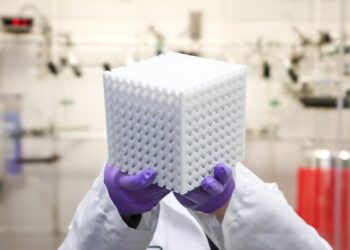




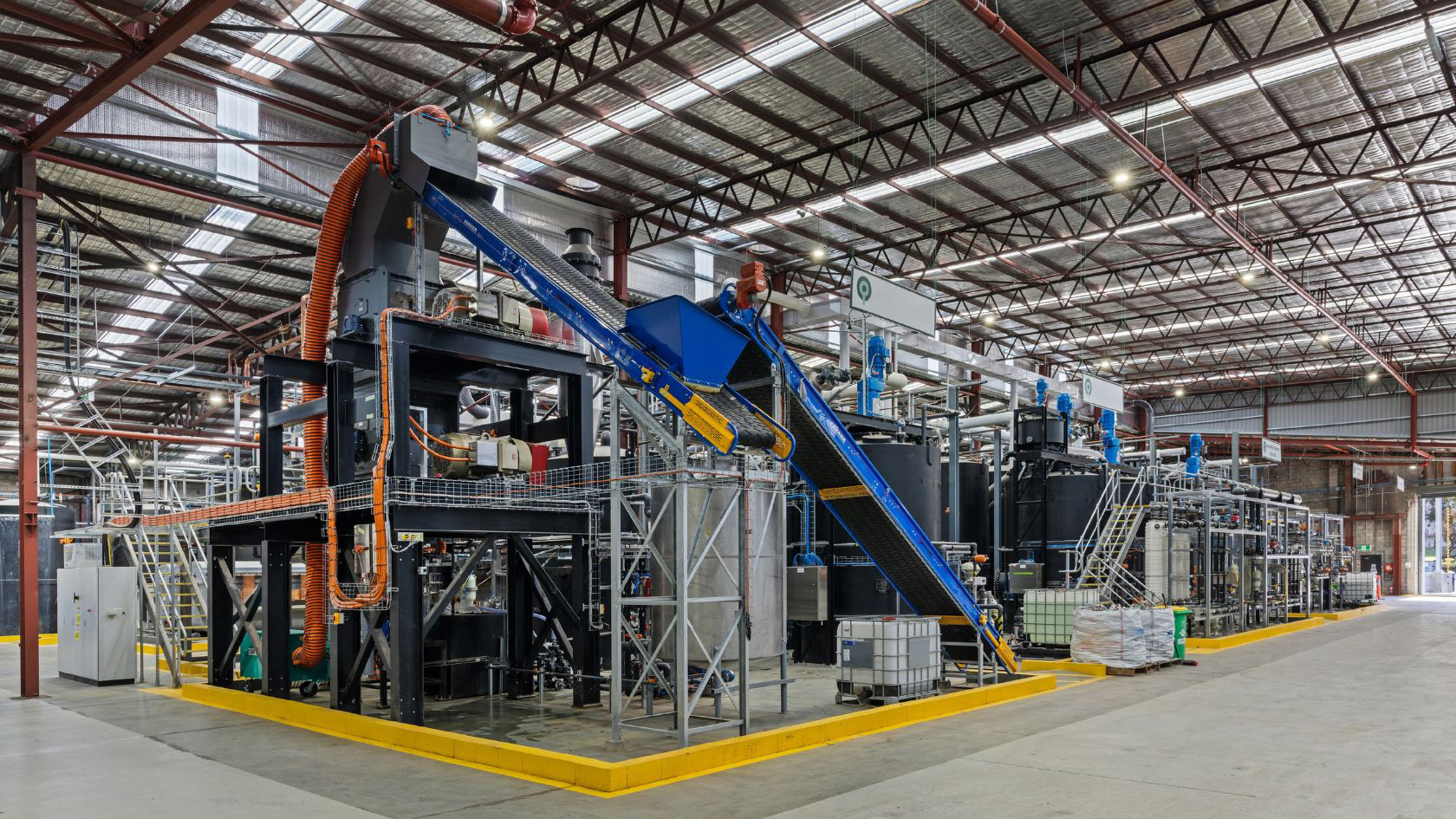
Mint Innovation says it has produced the first certified batch of closed-loop recycled copper returned to a specific electronics product line, working with HP Inc. to recover metal from end-of-life printed circuit boards for reuse in new laptops.
The Sydney-based facility processed HP electronics scrap to produce high-purity copper sheets that were incorporated into HP EliteBook X G2 Series laptops and HP EliteBoard G1a Next Gen AI PC models unveiled at the 2026 CES in Las Vegas. The recovered material received third-party certification from TÜV Rheinland confirming it met chain-of-custody and quality requirements under ISO 14021, EN 15343 and ISO 22095 standards.
Matt Bedingfield, president of Mint Innovation, said the company’s batch-based hydrometallurgical process allows it to trace discrete volumes of metal from incoming scrap to finished output.
“We are the only company in the world capable of tracing individual batches of metal from the waste pile back to the new product at commercial scale, a level of transparency that traditional smelting simply cannot provide,” Bedingfield said.
Unlike conventional smelting, which blends feedstock in continuous furnaces, Mint runs multiple batches with separation between inputs. “There is a discrete gap between them, so you can actually identify what inputs went into that specific batch,” he said.
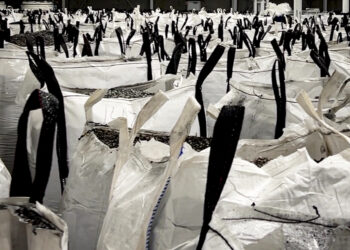
Bedingfield said HP provided end-of-life assets for the validation work and that Mint conducted multiple trials before producing what he described as an industrial batch, which was then used by HP in its new laptop PCs.
Bedingfield cited a US copper shortfall of about 1 million metric tons and a projected global gap of roughly 10 million metric tons by 2035, saying manufacturers are facing tightening supplies of critical materials.
“There’s a million ton copper shortage right now in the US alone,” he said. “There’s not one company that’s going to fix that.”
According to the United Nations, the world generates about 62 million metric tons of electronic scrap annually, with less than a quarter formally recycled. In the US, Bedingfield said, electronics recycling rates are about 15%.
Mint’s process combines chemistry and biology in a hydrometallurgical system. Bedingfield said the economic challenge in electronics recycling has long centered on gold recovery because the metal represents a large share of value but a small fraction of volume.
“What our founder did was he took biological matter and basically introduced it into the bath,” he said. “When you dissolve gold, you’re removing electrons from the surface. So biological matter has an excess of them, so you’re effectively creating a magnet that the gold will latch onto and allow it to drop out of the bottom.”
While hydrometallurgical methods have existed for decades, Bedingfield said the gold recovery step has historically limited broader application in electronics processing.
Mint was founded in New Zealand and built its first commercial-scale prototype at a plant in Smithfield, a suburb of Sydney. The company’s first US site, in Longview, Texas, is expected to be roughly double the size of that Sydney operation when complete and able to process about 4,000 metric tons per year, depending on feedstock quality.
Bedingfield said the company plans to begin operating a sampling line this summer to work with local suppliers before constructing a full hydrometallurgical plant, which would take about 15 months to build once financing is secured.
Rather than exporting material overseas for processing, Bedingfield said Mint aims to locate plants near where electronics scrap is generated. “We’re focused on going where the scrap is created, instead of what’s done today, where we ship this stuff all over the globe,” he said.
The company is also in discussions with other original equipment manufacturers and government entities. Bedingfield said Mint plans to launch mobile data destruction services this summer, shredding material to NSA specifications of less than 2 millimeters to address data security concerns before metal recovery.
Each manufacturer measures recycled content and supply chain strategy differently, he said, and Mint’s batch model allows it to provide commodity output for open markets and closed-loop processing for specific customers.
“What HP doing this deal with us does is it shows that there’s organic demand for exactly this,” Bedingfield said. “We’re trying to fill a need that already exists and it’s a big gap.”