





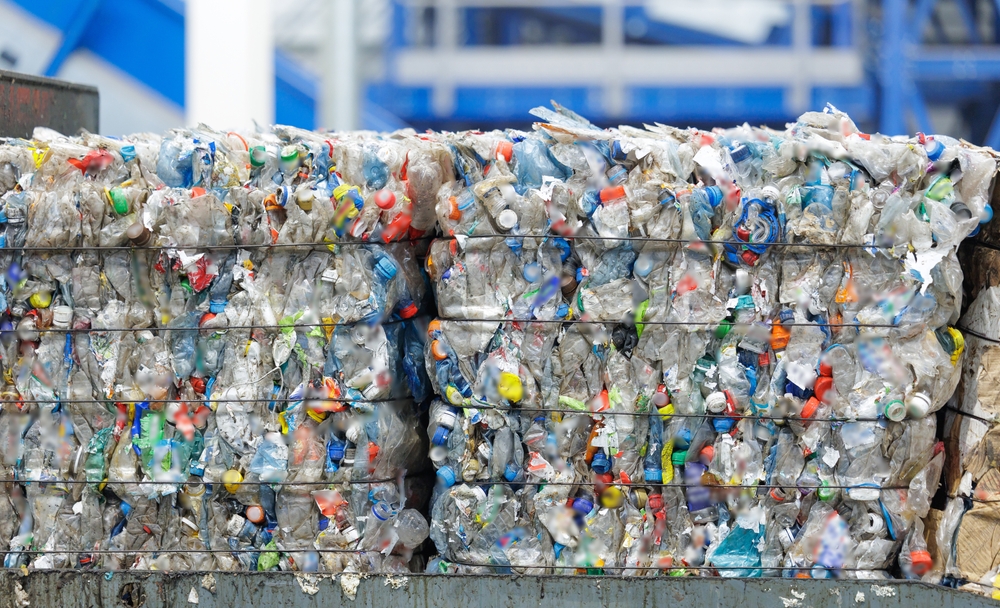
Recycled commodity values at Northeast MRFs increased for the second consecutive quarter as Q2 2026 figures show gains across most materials outweighed a 61% drop in PET, according to the Northeast Recycling Council.
In the latest report, average blended values reached $93.03/ton without residuals, up 11.1% from Q1. Including residuals, the value climbed 15.24% to $76.37/ton, NERC said.
The gains extended a recovery from Q4 2025, when average values fell to five-year lows of $68.41/ton without residuals and $52.49/ton with them. Values rebounded 22.37% and 26.26%, respectively, in Q1 2026, though the latest increases came at a slower pace.
That late-2025 trough followed declines in OCC, mixed paper, aluminum cans and several plastics grades. Natural and color HDPE were among the exceptions, posting gains during Q4. The new results therefore show a broader recovery in commodity pricing, though PET has continued moving lower through the first half of 2026.
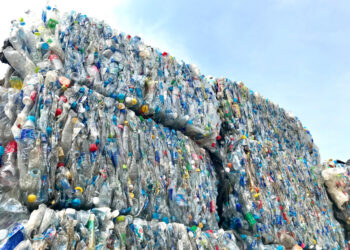
PET averaged $40.48/ton in Q2, with reported prices ranging from $8.47 to $70. The resin also declined in Q1, when most other commodities began recovering.
Other plastics posted substantial increases. Color HDPE rose 122% to $293.63/ton, while natural HDPE increased 10% to $1,471.31/ton. Polypropylene climbed 72% to $345.37/ton, and mixed plastics Nos. 3-7 advanced 39% to $186.52/ton.
OCC increased 17% to $99.21/ton, while mixed paper fell 5% to $45.57/ton. Aluminum cans gained 5% to $2,171.29/ton, and steel cans rose 4% to $221.29/ton.
Glass remained mixed. Clear and green container prices declined, brown glass held steady, and three-mix glass carried a negative average value of $37.71/ton, meaning MRFs paid to move the material.
The quarterly survey collected commodity pricing from 19 MRFs across 12 states. Two facilities were excluded from the blended average because they marketed insufficient material during Q2 to provide a representative comparison. That calculation included 13 single-stream and four dual-stream or source-separated facilities.
Single-stream values rose 12.3% to $91.28/ton without residuals and 11.37% to $74.74/ton with residuals. Dual-stream and source-separated values increased 8.04% to $98.65/ton without residuals and 28.33% to $81.62/ton with residuals, remaining above single-stream values on both measures.
Residuals are incoming materials that cannot be marketed and require disposal. The measure without residuals reflects a ton of marketed recyclables; the measure including residuals accounts for managing unmarketable material in each ton processed. Disposal costs increased during Q2, although facilities may calculate those costs differently, NERC noted.
The report covers Connecticut, Delaware, Maine, Maryland, Massachusetts, New Hampshire, New Jersey, New York, Pennsylvania, Rhode Island, Vermont and Virginia. Collection systems and state policies affect which materials reach participating facilities.
Beverage container deposit programs, for example, divert some glass bottles, PET bottles and aluminum cans away from MRFs, reducing potential revenue from those materials. Single-stream collection remains the most common approach represented in the survey.
NERC cautioned that differences in collection programs, market access and operating conditions limit how the regional averages can be applied locally.
“This data is not intended to serve as a price guide for MRF contracts,” the organization said.