






Resource Recycling
  • The Latest
  • Analysis
    • All
    • Certification Scorecard
    • Industry Announcements
    • Opinion

    Certification Scorecard — Week of June 1, 2026

    IT asset disposition and electronics recycling: Now and then

    $60 billion in AI servers will create an ITAD challenge

    The independent ITAD at a crossroads

    DMD acquires ITAD firm Lifespan, outlines acquisition strategy

    Packaging policy is not one-size-fits-all

    Packaging policy is not one-size-fits-all

    Industry announcements for January 2026

    Industry announcements for June 2026

    Europe’s recyclers miss most of the critical materials

    Europe’s recyclers miss most of the critical materials

  • Conferences
    • Resource Recycling Conference
    • Plastics Recycling Conference
    • E-Scrap: The Longevity Conference
    • Textiles Recovery Summit
  • Publications
    • E-Scrap News
    • Plastics Recycling Update
    • Policy Now
    • Resource Recycling
    • Other Topics
      • All Topics
      • Brand Owners
      • Critical Minerals
      • Glass
      • Grant Watch / RFPs
      • Markets
      • Organics
      • Packaging
      • Research
      • Technology
      • Textiles
Subscribe
No Result
View All Result
Resource Recycling
  • The Latest
  • Analysis
    • All
    • Certification Scorecard
    • Industry Announcements
    • Opinion

    Certification Scorecard — Week of June 1, 2026

    IT asset disposition and electronics recycling: Now and then

    $60 billion in AI servers will create an ITAD challenge

    The independent ITAD at a crossroads

    DMD acquires ITAD firm Lifespan, outlines acquisition strategy

    Packaging policy is not one-size-fits-all

    Packaging policy is not one-size-fits-all

    Industry announcements for January 2026

    Industry announcements for June 2026

    Europe’s recyclers miss most of the critical materials

    Europe’s recyclers miss most of the critical materials

  • Conferences
    • Resource Recycling Conference
    • Plastics Recycling Conference
    • E-Scrap: The Longevity Conference
    • Textiles Recovery Summit
  • Publications
    • E-Scrap News
    • Plastics Recycling Update
    • Policy Now
    • Resource Recycling
    • Other Topics
      • All Topics
      • Brand Owners
      • Critical Minerals
      • Glass
      • Grant Watch / RFPs
      • Markets
      • Organics
      • Packaging
      • Research
      • Technology
      • Textiles
Subscribe
No Result
View All Result
Resource Recycling
No Result
View All Result
Home Recycling

CalRecycle misses SB 54 rulemaking deadline

Marissa HeffernanbyMarissa Heffernan
March 11, 2025
in Recycling
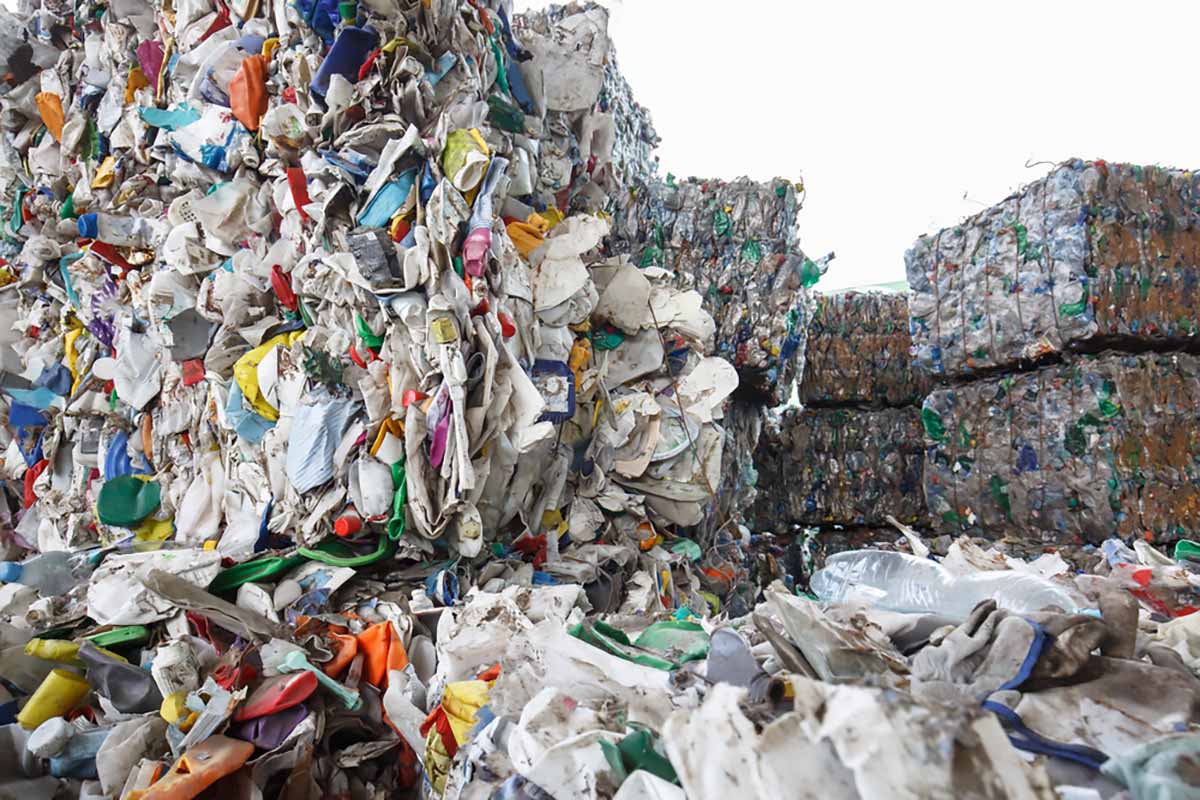
By statute, the full permanent rulemaking package needed to be submitted to the Office of Administrative Law by March 7, but it wasn’t. | Jonathan Lenz/Shutterstock

California state regulators will head back to the drawing board after the governor declined to accept their draft extended producer responsibility program language, delaying the implementation of EPR for packaging and requiring another round of rulemaking.

The missed deadline also prompted some environmental advocates to suggest reintroducing a 2022 ballot measure that would have had more stringent environmental goals.

By statute, the California Department of Resources Recycling and Recovery needed to submit the full permanent rulemaking package needed to be submitted to the Office of Administrative Law by March 7. However, on Friday afternoon, Gov. Gavin Newsom’s office said the current draft regulations would impose unacceptable burdens on businesses and add costs that would affect consumers, Bloomberg reported.

With the rulemaking deadline missed, regulators will have to convene another series of stakeholder meetings and develop a new draft, but the timeline is not yet clear.

CalRecycle Senior Information Officer Lance Klug told Resource Recycling that in the coming year, “CalRecycle will continue to work with industry, advocates and other interested parties to develop rules that ensure California’s plastic pollution law balances the need to cut plastic pollution with the importance of minimizing costs to families and small businesses.”

Circular Action Alliance, the state producer responsibility organization, said in an emailed statement March 7 that it appreciates “the Governor’s commitment to the effective and efficient implementation of SB 54.” 

An additional statement from CAA on March 10 added: “We respect Governor Newsom’s decision to reopen the rulemaking process for SB 54.” The group’s priority “is to ensure the successful and timely execution of this landmark legislation. We are committed to meeting its ambitious goals and to implementing the law as intended.”

“While the reopening of rulemaking introduces a period of review, we are fully prepared to adapt our implementation strategy as needed,” CAA continued. “The additional time provided for refining the regulations will allow us to address critical elements and ensure the program’s long-term success.”

CAA emphasized “the importance of open dialogue throughout this process”  and said it appreciates “the continued collaboration and engagement of all interested parties.” 

Environmental groups, which had been pressuring Newsom to allow SB 54 to keep moving according to its original timeline, decried the decision.

“Both the State’s and industry’s actions represent a betrayal of the compromise reached in 2022 that led advocates to withdraw a ballot initiative that the industry had strongly opposed,” Break Free From Plastic movement members said in a press release. “The industry has worked to undermine SB 54 ever since its passage, all while plastic pollution has dramatically increased.” 

The pressure of the public ballot measure ultimately brought industry stakeholders to the table, those involved with the bill said at the time. And Break Free From Plastic wrote that advocates are “reevaluating all possible avenues to achieving the targets and goals in SB 54, including reviving the ballot initiative to let voters decide this issue.” 

“The plastics industry again proves that they cannot be trusted to live by agreements negotiated with advocates, the Legislature, and the Governor’s office,” the organization wrote. “Even if new regulations are ultimately adopted, the industry has made it clear that they are simply not serious about meaningfully reducing the amount of plastic pollution that they create and from which they profit.”

Rachel Michelin, president and CEO of the California Retailers Association, is a nonvoting member of the SB 54 advisory board and said at a Feb. 21 board meeting: “Our position has always been that we want SB 54 to work.

“I can tell you there are going to be unintended consequences if we don’t do this right,” she said. “Everyone is watching across the country to see how we do this in California, and if we rush this through and don’t take the time to do it effectively and efficiently, we’re going to all be facing the consequences of it going forward, not just for SB 54 – I know others of us work on other EPR programs that are building upon what’s in the regulatory package.” 

Making a public comment at the meeting, Anja Brandon, director of plastics policy at Ocean Conservancy, said delaying or undermining SB 54 would also have ripple effects on other EPR legislation. 

“Right now we are in a moment where delays or any undermining of SB 54 risks broader stakeholder support for EPR across the United States,” she said, encouraging everyone to “move from theoretical concerns to actually implementing this law.”

In a March 7 press release, CALPIRG State Director Jenn Engstrom said the organization was “very concerned by Governor Newsom’s decision to delay implementation.” 

“Pollution from single-use plastic packaging is now at a crisis level —  harming our environment, cluttering our communities, and threatening public health,” Engstrom said. “We cannot delay tackling this problem, so we hope the governor will stand strongly against the scourge of plastic waste and see that our state meets the Plastic Pollution Producer Responsibility Act’s goals and timeline.”

In the Break Free from Plastics press release, Californians Against Waste Director of Advocacy Nick Lapis said it was “disappointing — but ultimately not surprising — that the industry is backing away from its commitment to tackle plastic pollution and trying to slow down the process that they themselves agreed to.” 

Michael Washburn, a consultant on sustainability and public affairs for Washburn Consulting, said he’s heard “relief across the board” from producers but also has some concerns over whether extending the timeline alleviates technical hurdles for producers, especially around source reduction and using alternative materials.  

If the rulemaking proceeds again just like it did the first time, Washburn said, it could be only “kicking the can down the road.” 

“I would love to see a process where we could get really precise about a set of technical standards,” he said, especially around alternative packaging materials. He’d also like “a meaningful discussion about the role that advanced (chemical) recycling can play in the space.” 

Washburn added that the delay may have ripple effects for EPR implementation in Oregon and Colorado, which may now come under closer scrutiny, especially in the macroeconomic context of tariffs and uncertainty.  

“If we’re going to be given more time, let’s use that time to ensure we’re thinking through the real problems that need to be solved, not just repeating the process again later,” he said. “That’s what I’m afraid we’re going to do.” 

Tags: CaliforniaEPRIndustry Groups
TweetShare
Marissa Heffernan

Marissa Heffernan

Marissa Heffernan worked at Resource Recycling from January 2022 through June 2025, first as staff reporter and then as associate editor. Marissa Heffernan started working for Resource Recycling in January 2022 after spending several years as a reporter at a daily newspaper in Southwest Washington. After developing a special focus on recycling policy, they were also the editor of the monthly newsletter Policy Now.

Related Posts

In My Opinion: Comparing the nation’s first packaging EPR laws

What Maine’s vape EPR law means for recyclers

byStefanie Valentic
June 4, 2026

Maine is the first state to require vape manufacturers to fund end-of-life management for their products. Vape recycler Michael Duckworth...

Our top stories from June 2021

Colorado advances EV battery EPR law

byStefanie Valentic
June 3, 2026

Colorado, which passed its Battery Stewardship Act in 2025, is now looking to close the gap on large-format, EV batteries.

PureCycle maintains price expectations for its R-PP resin

EPR clarity is driving brand demand, says PureCycle CEO

byStefanie Valentic
June 1, 2026

With SB 54 registered and lawsuits already filed, PureCycle CEO Dustin Olsen says the fight over what counts as recycling...

Q1 containerboard exports drop by 19%

What SB 54 looks like from the packaging floor

byStefanie Valentic
June 1, 2026

With compliance deadlines coming on quickly, smaller companies are struggling to absorb changes and stay on the right side of...

Film and flexibles recycling needs collaboration

byBrian Clark Howard
May 29, 2026

Experts from the Film & Flex Recycling Alliance, US Flexible Film Initiative (USFFI), Delterra, The Recycling Partnership and Circular Action...

California extends compostable labeling law

California bills crack down on false recycling, compostable claims

byStefanie Valentic
May 29, 2026

Three bills targeting recycling and compostables labeling have cleared key hurdles as California's session deadline nears.

Load More
Next Post

Ethics complaint adds to SB 54 back-and-forth

More Posts

Machinex

Longview mill tragedy raises broader questions for fiber, recycling sectors

May 29, 2026
Recycling industry addresses Beyond Plastics report

Recycling industry addresses Beyond Plastics report

May 26, 2026
What a report on Starbucks cups reveals about recycling

What a report on Starbucks cups reveals about recycling

May 26, 2026
Q1 containerboard exports drop by 19%

What SB 54 looks like from the packaging floor

June 1, 2026
War, not demand driving polymer pricing

War, not demand driving polymer pricing

June 2, 2026
California extends compostable labeling law

California bills crack down on false recycling, compostable claims

May 29, 2026
Bottle bill backers see opportunity for action

PET collapse exposes gaps in US recycling infrastructure

May 15, 2026
Emerging technology holds the key to rare earth recovery

Emerging technology holds the key to rare earth recovery

June 1, 2026
BASF, Encina expand circular feedstock partnership

BASF, Encina expand circular feedstock partnership

June 3, 2026
Chemical recycling roundup: New plant, partnerships

Polystyrene’s circular future is already taking shape

May 29, 2026
Load More

About & Publications

About Us

Staff

Archive

Magazine

Work With Us

Advertise
Jobs
Contact
Terms and Privacy

Newsletter

Get the latest recycling news and analysis delivered to your inbox every week. Stay ahead on industry trends, policy updates, and insights from programs, processors, and innovators.

Subscribe

Welcome Back!

Login to your account below

Forgotten Password?

Retrieve your password

Please enter your username or email address to reset your password.

Log In

Add New Playlist

No Result
View All Result
  • The Latest
  • Analysis
  • Recycling
  • E-Scrap
  • Plastics
  • Policy Now
  • Conferences
    • E-Scrap Conference
    • Plastics Recycling Conference
    • Resource Recycling Conference
    • Textiles Recovery Summit
  • Magazine
  • About Us
  • Advertise
  • Archive
  • Jobs
  • Staff
Subscribe
This website uses cookies. By continuing to use this website you are giving consent to cookies being used. Visit our Privacy and Cookie Policy.