






Resource Recycling
  • The Latest
  • Analysis
    • All
    • Certification Scorecard
    • Industry Announcements
    • Opinion
    From claims to custody: PCR procurement grows up

    From claims to custody: PCR procurement grows up

    What the NAND flash crunch means for remarketing, refurbishment and residual values

    Telamon acquires ITAD consultancy Retire-IT

    Certification Scorecard — Week of July 6, 2026

    Tech giant pens detailed ‘plastic-free packaging’ guide

    What Google’s latest report means for ITAD

    Unpacking the Starbucks cup data

    Unpacking the Starbucks cup data

    Amazon cutting out more flexible packaging

    Amazon’s AWS hardware reuse is measured

  • Conferences
    • Resource Recycling Conference
    • Plastics Recycling Conference
    • E-Scrap: The Longevity Conference
    • Textiles Recovery Summit
  • Publications
    • E-Scrap News
    • Plastics Recycling Update
    • Policy Now
    • Resource Recycling
    • Other Topics
      • All Topics
      • Brand Owners
      • Critical Minerals
      • Glass
      • Grant Watch / RFPs
      • Markets
      • Organics
      • Packaging
      • Research
      • Technology
      • Textiles
Subscribe
No Result
View All Result
Resource Recycling
  • The Latest
  • Analysis
    • All
    • Certification Scorecard
    • Industry Announcements
    • Opinion
    From claims to custody: PCR procurement grows up

    From claims to custody: PCR procurement grows up

    What the NAND flash crunch means for remarketing, refurbishment and residual values

    Telamon acquires ITAD consultancy Retire-IT

    Certification Scorecard — Week of July 6, 2026

    Tech giant pens detailed ‘plastic-free packaging’ guide

    What Google’s latest report means for ITAD

    Unpacking the Starbucks cup data

    Unpacking the Starbucks cup data

    Amazon cutting out more flexible packaging

    Amazon’s AWS hardware reuse is measured

  • Conferences
    • Resource Recycling Conference
    • Plastics Recycling Conference
    • E-Scrap: The Longevity Conference
    • Textiles Recovery Summit
  • Publications
    • E-Scrap News
    • Plastics Recycling Update
    • Policy Now
    • Resource Recycling
    • Other Topics
      • All Topics
      • Brand Owners
      • Critical Minerals
      • Glass
      • Grant Watch / RFPs
      • Markets
      • Organics
      • Packaging
      • Research
      • Technology
      • Textiles
Subscribe
No Result
View All Result
Resource Recycling
No Result
View All Result
Home Policy Now

EPR clarity is driving brand demand, says PureCycle CEO

Stefanie ValenticbyStefanie Valentic
June 1, 2026
in Policy Now, Recycling
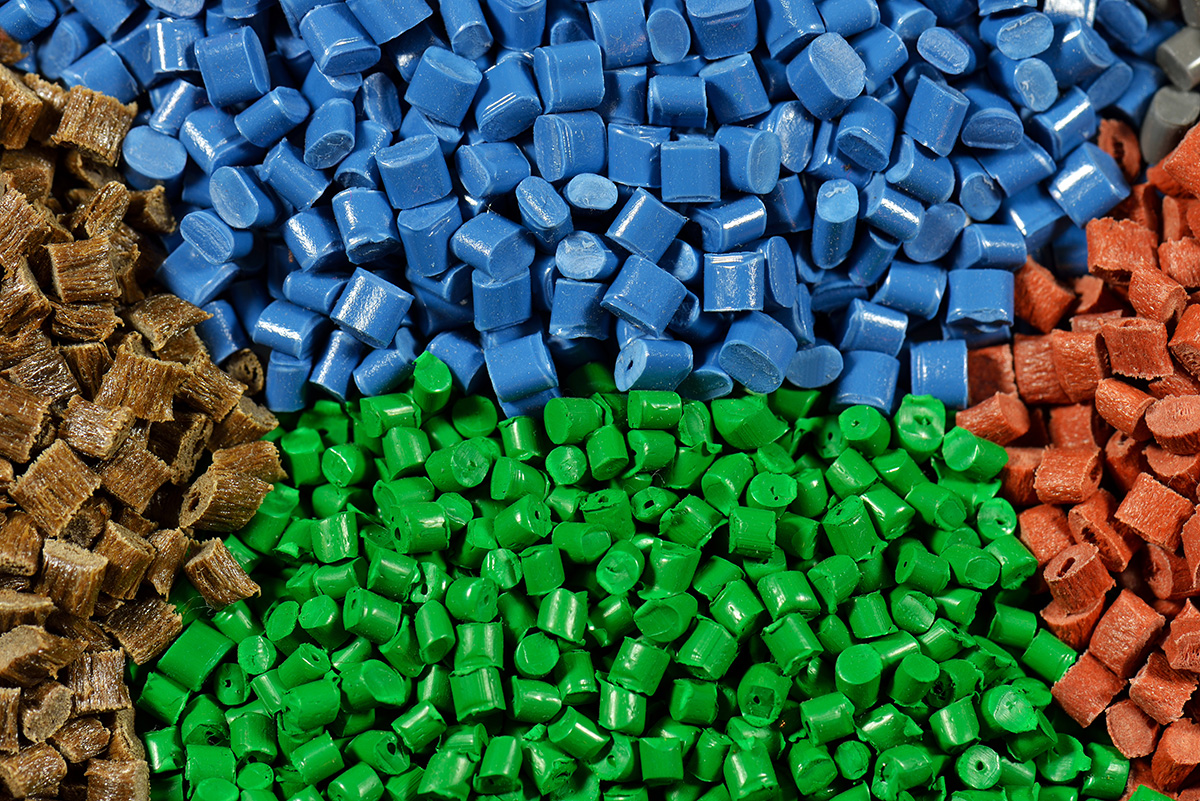
PureCycle maintains price expectations for its R-PP resin

The question used to be whether brands would commit to recycled polypropylene at scale. Now, according to the world’s largest plastic-to-plastic polypropylene recycler, the question is when.

PureCycle has spent the past several years proving its dissolution-based recycling process could produce food-grade polypropylene from post-consumer curbside waste, and the technical  successes are starting to translate into commercial momentum.

The timing couldn’t be more pointed. California’s permanent SB 54 regulations were approved May 1, producer registration closed as of June 1, and within days of approval, the Natural Resources Defense Council (NRDC) and Californians Against Waste (CAW) announced plans to sue CalRecycle over what they called unlawful exemptions and the improper recognition of certain technologies as recycling. The fight over what counts is now being hashed out.

The company has qualified its resin across a range of packaging formats, including butter tubs, cream cheese containers, quick-service restaurant dipping cups, food trays, take-out containers and cake icing packaging. That list now includes film.

“I don’t think anybody in the world can take post-consumer curbside waste and turn it into film,” said Dustin Olsen, PureCycle CEO, in a recent conversation with Resource Recycling. “It’s just hard to do, but we’ve done it successfully.”

That achievement, Olsen said, changed the conversation with brands. Technical credibility at scale generates inbound interest in a way that pilot projects don’t.

“We are qualified across a lot of different types of products,” he said. “We’re proving to the brands that it’s a solution that they can count on.”

That confidence has been accelerated by state-level EPR policy and especially by New Jersey’s recent decision to qualify PureCycle’s resin toward its minimum recycled content requirement.

“We had a lot of brands coming to us and saying, ‘Let’s go, finally we have it,'” Olsen said. “It gives clarity for the entire nation — helps California, helps New Jersey, helps the brands, and they’re coming out of the woodwork right now, asking us to help them find a solution for next year.”

SB 54’s full EPR program is scheduled to begin January 1, 2027, so brands are seeking qualified PCR supply for that launch window.

The infrastructure problem

EPR’s role, from PureCycle’s vantage point, is less about mandating behavior and more about solving a foundational market problem: recyclers can’t build infrastructure without demand signals, and brands can’t commit to recycled content supply that doesn’t exist yet.

“You’ve got to build the infrastructure to do the recycling, you’ve got to have the mandate for the recycling to build the infrastructure,” Olsen said. “I think EPR tries to solve that.”

The combination of EPR funding mechanisms paired with recycled content mandates, the model California and New Jersey have pursued, is the more durable framework, he said. One creates the supply pipeline; the other creates the demand pull.

Film is a particular pressure point. Flexible packaging has historically been among the hardest materials to route back into a circular supply chain, and the ability to produce film from curbside-collected PP gives brands a pathway that previously didn’t exist at commercial scale, one that now carries direct SB 54 compliance value.

Plastic-to-plastic as the preferred direction

The SB 54 litigation is trying to define a question Olsen has been helping legislators answer for years: what technologies should count as recycling?

The NRDC and Californians Against Waste suits argue CalRecycle’s finalized regulations improperly allow technologies that produce hazardous waste or convert plastic into fuel to qualify toward recycling targets. It’s the same fault line Olsen described when discussing how states are drawing the line between plastic-to-plastic solutions and plastic-to-fuel approaches.

PureCycle has engaged with lawmakers across roughly half of U.S. states on that question and says most are gravitating toward plastic-to-plastic over plastic-to-fuel.

The distinction has real policy consequences. Plastic-to-fuel processes convert plastic into gasoline, diesel or kerosene. Plastic-to-plastic recycling keeps the material in the value chain, and in the case of film, returns a difficult format back to its original use.

“The plastic-to-plastic solution that we’re offering is very different,” Olsen said, naming California, New Jersey, Colorado, Washington and Oregon as states moving in that direction.

Bins of bipartisan support

Recycling hasn’t had trouble finding friends across the legislative spectrum, and Olsen says that’s by design.

“Recycling is a kind of violently successful bipartisan movement,” he said. Florida, he noted, has seen recycling measures draw unanimous support from both parties. “No one wants to see plastic in the ocean. No one wants plastic in their food.”

As SB 54 heads toward litigation and other environmental policies face political headwinds, the broad-based support behind recycling legislation gives plastic-to-plastic EPR frameworks a durability that other sustainability mandates haven’t been able to successfully sustain or scale.

With brands now registered under SB 54 and courts preparing to weigh in on what recycling actually means under law, brands are registered, courts are watching and the definition of recycling is finally gaining more clarity.

Tags: EPRIndustry GroupsLegislation & EnforcementPolicy Now
TweetShare
Stefanie Valentic

Stefanie Valentic

Stefanie Valentic is an award-winning journalist who has covered the waste and recycling industry for more than five years. Throughout her career, she has led editorial teams and served as a keynote speaker, moderator and panelist at numerous trade shows and conferences.

Related Posts

From claims to custody: PCR procurement grows up

From claims to custody: PCR procurement grows up

byPuneet Thadani
July 10, 2026

In this guest column, the founder of Ecolar Global says the growing use of recycled content without standardized documentation presents...

APR adds PCR content verification to cert program

APR adds PCR content verification to cert program

byAntoinette Smith
July 9, 2026

The Association of Plastic Recyclers (APR) is expanding its PCR Certification Program to verify the percentage of PCR content in...

Unpacking the Starbucks cup data

Unpacking the Starbucks cup data

byAntoinette Smith
July 8, 2026

Upon close examination, data casting doubt on the coffee giant's recycling claims raises more questions than it answers.

SB 54 draft rules generate debate on rates, review

California increases PET market payments

byAntoinette Smith
July 7, 2026

While the state extended the incentive program, the status of a separate bill with similar goals is uncertain.

Two recycled-content bills gain approval in California

California agriculture seeks SB 54 repeal

byStefanie Valentic
July 7, 2026

A coalition of state agriculture stakeholders says the packaging law could add nearly $1,400 a year to household grocery costs...

In Our Opinion: Coalitions: The EPR Differentiator

Inside NAW’s constitutional case against packaging EPR

byStefanie Valentic
July 6, 2026

The National Association of Wholesaler-Distributors is fighting EPR in Oregon, and now in California too.

Load More
Next Post
Industry announcements for January 2026

Industry announcements for June 2026

More Posts

Two recycled-content bills gain approval in California

California agriculture seeks SB 54 repeal

July 7, 2026
Unpacking the Starbucks cup data

Unpacking the Starbucks cup data

July 8, 2026
Oregon’s Recycling Modernization Act faces injunction

Oregon’s EPR program posts first-year results

July 6, 2026
Tech giant pens detailed ‘plastic-free packaging’ guide

What Google’s latest report means for ITAD

July 8, 2026
In Our Opinion: Coalitions: The EPR Differentiator

Inside NAW’s constitutional case against packaging EPR

July 6, 2026
SB 54 draft rules generate debate on rates, review

California increases PET market payments

July 7, 2026
MP Materials breaks ground on rare earth magnet campus in North Texas

ERI confirms ITAD shift toward minerals

July 3, 2026
EPR fees are a market signal. Here’s what they’re telling you.

Building the infrastructure behind EPR

July 6, 2026
Auto Draft

Digital product passports offer gateway into secondary market

July 7, 2026
Canada EV battery reuse pilot to start

Canada EV battery reuse pilot to start

July 8, 2026
Load More

About & Publications

About Us

Staff

Archive

Magazine

Work With Us

Advertise
Jobs
Contact
Terms and Privacy

Newsletter

Get the latest recycling news and analysis delivered to your inbox every week. Stay ahead on industry trends, policy updates, and insights from programs, processors, and innovators.

Subscribe

Welcome Back!

Login to your account below

Forgotten Password?

Retrieve your password

Please enter your username or email address to reset your password.

Log In

Add New Playlist

No Result
View All Result
  • The Latest
  • Analysis
  • Recycling
  • E-Scrap
  • Plastics
  • Policy Now
  • Conferences
    • E-Scrap Conference
    • Plastics Recycling Conference
    • Resource Recycling Conference
    • Textiles Recovery Summit
  • Magazine
  • About Us
  • Advertise
  • Archive
  • Jobs
  • Staff
Subscribe
This website uses cookies. By continuing to use this website you are giving consent to cookies being used. Visit our Privacy and Cookie Policy.