Resource Recycling
  • The Latest
  • Analysis
    • All
    • Certification Scorecard
    • Industry Announcements
    • Opinion
    ESG

    Foreign equity is moving into North America’s e-scrap origination

    From claims to custody: PCR procurement grows up

    Certification Scorecard — Week of August 17, 2026

    Sorted: Country roads, take my recycling

    State program revamp proposal advances in Oregon

    Oregon EPR ruling looms: what legal experts think

    Triple-digit revenue gains propel ABTC’s expansion

    LFP batteries gain acceptance. Can they be recycled?

    May pricing bullish for most bales

    August pricing bearish for plastic bales

  • Conferences
    • Resource Recycling Conference
    • Plastics Recycling Conference
    • E-Scrap: The Longevity Conference
    • Textiles Recovery Summit
  • Publications
    • E-Scrap News
    • Plastics Recycling Update
    • Policy Now
    • Resource Recycling
    • Other Topics
      • All Topics
      • Brand Owners
      • Critical Minerals
      • Glass
      • Grant Watch / RFPs
      • Markets
      • Organics
      • Packaging
      • Research
      • Technology
      • Textiles
Subscribe
No Result
View All Result
Resource Recycling
  • The Latest
  • Analysis
    • All
    • Certification Scorecard
    • Industry Announcements
    • Opinion
    ESG

    Foreign equity is moving into North America’s e-scrap origination

    From claims to custody: PCR procurement grows up

    Certification Scorecard — Week of August 17, 2026

    Sorted: Country roads, take my recycling

    State program revamp proposal advances in Oregon

    Oregon EPR ruling looms: what legal experts think

    Triple-digit revenue gains propel ABTC’s expansion

    LFP batteries gain acceptance. Can they be recycled?

    May pricing bullish for most bales

    August pricing bearish for plastic bales

  • Conferences
    • Resource Recycling Conference
    • Plastics Recycling Conference
    • E-Scrap: The Longevity Conference
    • Textiles Recovery Summit
  • Publications
    • E-Scrap News
    • Plastics Recycling Update
    • Policy Now
    • Resource Recycling
    • Other Topics
      • All Topics
      • Brand Owners
      • Critical Minerals
      • Glass
      • Grant Watch / RFPs
      • Markets
      • Organics
      • Packaging
      • Research
      • Technology
      • Textiles
Subscribe
No Result
View All Result
Resource Recycling
No Result
View All Result
Home Recycling

Groups question US-Canada Basel arrangement

Colin StaubbyColin Staub
December 15, 2020
in Recycling
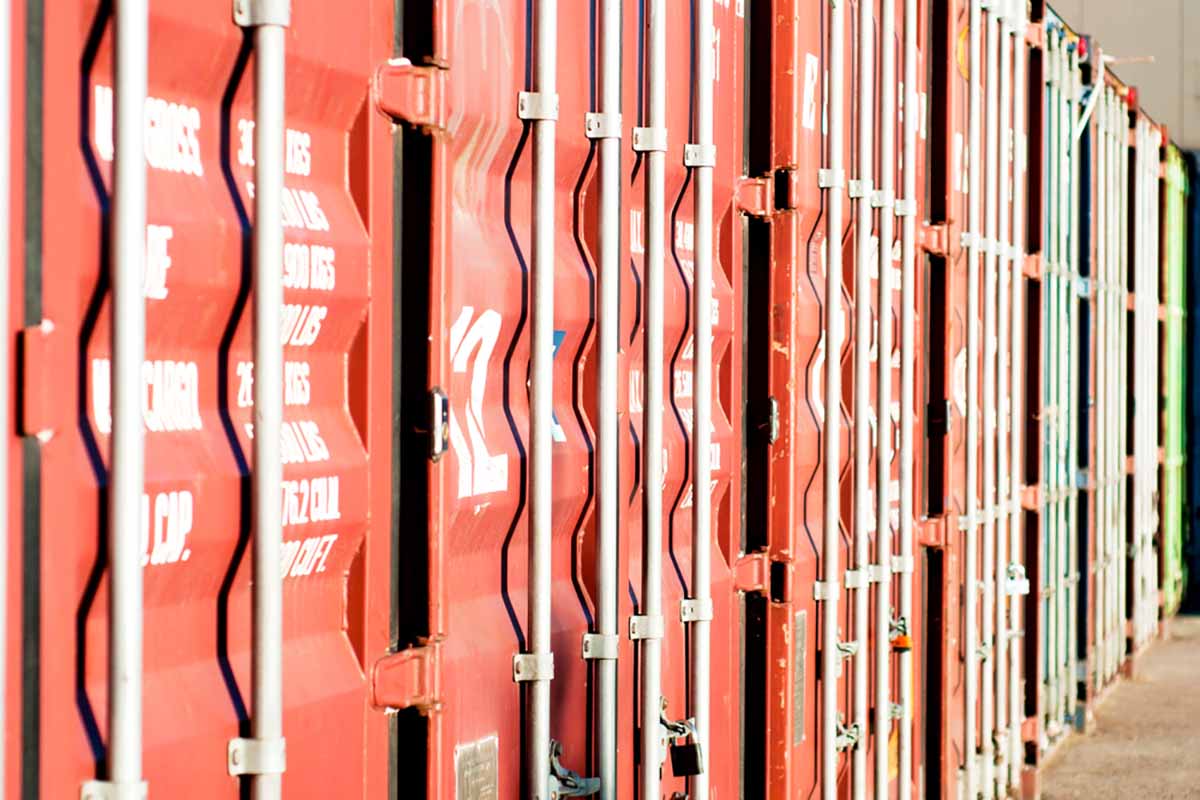
Because the U.S. is not a party to the Basel Convention, exports to the 180-plus countries that are parties to the convention will be more complicated, or may even be prohibited by local laws. | AnkaFed/Shutterstock

The U.S. government has made public an agreement with Canada to continue scrap plastic shipments despite global regulations tightening next year. Environmental advocates are troubled by the deal.

The U.S. State Department on Dec. 7 published the text of a recent U.S.-Canada agreement covering the trade of recycled plastic between the two countries. The Canadian government published the agreement as well.

Signed by both countries in October, the agreement aims to maintain the countries’ plastic trade relationship in light of upcoming changes to global rules on scrap plastic shipments. The Basel Convention, a global treaty on waste shipments, will begin tighter scrutiny on scrap plastic shipments next year.

A coalition of environmental organizations expressed concern with the new U.S.-Canada agreement, and they are asking the Canadian government to adopt stricter control measures for scrap plastic trade with the U.S.

“In addition to the secretive manner in which the agreement was negotiated, we are concerned that in signing the agreement Canada will be in violation of its legal obligations under the Basel Convention when the Convention’s plastic wastes provisions come into effect on January 1, 2021,” the organizations wrote in a Dec. 2 letter.

The letter was signed by the Basel Action Network and RightOnCanada.ca on behalf of themselves and the International Pollutants Elimination Network (IPEN), the Center for International Environmental Law (CIEL), Friends of the Earth, HEJSupport, Environmental Investigation Agency, the Global Alliance for Incinerator Alternatives, the Plastic Pollution Coalition, The Last Beach Cleanup and the Surfrider Foundation.

Agreement maintains existing guidelines

Numerous countries will incorporate new Basel Convention rules on scrap plastic imports beginning in January. The rules generally increase oversight of scrap plastic shipments, by requiring exporters to provide notification and receive consent from importing countries before shipping scrap plastic.

Because the U.S. is not a party to the Basel Convention, exports to the 180-plus countries that are parties to the convention will be more complicated, or may even be prohibited by local laws. Experts are uncertain exactly how trade between the U.S. and party countries will be impacted.

With the new U.S.-Canada agreement, which is part of a wider Basel Convention trade arrangement between the two countries, the upcoming scrap plastic shipment restrictions would seemingly not cover most material moving across the U.S.-Canada border. Canada is the largest importer of U.S. scrap plastic.

The document references environmental and economic benefits from the global trade of recyclables. It also describes both countries’ “longstanding commitment to the environmentally sound management of waste and scrap, and their record of successful coordination and cooperation concerning the transboundary movement of waste and scrap,” according to the text.

Citing these and other factors, the agreement suggests trade of non-hazardous recyclables, which includes typical scrap plastic exports, will continue under their current guidelines. These include both countries having the capacity and intention to manage this material “in an environmentally sound manner,” whether it is recycled, disposed of or processed in another manner.

Groups take issue with deal

In their letter, the environmental advocacy organizations laid out several key concerns with the U.S.-Canada agreement.

They stated that, in order to meet Basel Convention rules on agreements between a party and non-party country, the U.S.-Canada agreement must include provisions that are “not less environmentally sound” than the terms of the Basel Convention. The letter makes the case that if the U.S.-Canada plastic trade continues as normal, it will be less environmentally sound than if it were subject to Basel Convention rules.

“We are deeply concerned that the Canada-United States Arrangement on export of plastic wastes, which Canada initiated and signed on October 26, 2020, thus does not comply with the Basel Convention and further sends a message to the world that Canada is willing to violate international law and wants the environmental trade rules they helped negotiate to apply to others but not to themselves or their trading partners,” the letter stated.

The environmental groups also expressed trepidation that the agreement could allow Canadian exporters to ship material to the U.S. and have it be exported from there without the Basel Convention controls. Canada’s environmental protection department, Environment and Climate Change Canada, wrote in a summary of the agreement that this type of trade would be “excluded from the Arrangement” between the two countries.

Environment and Climate Change Canada declined to comment to Resource Recycling on the letter by press time. However, the department wrote that the U.S.-Canada pact is compatible with the terms of the Basel Convention.

“The principles of the Arrangement are based on the environmentally sound management of non-hazardous waste and scrap traded between Canada and the United States,” the department stated in its summary document. “The Arrangement affirms that Canada and the United States manage such waste in an environmentally sound manner, and intend to maintain measures to provide for the environmentally sound management of such waste and scrap in order to protect human health and the environment.”

A version of this story appeared in Plastics Recycling Update on December 9.

 

Tags: CanadaPlasticsTrade & Tariffs
TweetShare
Colin Staub

Colin Staub

Colin Staub was a reporter and associate editor at Resource Recycling until August 2025.

Related Posts

EPA takes a closer look at lithium-ion batteries

North American battery recycling market expected to surge

byPaul Lane
August 19, 2026

A new report cites growing EV demand and government intervention as the reasons for expected recycling growth.

Bags of collected agricultural twine for Cleanfarms twine recycling contest

News in Brief: August 10, 2026

byIsabella Burke
August 10, 2026

An Alberta twine recycling contest, Pellitteri expands waste and recycling services into the Milwaukee area and the Canadian government awards...

New federal rule restricts black mass, tungsten scrap exports

byStefanie Valentic
August 5, 2026

A new BIS rule requires US sellers of black mass and tungsten scrap to allocate 100% of monthly sales domestically...

Facility fires on pace to match 2025

byPaul Lane
July 29, 2026

The mid-year report from Fire Rover found the number of fire incidents remains elevated compared to historical averages.

Canada EV battery reuse pilot to start

Canada EV battery reuse pilot to start

byPaul Lane
July 8, 2026

Mapleview Energy is testing the use of older EV batteries to store solar energy gathered on a farm in Fergus,...

Lithium-ion battery recycler to build New York facility

Earthworks acquires metals sorting tech

byPaul Lane
July 1, 2026

The system that’s now owned by Earthworks Industries will help it maximize critical mineral recovery efforts.

Load More
Next Post

Scrap paper, plastic and metal prices all rise in December

2026 Buyers’ Guide

Equipment, services and technology suppliers serving the recycling industry.

Browse the Guide

More Posts

The Maine state capitol in Augusta.

Circular Action Alliance won’t bid on Maine’s PRO contract

August 19, 2026
The Maine state capitol building.

No bidders respond to Maine’s EPR RFP

August 20, 2026
Company debuts battery-containing device shredder

New battery shredding system debuts stateside

August 20, 2026
State program revamp proposal advances in Oregon

Oregon EPR ruling looms: what legal experts think

August 17, 2026
PureCycle sees easing headwinds to R-PP adoption

PureCycle says H2 outlook already playing out 

August 13, 2026
ESG

Foreign equity is moving into North America’s e-scrap origination

August 19, 2026
Google explores how to capture 4.5 billion tons of plastic

Bale pricing diverges for August

August 18, 2026
End markets, policy key to RPET viability

PET in focus: Is help on the way?

August 17, 2026
Triple-digit revenue gains propel ABTC’s expansion

LFP batteries gain acceptance. Can they be recycled?

August 17, 2026
May pricing bullish for most bales

August pricing bearish for plastic bales

August 17, 2026
Load More

About & Publications

About Us

Staff

Archive

Magazine

Work With Us

Advertise
Jobs
Contact
Terms and Privacy

Newsletter

Get the latest recycling news and analysis delivered to your inbox every week. Stay ahead on industry trends, policy updates, and insights from programs, processors, and innovators.

Subscribe

Welcome Back!

Login to your account below

Forgotten Password?

Retrieve your password

Please enter your username or email address to reset your password.

Log In

Add New Playlist

No Result
View All Result
  • The Latest
  • Analysis
  • Recycling
  • E-Scrap
  • Plastics
  • Policy Now
  • Conferences
    • E-Scrap Conference
    • Plastics Recycling Conference
    • Resource Recycling Conference
    • Textiles Recovery Summit
  • Magazine
  • About Us
  • Advertise
  • Archive
  • Jobs
  • Staff
Subscribe
This website uses cookies. By continuing to use this website you are giving consent to cookies being used. Visit our Privacy and Cookie Policy.