



Editor’s note: Policy for batteries and electronics is among the sessions at the 2026 E-Scrap Conference, Oct. 26-28 in New Orleans. Register today!
A bill overhauling California’s battery stewardship law has cleared the Legislature and now awaits Gov. Gavin Newsom’s signature.
As Resource Recycling reported last week, SB 501, authored by Sen. Benjamin Allen (D-Santa Monica), passed the Assembly 62-14 on Aug. 24. The Senate concurred with the Assembly’s amendments as lawmakers wrapped up the 2025-26 session on Aug. 31, sending the bill to the governor’s desk.
The measure restructures how the state’s Responsible Battery Recycling Act of 2022 classifies covered batteries. Instead of exempting large primary and rechargeable batteries from the program, the bill eliminates those weight-based exclusions entirely and sorts all covered batteries into two new categories, “small format” and “medium format,” based on weight and watt-hour rating.
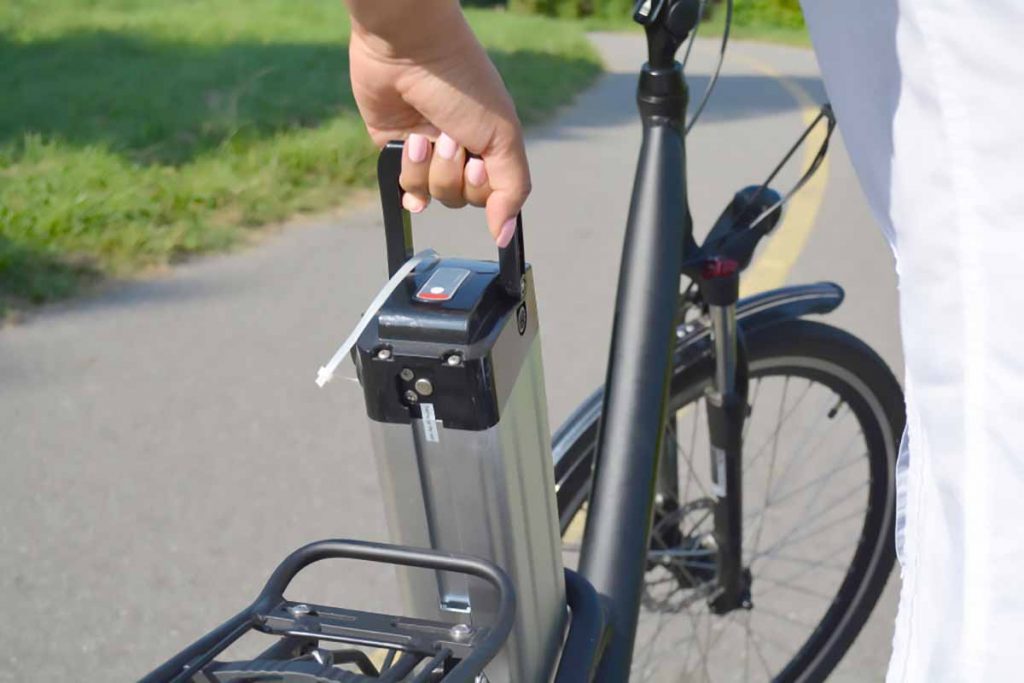
The medium-format tier is aimed at batteries used in e-bikes, outdoor lawn equipment and portable power systems. Stewardship plans will need to detail collection-site coverage for each category separately.
The amended bill text also tightens oversight. Stewardship organizations must demonstrate adequate financial controls, audits will follow US Generally Accepted Accounting Principles (GAAP) codification and program operators will need to show they’re hitting minimum recycling rates by battery type.
Record retention requirements were raised from three years to five, extending how long producers, program operators and stewardship organizations must keep records such as collection, transportation and recycling data accessible to the department.
The Department of Toxic Substances Control also gains expanded inspection authority over producers, recyclers and collection sites.
The bill swaps required consultation from CalEPA’s Environmental Justice Task Force to the department’s Office of Environmental Justice, Tribal Relations, Education and Outreach and adds coordination with California Native American tribes.
SB 501 is co-sponsored by the National Stewardship Action Council, the Resource Recovery Coalition of California and the Rural County Representatives of California, which have argued the measure shifts the cost of managing battery fires and disposal from ratepayers and local governments onto producers. Recology, Republic Services, Californians Against Waste and the California Product Stewardship Council are also on record in support.
The bill has drawn opposition from Redwood Materials, which argued in bill analysis that lithium-ion batteries shouldn’t fall under the measure. The battery recycler said SB 501 favors a single third-party collection entity “that does not actually recycle the materials they receive,” saying the state should instead lean on established e-waste and metals recycling infrastructure.
The American Chemistry Council, Can Manufacturers Institute and California Retailers Association originally opposed the bill over logistical and compliance concerns, but removed their opposition on June 15 following amendment of the legislation.
Newsom has until Oct. 14 to sign or veto bills passed in the session’s final days. He signed the original Responsible Battery Recycling Act in 2022.
Editor’s Note: This article has been updated to reflect the neutral stance of American Chemistry Council, Can Manufacturers Institute and California Retailers Association. The groups were not removed from the August 24th Senate Floor analysis, incorrectly listing them as opposed.