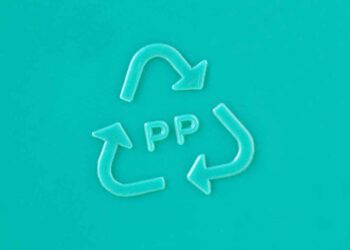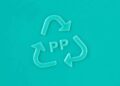






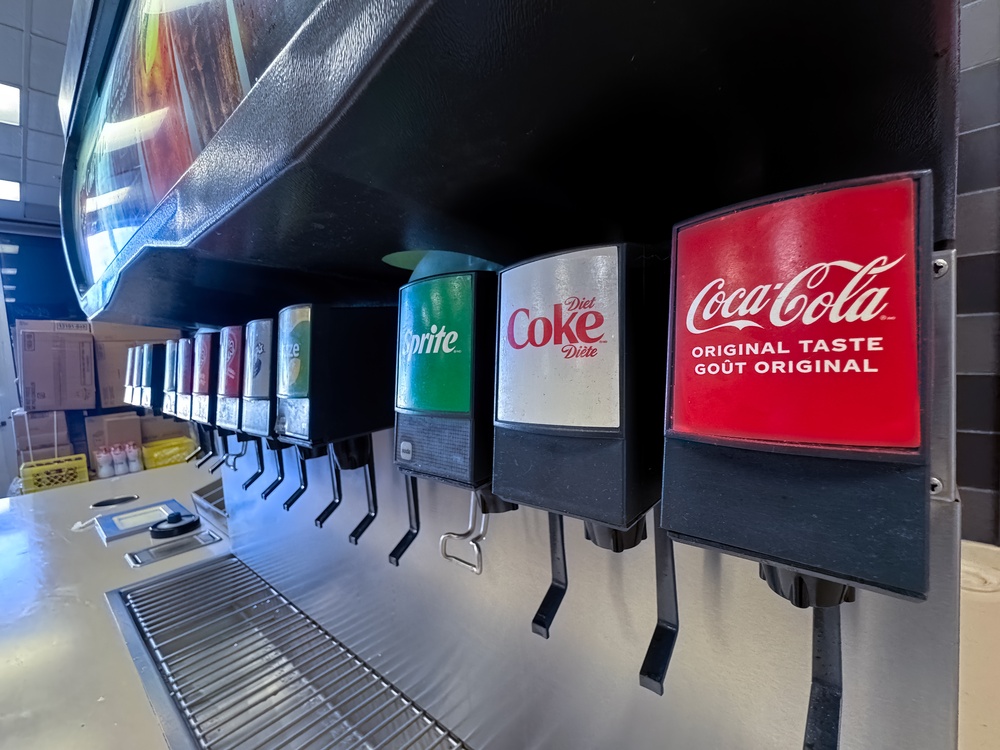
Coca-Cola Beverages Florida is replacing foam cups in its foodservice portfolio with PP cups, while also pursuing collection programs to better measure whether the new cups reach recyclers.
“Our work has focused on replacing foam with a material that has a potential recycling pathway and supporting customer education,” said Erin Black, senior vice president of sustainability and risk management at Coke Florida.
Coke Florida recently began supplying customers with PP cups in 16-, 21-, 32- and 40-ounce sizes.
PP acceptance varies by hauler, local program and MRF, Black noted. Customers must check with local service providers for acceptance, and follow requirements for collection, cleanliness and preparation.
The nation’s largest hauler and recycler, WM, added PP cold-beverage cups to its universal list of accepted recyclable materials in November 2025. In early 2026, PP cups achieved the “widely recyclable” designation from How2Recycle, meaning that at least 60% of US households have access to recycling programs that accept them. WM also recently chronicled the recycling path of a PP cup in a video on its website.
Pursuit of traceability
PP cold-drink cups have been subject to intense scrutiny this year, amid the increased acceptance in local recycling programs.
Earlier this year, an anti-plastics group used electronic tracking devices in an attempt to disprove claims from the Starbucks coffee chain about the recyclability of its PP cups.
Black pointed out that Coke Florida’s material change does not establish that every customer has a recycling outlet, and that the company “is not currently representing that we have complete chain-of-custody data showing how much of the cup material ultimately reaches a recycler.”
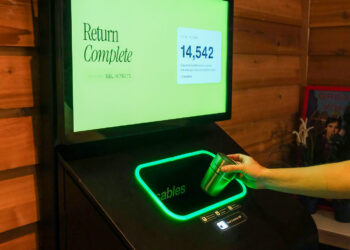
Looking ahead, Coke Florida is evaluating controlled recovery programs, particularly at venues and other locations where beverages are consumed away from home. Those settings could allow collection, contamination and downstream disposition to be measured.
The priorities follow Florida Recycles Day, the Nov. 18 gathering at the University of Florida TREEO Center in Gainesville. Hosted by the Florida Recycling Partnership Foundation and Florida Department of Environmental Protection, the program included recycling technology and collection away from home.
The company also undergoes periodic independent audits, which analyze waste leaving each location and its downstream management, using supporting records from haulers and material-management organizations, Black said.
Coke Florida obtained GreenCircle recognition for its continued diversion of 100% of manufacturing waste from landfills. Such plant certifications concern operational waste, while recovering cups and bottles after use depends on separate collection and recycling arrangements.
At the plants, difficult materials include contaminated or mixed streams, materials that are hard to separate and volumes too small to sustain a consistent local market.
“Our approach has been to improve source separation, standardize facility processes and work with haulers and specialized material-management organizations to identify viable downstream outlets,” Black said.
Plastic collection and preparation practices can affect recovery value. Coke Florida has worked with vendors to change how material is handled when mixing, compaction or transportation makes it difficult to process. The company also shifted plastic pallet recycling directly to a downstream partner.
Black said costs and commodity values vary with material, location, transportation distance and market conditions.
“Our focus is on reducing landfill disposal, improving material value and maintaining reliable, verifiable outlets,” she said.
Bottle recovery
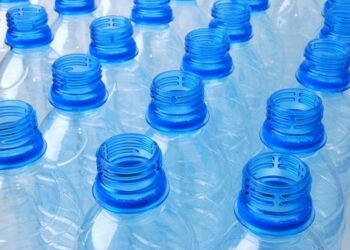
The company’s bottle recovery work faces a separate measurement question: how much recycled PET is used across its portfolio. Coke Florida did not provide an aggregate percentage, saying content varies by brand, package, size and source of supply.
A portfolio percentage would require a validated calculation at the package level, Black said.
Certain packages in the broader Coca-Cola portfolio contain 100% recycled PET, excluding caps and labels, though that specification does not apply to every PET bottle Coke Florida produces or distributes.
The bottler’s role includes improving the quantity and quality of recovered beverage packaging through collection access, contamination reduction and recovery infrastructure. It cited Florida beverage-industry and community programs that expanded recycling access to more than 894,000 residents and are expected to divert approximately 6.4 million pounds of PET and 2.1 million pounds of aluminum from landfills.
Those figures describe shared programs and projected material recovery, rather than completed diversion attributable solely to Coke Florida. The industry’s Every Bottle Back initiative lists $1.4 million in investments across four Florida communities.
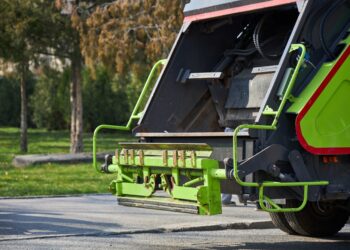
The initiative reports a 23% reduction in recycling contamination following education efforts reaching 280,000 Jacksonville households. In Pensacola, a $236,250 investment supported truck-mounted AI cameras and education as the city worked to reintroduce recycling. Miami-Dade County’s project pairs smart cameras with targeted resident education.
In Levy County, a $130,000 investment supported five large recycling containers and resident education while upgrading temporary convenience sites into permanent recycling drop-off locations.
Over the next year, Coke Florida plans to emphasize collection away from home, better material quality and greater visibility into downstream handling. It will establish measurable targets for individual projects after confirming partners, baseline conditions, scope and end markets.
“Our goal is to focus on practical programs where environmental outcomes can be measured and improvements can be demonstrated over time,” Black said.