





Resource Recycling
  • The Latest
  • Analysis
    • All
    • Certification Scorecard
    • Industry Announcements
    • Opinion
    Back-to-school 2026/27: Apple vs. Google

    Back-to-school 2026/27: Apple vs. Google

    Certification Scorecard — Week of May 11, 2026

    May pricing bullish for most bales

    May pricing bullish for most bales

    PP most likely plastic to shift in 2026

    PP most likely plastic to shift in 2026

    CompuCycle brings e-plastic recycling upgrade online

    Quantum expands e-plastics recovery

    Certification Scorecard — Week of May 4, 2026

  • Conferences
    • Resource Recycling Conference
    • Plastics Recycling Conference
    • E-Scrap: The Longevity Conference
    • Textiles Recovery Summit
  • Publications
    • E-Scrap News
    • Plastics Recycling Update
    • Policy Now
    • Resource Recycling
    • Other Topics
      • Brand Owners
      • Critical Minerals
      • Glass
      • Grant Watch
      • Markets
      • Organics
      • Packaging
      • Research
      • Technology
      • Textiles
      • All Topics
Subscribe
No Result
View All Result
Resource Recycling
  • The Latest
  • Analysis
    • All
    • Certification Scorecard
    • Industry Announcements
    • Opinion
    Back-to-school 2026/27: Apple vs. Google

    Back-to-school 2026/27: Apple vs. Google

    Certification Scorecard — Week of May 11, 2026

    May pricing bullish for most bales

    May pricing bullish for most bales

    PP most likely plastic to shift in 2026

    PP most likely plastic to shift in 2026

    CompuCycle brings e-plastic recycling upgrade online

    Quantum expands e-plastics recovery

    Certification Scorecard — Week of May 4, 2026

  • Conferences
    • Resource Recycling Conference
    • Plastics Recycling Conference
    • E-Scrap: The Longevity Conference
    • Textiles Recovery Summit
  • Publications
    • E-Scrap News
    • Plastics Recycling Update
    • Policy Now
    • Resource Recycling
    • Other Topics
      • Brand Owners
      • Critical Minerals
      • Glass
      • Grant Watch
      • Markets
      • Organics
      • Packaging
      • Research
      • Technology
      • Textiles
      • All Topics
Subscribe
No Result
View All Result
Resource Recycling
No Result
View All Result
Home Plastics

APR training highlights challenges in film recycling

Antoinette SmithbyAntoinette Smith
May 7, 2025
in Plastics
APR training highlights challenges in film recycling
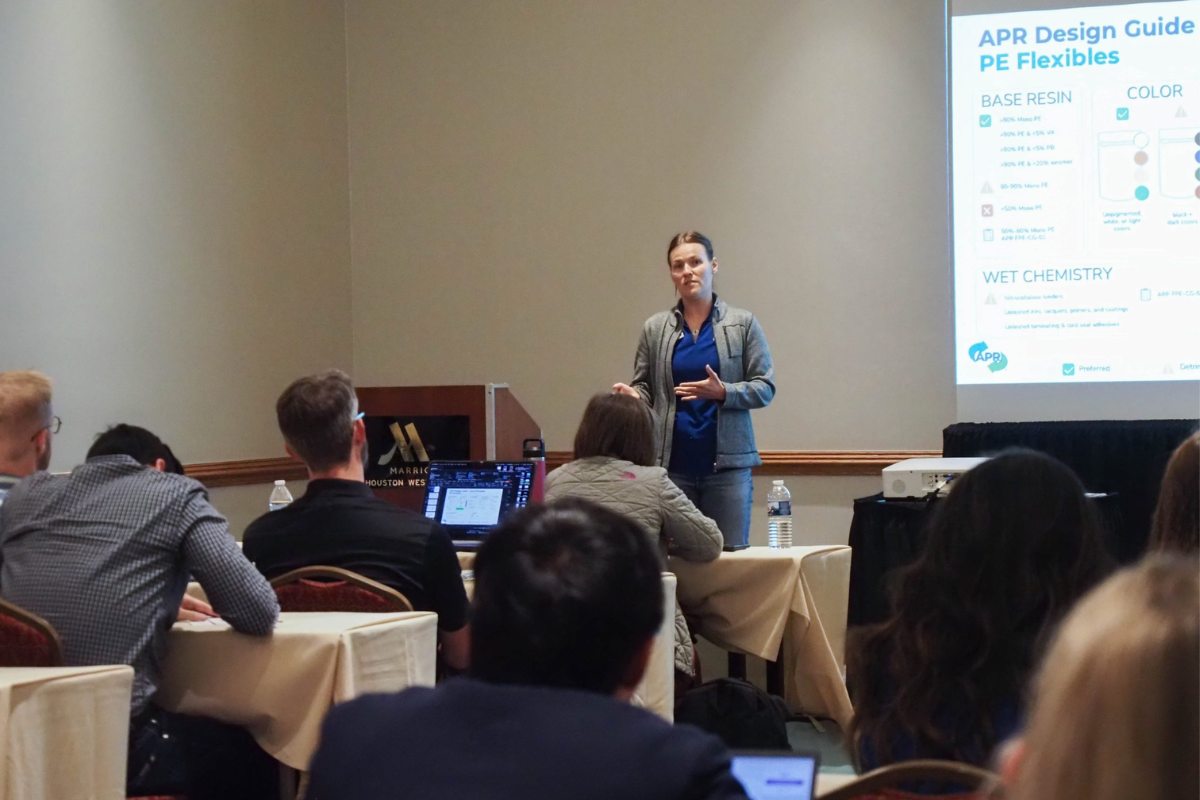
Rebecca Mick, program director of film and packaging innovation for APR, presented design guidance at a recent training session. | Tan Sackett/APR

Industry leaders and packaging design engineers explored the challenges to recycling film and flexible plastics during an inaugural packaging design training session recently in Houston.

The Association of Plastic Recyclers conducted the training on April 29. APR owns Resource Recycling, Inc., publisher of Plastics Recycling Update. 

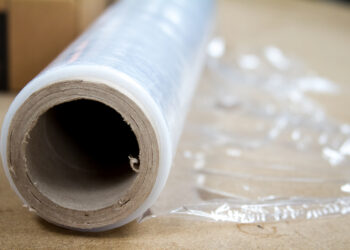
Film and flexible packaging, or FFP, encompasses a broad array of materials, from PE pallet wrap to multi-material pouches that may include metallic layers. This complexity adds to the difficulty in identifying viable and cost-effective recycling solutions with sustainable end markets, according to a 2024 report prepared by consultant Eunomia for APR. 

The training session featured highlights from the report, “How to Scale the Recycling of Flexible Film Packaging,” which explores the economic case for using pyrolysis to help increase processing of polyolefin FFP collected from households, and ultimately to incentivize MRFs to collect plastic film.

Pyrolysis is a form of chemical recycling that uses high heat and pressure to break apart chemical bonds in plastic to create pyrolysis oil, which can then be used in place of virgin fossil fuel either to create plastics or in other applications.

Processing hurdles are many and varied

The most problematic contaminant is paper labels, said Curt Cozart, chief operating officer at APR, who led the training session. Paper impacts the quality of recycled film by causing higher incidences of tiny imperfections called gels, enhancing undesirable odors and affecting color of the final product. Although polymer labels are available, they increase costs for source materials. 

Collection of post-use plastic film presents a challenge, with many MRFs unable to accept the material because it quickly tangles in sorting equipment. This endangers workers tasked with resolving the snags and leads to costly equipment downtime. 

In addition, post-use film is among the lower-value recycled commodities. Since 2018, B-grade film bales — typically consisting of about 80% film — have averaged 2-8 cents per pound. And during that time C-grade bales, also known as MRF bales, have been no higher than 2 cents per pound, according to historical pricing data from RecyclingMarkets.net. With trucking costs typically running about 3-5 cents per pound, transportation from collection point to processor can easily turn margins negative for film recycling, even before secondary sorting costs are factored in. 

In comparison, PET bales have been as high as 39.56 cents, in May 2022, and HDPE natural bales hit a record high of 108.44 cents in April 2025. 

Despite the challenges, WM-owned Natura PCR as well as Nova Chemicals feature mechanical recycling for LDPE and LLDPE films. Both tend to focus on A-grade film bales, which typically consist of 95-99% clear film, and Natura and Nova each have received no-objection letters from the U.S. Food and Drug Administration for food-grade applications for LLDPE. 

The training included a tour of a new facility at Natura PCR’s site in Waller, Texas, northwest of Houston. 

Plastic film also has been the subject of local or state bans. While well-intentioned, such bans can have unintended consequences, according to a study at the University of California-Riverside and an industry-backed report. Before California voted to expand its ban on plastic bags, an industry coalition lobbied against it, arguing that paper bags consume more water and energy to produce and that a ban would harm the state’s recycling industry. 

One alternative to bans that the industry has suggested is behavior-focused campaigns to reduce use of plastic bags. A pilot project by an industry-led group found that when retail stores encouraged consumers to bring their own bags or opt out of using one, nearly 5% fewer single-use plastic bags were used.

Chemical recycling as an end use

Although it seems to be emerging as a key outlet for films and flexible packaging and a complement to mechanical recycling, the nascent chemical recycling industry itself has struggled to find footing. The most common method, pyrolysis, can break down multilayer packaging into a reusable feedstock, but such projects are costly and as such must target large volumes of inexpensive feedstocks to ensure profitability. 

By 2030, the residential FFP stream is expected to grow to about 7.1 million tons, according to the Eunomia study. Of those volumes, 5.6 million tons could be available for pyrolysis, the report estimates, with about 40% of those available volumes becoming suitable as the result of packaging design adapted for recyclability, using techniques such as those detailed in the APR training. 

US, Canadian approaches differ

Elena Mantagaris, senior advisor for Canadian initiatives at APR, noted during the training session that Canada has taken a different approach to extended producer responsibility legislation for packaging than in the United States. 

In several new provincial EPR programs taking effect this year, Canada approaches residential recycling by collecting a wide variety of consumer packaging materials and figuring out what to do with it later, in a consumer-driven approach, Mantagaris said. 

In contrast, the U.S. tends to build recycling infrastructure based on existing end markets, as evidenced by the predominance of rigid plastics recycling, and works to get consumers to adapt their behavior to the established structure, said APR’s Cozart. He added that introducing money into the system could incentivize development of a mono-material approach. 

In general, however, there’s only so much consumer education that can yield net positive results, Mantagaris said, adding that some nuances are too complex for consumers to understand, such as polymer type, additives and so on. “So just put it in the box and let us sort it out,” she said of Canada’s approach.

In addition, a 2024 study found flexible materials account for 47% of the plastic packaging put into the Canadian market. 

About 40 people attended the inaugural event. APR has long provided packaging design training but only recently introduced the film and flexibles track. 
Tags: Film & Flexibles
TweetShare
Antoinette Smith

Antoinette Smith

Antoinette Smith has been at Resource Recycling Inc., since June 2024, after several years of covering commodity plastics and supply chains, with a special focus on economic impacts. She can be contacted at [email protected].

Related Posts

Film end user boasts greater sales

Trex points to strength from recycled film feedstock

byAntoinette Smith
May 8, 2026

Despite persistent softness in the construction sector, the deck and railing company is leaning into marketing and innovation to convert...

PureCycle sees long-term upside from Iran war

PureCycle sees long-term upside from Iran war

byAntoinette Smith
May 7, 2026

War-related supply constraints have pushed virgin resin prices much higher while feedstock bales for recycled PP have seen less dramatic...

Wineries help create model for film recycling

Wineries help create model for film recycling

byAntoinette Smith
April 7, 2026

A collaboration between California wineries and the recycling value chain has provided a closed-loop model the partners aim to see...

Flexibles players push for collaboration, balance

Flexibles players push for collaboration, balance

byAntoinette Smith
March 31, 2026

Charter Next Generation and flexible packaging associations are making the case for regulations that reflect recycling realities, and balance performance...

ag plastics field

Ag industry holds potential for recycling feedstock

byStefanie Valentic
March 24, 2026

With less than 15% of US agricultural plastics currently being recycled, insiders say the gap between what's possible and what's...

Closeup of Trex composite flooring installed in a restaurant.

Trex gears up for new plastic board plant

byAntoinette Smith
March 24, 2026

The company is still determining when to start production in Little Rock, as it works toward vertical integration in the...

Load More
Next Post

EPR for Maryland: How SB 901 became law

More Posts

Extruder pushes out natural HDPE pellets at KW Plastics in Troy, Alabama.

Rare look inside the world’s largest plastics recycler

May 13, 2026
Lawsuits hover days after SB 54 approval

Lawsuits hover days after SB 54 approval

May 6, 2026
Industry descends on DC to fight for PET

Industry descends on DC to fight for PET

May 13, 2026

American Battery Technology confirms second site

May 13, 2026
Orange County landfill fees to spike 53%

Orange County landfill fees to spike 53%

May 11, 2026

PP bales rise, paper grades edge higher

May 11, 2026
APR, industry groups testify on overcapacity

APR, industry groups testify on overcapacity

May 8, 2026
Canadian city walks back fee on paper coffee cups

Recycling access for paper cups hits 20% of US

May 11, 2026
PP most likely plastic to shift in 2026

PP most likely plastic to shift in 2026

May 8, 2026
New version of California EPR regulations released

CalRecycle approves SB 54 regulations

May 2, 2026
Load More

About & Publications

About Us

Staff

Archive

Magazine

Work With Us

Advertise
Jobs
Contact
Terms and Privacy

Newsletter

Get the latest recycling news and analysis delivered to your inbox every week. Stay ahead on industry trends, policy updates, and insights from programs, processors, and innovators.

Subscribe

Welcome Back!

Login to your account below

Forgotten Password?

Retrieve your password

Please enter your username or email address to reset your password.

Log In

Add New Playlist

No Result
View All Result
  • The Latest
  • Analysis
  • Recycling
  • E-Scrap
  • Plastics
  • Policy Now
  • Conferences
    • E-Scrap Conference
    • Plastics Recycling Conference
    • Resource Recycling Conference
    • Textiles Recovery Summit
  • Magazine
  • About Us
  • Advertise
  • Archive
  • Jobs
  • Staff
Subscribe
This website uses cookies. By continuing to use this website you are giving consent to cookies being used. Visit our Privacy and Cookie Policy.