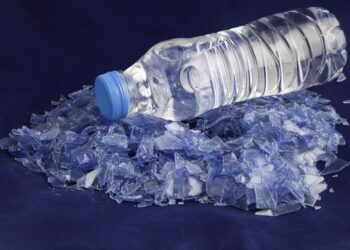






Taiwan becomes the latest Asian country to restrict recyclables imports, and China confirms post-industrial plastic will be banned from import at the end of the year.
Here’s a roundup of the latest developments in the top U.S. scrap plastic export markets.
Taiwan: Scrap material imports have risen sharply this year, and Taiwan’s environmental protection agency in October acted to tamp down the trend.
In early October, regulations took effect reducing the types of material allowed for import. According to the Tai Pei Times, companies can only import post-industrial plastic from their overseas production facilities or loads of a single material type. It’s unclear whether certain polymers are banned altogether. Recycled paper imports have also been heavily limited.
In response, on Sept. 26, the CMA-CGM shipping line immediately suspended plastic and certain paper recyclables shipments to Taiwan, in accordance with “local regulation to curb imports of waste plastic and paper.”
Shipping company APL also added Taiwan to the list of countries it will not ship scrap plastic to as of early October.
Another shipping line, Hapag-Lloyd, told customers that loads in violation of the new restrictions would be returned with penalty charges to the exporter. As a result, Hapag-Lloyd is requiring plastic exporters to submit a letter of indemnity before a shipment can take place.
Vietnam: The ban on recovered plastic imports coming through major Vietnamese ports was scheduled to end on Oct. 15, but it has since been extended until further notice.
The day after the ban was scheduled to end, shipping line Hapag-Lloyd reported to customers that the restriction was instead extended “onwards until further notice.” The company reminded customers that, despite the ban covering specific ports, Hapag-Lloyd “continues to stop the acceptance of plastic scrap and plastic waste to all ports in Vietnam.”
In the weeks that followed, Vietnamese authorities implemented a variety of new guidelines. For example, the government released information about how inspections will now be conducted.
Additionally, it released regulations covering contamination limits. They differentiate between different types of contamination, according to an online translation of one document. Recycled plastic shipments cannot contain higher than 2 percent “impurity” content. For a scrap plastic bale, “impurity” means any of the prohibited plastic grades (plastic from electronics or other resins containing flame retardants, as examples) or any non-plastic substance.
But a bale of one commodity can have up to 20 percent of its weight consist of another allowed commodity. For example, a post-consumer PET container bale could seemingly contain up to 20 percent post-industrial scrap plastic under the guidelines.
Vietnamese officials sent a letter to customs departments around the country this month, instructing them on the new regulations.
More restrictions could be on the way, with officials considering revising the list of scrap commodities that can be imported.
This process has been ongoing since July, and various types of scrap plastic and paper have been proposed for removal. Industry associations have expressed concern about the ramifications for manufacturers.
Malaysia: Plastics Recycling Update reported late last month on import requirements the Malaysian government is working on. It’s unclear when those rules will take effect. In the meantime, the government is not issuing import licenses for scrap plastic.
Steve Wong, executive director of the China Scrap Plastics Association, told Plastics Recycling Update that Malaysia is proposing to only allow scrap plastic from the U.S., Europe and Japan.
Late last month, media outlets widely reported that Malaysia is planning to ban plastic imports in coming years, based on information presented at a meeting of several government ministries in October. But in mid-November, Malaysian Housing and Local Government Minister Zuraida Kamaruddin indicated there are no plans to ban scrap plastic shipments from industrialized countries. The statement was reported in Free Malaysia Today newspaper.
The ban has been described as an effort to reduce imports of non-recyclable plastics, rather than usable scrap materials.
China: The Chinese government has confirmed it will ban additional recovered materials, including post-industrial scrap plastic, at the end of the year. China announced in April that the expanded ban was coming. The confirmation was made public by Chinese state media agency Xinhua last week.
Post-consumer scrap plastic has been banned from import into China since the beginning of this year, but post-industrial scrap plastic has officially been allowed in. Very little plastic of either category has been shipped to China this year; U.S. exports to China are down by nearly 93 percent for the first three quarters of 2018 compared with the same period in 2017.
Even with that heavily diminished tonnage, China remains among the top importers of U.S. scrap plastics.
Additionally, China’s import restrictions continue to be a topic of discussion at World Trade Organization (WTO) meetings. According to a WTO news release, the U.S. and four other delegations questioned Chinese WTO representatives about the scrap material import restrictions during an Oct. 22 meeting of the Committee on Import Licensing.
The U.S. highlighted that Chinese manufacturers are being forced to use virgin material, and it said import restrictions could lead to “a heightened threat of increased marine litter,” according to the release. Canada asked for a specific list of materials that need import licenses and the procedures associated with importing those materials. The Australian delegation noted it appreciates China’s steps to cut down on pollution but the Chinese actions have been “more restrictive than necessary to achieve the desired objectives.”
In response, the Chinese delegation said it would submit more information about its restrictions to the WTO import license committee.
Photo credit: apiguide/Shutterstock