




Resource Recycling
  • The Latest
  • Analysis
    • All
    • Certification Scorecard
    • Industry Announcements
    • Opinion
    Industry announcements for January 2026

    Industry announcements for February 2026

    ICYMI: Top 5 recycling stories from January 2026

    Certification scorecard for week of Jan. 26, 2026

    New entrepreneurs bring renewed energy to e-cycling

    Europe pulls ahead on ITAD now while US growth remains slower

    Recyclers are facing unprecedented changes

    Leveraging materials testing for procurement efficiency

    Server resale values surge in AI-driven markets

    Certification scorecard for week of Jan. 19, 2026

    From CES to the shredder: What 2026 PCs mean for ITAD

    Server resale values surge in AI-driven markets

    Certification scorecard for week of Jan. 12, 2026

  • Conferences
  • Publications

    Other Topics

    Textiles
    Organics
    Packaging
    Glass
    Brand Owners

    Metals
    Technology
    Research
    Markets
    Grant Watch

    All Topics

Subscribe
No Result
View All Result
Resource Recycling
  • The Latest
  • Analysis
    • All
    • Certification Scorecard
    • Industry Announcements
    • Opinion
    Industry announcements for January 2026

    Industry announcements for February 2026

    ICYMI: Top 5 recycling stories from January 2026

    Certification scorecard for week of Jan. 26, 2026

    New entrepreneurs bring renewed energy to e-cycling

    Europe pulls ahead on ITAD now while US growth remains slower

    Recyclers are facing unprecedented changes

    Leveraging materials testing for procurement efficiency

    Server resale values surge in AI-driven markets

    Certification scorecard for week of Jan. 19, 2026

    From CES to the shredder: What 2026 PCs mean for ITAD

    Server resale values surge in AI-driven markets

    Certification scorecard for week of Jan. 12, 2026

  • Conferences
  • Publications

    Other Topics

    Textiles
    Organics
    Packaging
    Glass
    Brand Owners

    Metals
    Technology
    Research
    Markets
    Grant Watch

    All Topics

Subscribe
No Result
View All Result
Resource Recycling
No Result
View All Result
Home Plastics

Report examines hard-to-sort plastic packaging

byJared Paben
April 29, 2016
in Plastics
Report examines hard-to-sort plastic packaging

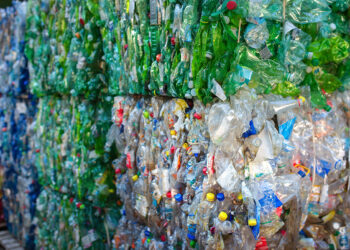
Packaging producers should choose clear or translucent PET containers because opaque and colored ones inhibit recycling of the material into higher-value applications.

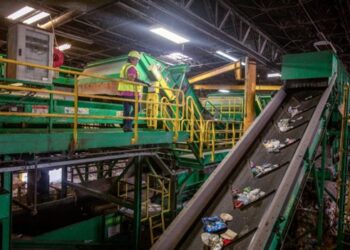
That’s according to a report examining the top 15 materials and packaging types presenting headaches for materials recovery facilities. Most of the materials featured involved plastic packaging.

Released in late March, the study touched on colored PET, black containers and single-use plastic coffee pods, among other packaging types. It was released by Pac Next, part of the industry-funded Pac Packaging Consortium.

The report updates a late-2014 analysis. The following are three of the packaging challenges detailed in the report:

Colored PET

Most current optical sorters will sort colored and opaque PET containers along with clear PET, reducing the bale yield of higher-value clear PET. Unlike clear PET, colored PET is generally limited to gray or black applications, for which there are limited end markets.

The colored material can also contaminate the stream. In particular, titanium dioxide, used to create white plastics, “is very detrimental to PET recycling for bottle-to-bottle and engineered resin uses,” according to the paper.

A year ago, trade group Plastic Recyclers Europe issued a statement expressing concern that an influx of colored, opaque PET was endangering reclaimers’ ability to recycle the resin. It came as some producers were switching from HDPE to PET for their milk, personal-care and home-product packaging.

Black containers

Black food containers, nursery pots, plant trays and other items can’t be seen by most optical sorters, the report states, so they must be manually sorted. Even if sorted correctly, their dark color limits their market applications.

Optical sorting technologies are being explored that would require the use of an additive that can be detected by near-infrared sensors. Ontario, Canada-based company TeTechS developed a terahertz sensor technology to identify black plastics. Terahertz radiation falls between infrared and microwave radiation on the electromagnetic spectrum.

The Pac Next report also noted that black nursery pots and trays are often made of recycled plastics, and while recycled content with multiple resins can complicate subsequent recycling, the writers urged a continued use of recycled content in the items.

It’s a different story with PET and PP food trays, which are often virgin plastic.

“Where possible, alternative colored materials (other than black) should be used to facilitate optical sorters capturing more materials for mixed plastic bales,” the report notes.

Coffee pods

In most places, K-Cups and other single-serve coffee and tea pods aren’t accepted in curbside programs, but some consumers are putting them there anyway.

British Columbia accepts separated pods (those in which the filter, lid and coffee grounds have been removed by the consumer) in its producer-funded curbside program, with optical sorters targeting the PS cups.

Pods that still contain coffee grounds tend to fall through screens and contaminate streams, particularly glass. Empty ones have a better shot at being sorted correctly. Trial runs at MRFs have shown that 70 to 75 percent of empty pods can be properly sorted on both dual-stream and single-stream lines. Those lost often do so because they fall through screens with heavy materials.

Keurig Green Mountain recently announced its plans to improve the recoverability of its K-Cups.

Pac Next discussed the industry effort to improve the recyclability of the products. One step has been making the cups out of PP. “On the recycling side, there are innovations to make the separation process much easier for consumers and to improve the material of the outer cup so that it is more valuable for downstream recyclers,” the Pac Next analysis states.

Tags: Hard-to-Recycle MaterialsHDPEIndustry GroupsPETPPPSRecycled ContentTechnology
TweetShare
Jared Paben

Jared Paben

Related Posts

PP cups now ‘widely recyclable’ with increased acceptance

byAntoinette Smith
February 3, 2026

With more than 60% of US households having access to curbside recycling collection for PP to-go drink cups, the How2Recycle...

Flexible Film Recycling Alliance releases first report

byAntoinette Smith
February 2, 2026

The Flexible Film Recycling Alliance has published its first report on progress made toward accelerating recycling rates, expanding access to...

Cirba Solutions: Battery fires stoking EPR bill movement

byStefanie Valentic
February 2, 2026

As batteries appear in everything from light-up shoes to electric vehicles, new EPR laws are reshaping recycling requirements.

Eastman looks to recycling plant to drive growth

byAntoinette Smith
February 2, 2026

Despite a "highly uncertain" macroeconomic landscape, the company expects to see accelerated revenue growth in 2026 from its Renew line...

Solarcycle starts up Georgia recycling plant

Solarcycle starts up Georgia recycling plant

byScott Snowden
January 30, 2026

Solarcycle has begun operating its Cedartown solar panel recycling facility, clarifying the status of a long-planned project that was previously...

Dow makes case for PE price hikes amid layoffs

Dow makes case for PE price hikes amid layoffs

byAntoinette Smith
January 30, 2026

Persistently low virgin resin pricing has been a significant factor for PE recyclers, who have been unable to compete.

Load More
Next Post
Equipment Spotlight: Create small batches of extremely dry resins

Equipment Spotlight: Create small batches of extremely dry resins

More Posts

International Paper creates two new, separate entities

January 29, 2026
Chinese processing group details goals for US visit

AMP lays out vision of next-generation, AI-driven MRFs

July 24, 2024
Alpek closing Pennsylvania RPET plant

Alpek closing Pennsylvania RPET plant

January 22, 2026
New entrepreneurs bring renewed energy to e-cycling

Europe pulls ahead on ITAD now while US growth remains slower

January 28, 2026

Recyclers are facing unprecedented changes

January 27, 2026
Emerging state EPR shows trend toward harmonization

Emerging state EPR shows trend toward harmonization

January 29, 2026

Eastman looks to recycling plant to drive growth

February 2, 2026
Stakeholders respond to California recyclability report

CalRecycle opens SB 54 draft for comments

February 2, 2026

VW investing millions in auto recycling in Germany

January 28, 2026

Producers settle with California AG over plastic bag claims

January 26, 2026
Load More

About & Publications

About Us

Staff

Archive

Magazine

Work With Us

Advertise
Jobs
Contact
Terms and Privacy

Newsletter

Get the latest recycling news and analysis delivered to your inbox every week. Stay ahead on industry trends, policy updates, and insights from programs, processors, and innovators.

Subscribe

Welcome Back!

Login to your account below

Forgotten Password?

Retrieve your password

Please enter your username or email address to reset your password.

Log In

Add New Playlist

No Result
View All Result
  • The Latest
  • Analysis
  • Recycling
  • E-Scrap
  • Plastics
  • Policy Now
  • Conferences
    • E-Scrap Conference
    • Plastics Recycling Conference
    • Resource Recycling Conference
    • Textiles Recovery Summit
  • Magazine
  • About Us
  • Advertise
  • Archive
  • Jobs
  • Staff
Subscribe
This website uses cookies. By continuing to use this website you are giving consent to cookies being used. Visit our Privacy and Cookie Policy.