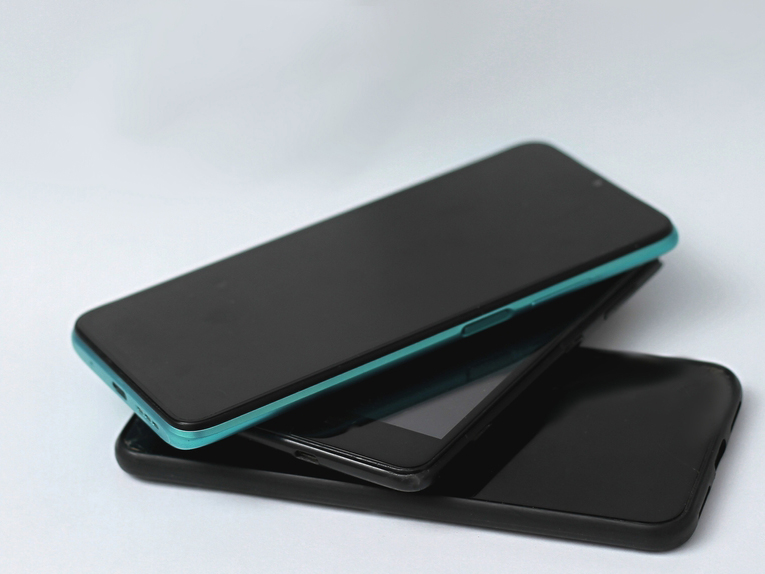
The secondary smartphone market stayed strong to start the year, with consumers increasingly turning to used devices when they switch and getting more for the items they turn in.
That’s according to Assurant, which released details in its Q1 2026 “Mobile Trade-In and Upgrade Industry Trends” report. The Atlanta-based insurance and extended warranty provider found that trade-in and upgrade programs returned $1.63 billion to consumers in the first three months of the year, up 31% from the same period in 2025.
The same economic pressures that are driving up food, oil and other commodity costs have caused an increase in phone prices. International Data Corp. reported an average sales price for a smartphone globally at $550 as of May 2026, an increase of $100 from the year prior; many top-tier devices easily exceed $1,000. That upward trend is sparked by rising transportation-related costs, as well as 7%-10% increases in the costs of minerals such as copper and gold that are needed for phone components like memory chips.
Pre-owned device programs, meanwhile, have seen a consistent supply, according to Assurant. And more of the devices coming into the secondary market are newer-generation; the iPhone 13 leads the overall rankings, while the Samsung Galaxy S23 is the most turned-in Android device. The average age of a traded-in device was 3.81 years.
“As smartphone prices continue to rise, consumers are looking for smarter ways to manage upgrade costs – and trade-ins, especially when paired with protection, are playing a bigger role,” said Biju Nair, executive vice president and president of global connected living at Assurant.
Carriers have taken notice. Xfinity, for example, launched its Mobile Plus plan in April that incorporates lifetime device protection and upgrades into the monthly rate. That removed price uncertainty that concerned many customers, Assurant said.
A more secure trade-in market, meanwhile, creates higher turn-in value for customers who can rely upon that as part of the ownership process, Assurant said. That helps offset the costs involved with ownership.
It also helps curb e-waste globally. E-waste generation is estimated to exceed 82 million metric tons by 2030, according to Frost & Sullivan Institute, including more than 5 billion cell phones.
“This data shows trade-ins are doing more than helping consumers save on a new device,” Nair said. “They’re also supporting a growing market for high-quality refurbished smartphones, giving more people access to newer, reliable devices at a lower price, and making it easier for consumers to access the full connected experience offered by premium device brands.”