






Revino is expanding its reusable wine bottle network into California after securing a $4.8 million CalRecycle grant, a move that could expand reuse infrastructure on the West Coast.
The Oregon-based startup will use the funding to build a commercial bottle-washing facility in Lompoc, California, capable of cleaning up to 10 million glass beverage containers annually. The facility will allow Revino to serve California wineries while reducing transportation emissions associated with shipping bottles back to Oregon. As the nation’s largest wine-producing state, California represents a significant opportunity to scale reusable glass packaging.
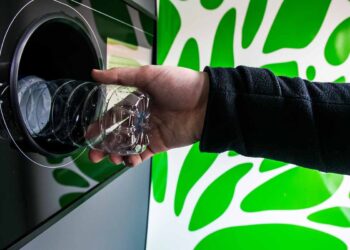
Founded in 2022, Revino has developed a standardized reusable wine bottle system designed to keep glass in circulation rather than sending it through the traditional recycling stream. Instead of crushing bottles after a single use, consumers return the distinctive rippled glass containers to collection sites, where they are inspected, washed, sanitized and redistributed to wineries for refilling. The company currently partners with approximately 120 wine brands, with around 90 wineries in Oregon and Washington already bottling wine in Revino containers.
The expansion comes as interest grows in reuse systems that reduce waste before it enters the recycling stream. According to Revino, each bottle is designed to be reused up to 50 times, reducing carbon emissions by approximately 85% compared with single-use bottles. The company estimates that a bottle becomes carbon neutral after just three reuse cycles.
Consumer participation is critical to the system’s success. More than 100 collection locations across the Pacific Northwest, including every New Seasons Market store, allow customers to return empty Revino bottles. The regional grocery chain partnered with Revino to make bottle returns more convenient while encouraging customers through its Neighbor Rewards program, which awards 10 points for every bottle returned.
Athena Petty, senior sustainability manager at New Seasons Market, said the retailer views reuse as part of its broader sustainability strategy.
“The holy grail of where we’re heading to, of course, is really circularity,” said Petty.
Petty said New Seasons had followed Revino’s progress for several years before launching the partnership and saw an opportunity to make reusable packaging more accessible for customers.
“We wanted to create an easier way for customers to have a place to return the Revino bottles,” she said.
Customer participation has remained modest, though Petty said the results are in line with expectations. She said roughly 4% of customers who purchase Revino wines currently return their bottles.
“It’s around what we expected this early on, since we know it’s a behavior change program,” she said.
Rather than viewing the return rate as a setback, New Seasons sees it as a sign that changing long-standing consumer habits will take time. The retailer is developing additional shelf signage, marketing campaigns and social media outreach to educate shoppers about the program while evaluating additional ways to encourage participation.
Revino’s California expansion will also broaden its winery partnerships. The company is already in discussions with Silver Oak and Treasury Wine Estates, which could significantly increase the number of reusable bottles circulating throughout the West Coast wine industry.
Company leaders have also said the reusable bottle model could eventually expand beyond wine into other glass beverage containers. If successful, the project could demonstrate how state investment in reuse infrastructure can complement recycling by preventing waste before it is created.