The largest waste hauler and recycling company in the United States has updated its list of items to keep out of collection bins, to help curb accidents related to discarded electronics.
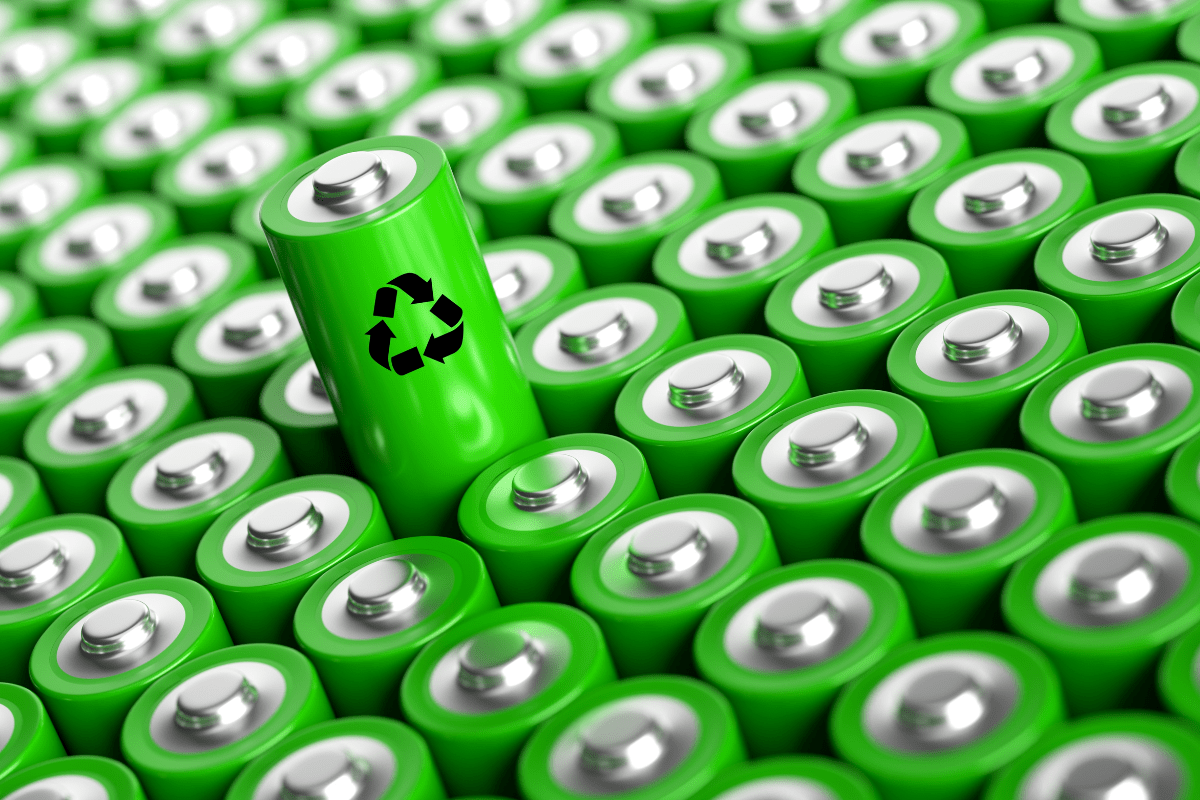
Houston-based WM added batteries as a fourth “Recycle Right” item for consumers to keep out of trash and recycling bins.
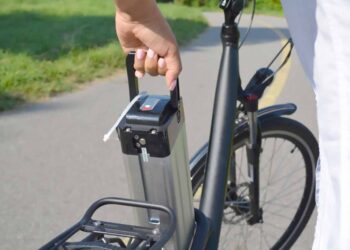
The company cited alkaline and lithium-ion batteries as primary concerns. Consumers generally throw out the alkaline batteries from their remotes, clocks and other devices when they’re used up, the company said, while lithium-ion batteries used in rechargeable items like phones and tools – as well as in audio greetings cards – are expected to create a nearly sevenfold demand by 2030, according to Statista.
Making an official designation about batteries could help mitigate hazardous incidents caused by batteries in the waste stream, according to Ryan Nordt, WM’s executive director of recycling operations.
“Batteries don’t belong in recycling or trash,” he said. “They’re a fire risk that puts workers, first responders, collection vehicles and facilities in danger. A clear ‘no batteries’ rule helps protect people, communities and prevent fires.”
Recent data indicates fire incidents at waste and recycling facilities remain stubbornly high in the United States and Canada. Ryan Fogelman, a fire prevention consultant at Fire Rover, found in his June fire report that the number of publicly reported incidents through May (114) is below last year’s record-setting pace (there were 448 in 2025) but well above the pace of previous years, during which an average of 360 incidents occurred.
Last year’s incidents caused more than $2.5 billion in cumulative damage, he said, with the number of incidents continuing to climb due at least in part to batteries getting into the waste stream.
The National Waste & Recycling Association (NWRA) found in its own study that an estimated 5,000 battery-related fires happen per year at recycling facilities (Fogelman’s report only includes publicly reported fires that are assumed to be two-alarm or greater).
“We commend WM for adding a fourth recycling rule on batteries,” said Michael E. Hoffman, NWRA president and CEO. “Every effort to educate consumers on the correct way to recover batteries is imperative.”
To dispose of batteries properly, WM advises consumers to check with their municipal collection company or visit BatterySafetyNow for drop-off locations.
The Recycle Right list also says to recycle bottles, cans and cardboard only when empty and dry; not to bag recyclables; and not to recycle food or liquid.
WM serves about 21 million residential, commercial and municipal customers in North America.