Two closely watched PC market reports released in April painted what looked like an encouraging picture for the device market, and by extension, the downstream ITAD and recycling channels that process those devices at end of life. Both Gartner and IDC reported year-over-year shipment growth in the first quarter of 2026.
Dig into the commentary from either firm and the story changes quickly. Both are warning that the growth isn’t real, and the factors driving the Q1 numbers have significant implications for how retired PCs will flow into secondary and recycling markets over the next 18 to 24 months.
The headline numbers
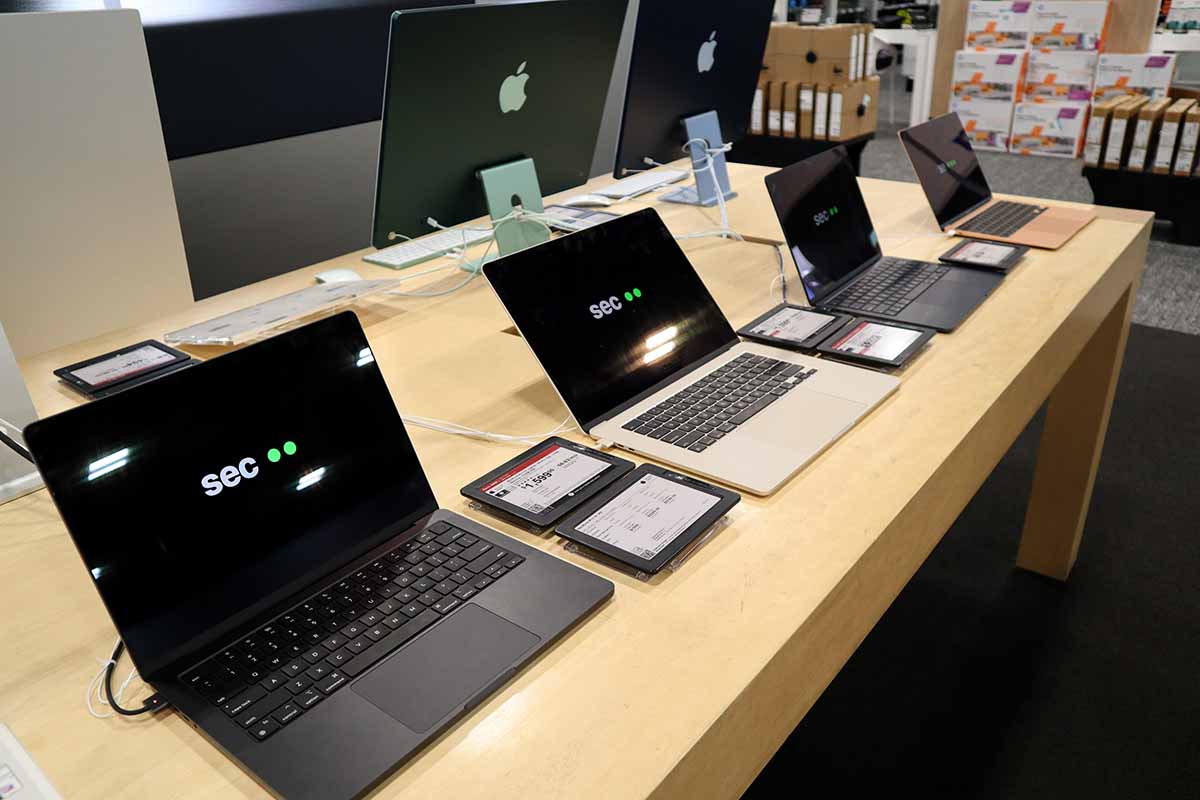
Gartner reported worldwide PC shipments of 62.8 million units in Q1 2026, up 4% from the same quarter a year earlier. IDC, using a slightly different methodology, reported 65.6 million units and 2.5% growth. Lenovo held the top spot in both rankings, followed by HP and Dell. Apple posted the strongest growth among major vendors — up 12.7% by Gartner’s count and 9.1% by IDC’s — driven largely by demand for its new MacBook Neo line, particularly in the education segment.
Why analysts are calling it artificial
Gartner research principal Rishi Padhi described the Q1 growth as “artificially inflated,” saying it reflected vendors and channel distributors building up inventory ahead of expected price increases in Q2 rather than genuine end-user demand. The driver: a sharp run-up in DRAM and NAND flash memory prices that Gartner has dubbed “memflation.” The firm now projects full-year 2026 PC shipments to decline 10.4% compared to 2025 as higher component costs push new-PC prices up and suppress demand.
IDC research vice president Jean Philippe Bouchard offered a similar read, saying Q1 growth was fueled by “the anticipation of rising component prices, Windows 10 migration, and new product introductions” rather than organic demand, and that the rest of 2026 will likely see shipment declines as system prices rise.
IDC senior research analyst Isaac Ngatia also flagged ongoing Middle East conflict as a compounding factor, noting that disruption to Asia-EMEA sea corridors and higher air freight costs are adding pricing pressure on top of the memory situation.
Windows 10 retirement remains the biggest near-term driver
Microsoft ended support for Windows 10 on October 14, 2025, and the resulting enterprise refresh wave continues to dominate the volume picture for ITAD processors. Large organizations with complex application environments are extending migration programs into 2026, and small and mid-sized businesses will continue refreshing through 2027 as budget cycles permit. The bulk of 2026 retirement volumes flowing into ITAD channels reflect procurement decisions already made in 2024 and 2025, separate from what Gartner and IDC are reporting about new shipments now.
A significant subset of the Windows 10 installed base, estimated in the hundreds of millions of devices, cannot upgrade to Windows 11 due to TPM, CPU, or Secure Boot requirements. That cohort faces a compressed resale window and increasingly points toward materials recovery over refurbishment.
What it means for end-of-life sector stakeholders
Three takeaways for operators planning the next 12 to 18 months:
Memflation should lift residual values on Win11-capable gear. Three-to-five-year-old enterprise laptops with 16GB+ RAM and TPM 2.0 support — the fleet deployed roughly 2021 through 2023 — should see firmer resale pricing than 2024 trends suggested. Higher new-PC prices push buyers toward refurbished alternatives. Separating inventory into Win11-capable and Win11-incapable buckets, and pricing them differently, is urgent work for operators now.
Freight assumptions need updating. Reverse logistics, downstream commodity movement, and cross-border refurb flows all face the same cost pressures hitting forward logistics. Operators should run 2026 scenarios with meaningfully higher freight assumptions than 2024–2025 baselines.
The Apple mix is shifting. If Apple’s 9%–13% growth sustains, secondary Mac volume will be structurally larger by 2027–2028. Data sanitization workflows, parts sourcing, and refurbishment tooling should be evaluated with that trajectory in mind — particularly for operators with education-sector clients, where Apple has been gaining ground fastest.