













The mobile ecosystem has been undergoing a fundamental shift. Returned devices, whether from trade-in/upgrade programs or insurance replacements, have become one of the most strategic levers in the smartphone supply chain. As new technologies emerge and consumers upgrade to these new devices, they increasingly have a larger array of newer, premium certified pre-owned options to choose from.
This has created a strong opportunity for carriers and OEMs to turn these returned devices into a value engine, one that impacts profitability, inventory health, customer satisfaction and sustainability. The companies that are able to turn returned devices into a reliable, high-quality inventory stream will shape the next decade of mobile growth.
Why returns matter more than ever
Every smartphone or tablet return triggers a complex reverse logistics process that consumers never see. These returns can come from upgrades, trade-ins, leases, warranties, remorse returns, or insurance claims, each requiring its own evaluation and recovery path. As businesses pursue greater efficiency and sustainable practices, demand continues to grow for high-quality pre-owned devices, including those used for insurance fulfillment programs.
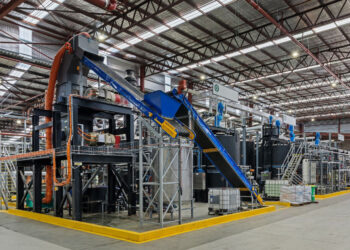
A strong reverse logistics capability sits at the center of this value chain. Automated inspection, data wiping, grading, testing, repair and redistribution keep devices circulating through the supply chain instead of being prematurely recycled or discarded. These capabilities help carriers and manufacturers better manage inventory and maximize device value, while meeting sustainability commitments as they respond to evolving consumer needs and expectations.
At the same time, device economics have changed dramatically. Until recently, with the advent of devices featuring more personalized AI capabilities, annual upgrades delivered incremental improvements and consumers tended to hold onto their devices longer. Now, with AI and other advanced capabilities transforming the mobile experience, upgrade cycles have accelerated, resulting in an increased supply of high-quality certified pre-owned devices as affordable, reliable alternatives.
This shift has increased pressure on carriers and manufacturers to extend device lifecycles, derive residual value, and secure a steady supply of premium used devices, making efficient reverse logistics essential to both financial and environmental outcomes.
Creating value through reverse logistics
Reverse logistics is the backbone that allows returned devices to efficiently flow back into the supply chain. Done right, it adds value and profitability, and enhances sustainability. Done wrong, it’s another cost center. As devices are turned in through trade-in and upgrade programs, information technology and operational technology are working in tandem to deliver the efficiency and speed that are critical to success.
In the past, high-velocity, low-touch processing allowed companies to recover working capital through auctions or resale, with incentives structured to maximize value in the shortest possible time. Today, new return channels and expanded processing capabilities are supporting repair, refurbishment and the redistribution of devices across multiple streams. While speed remains important, the focus is now on extracting the highest possible value from every device, not just moving inventory quickly.
Extracting the most value from each device using AI, robotics, automation and analytics allows for rapid evaluation, data security, updates and even advanced repairs that can both increase a device’s grade and enhance its value. These capabilities and data protocols place the right devices, in the right place at the right time to support insurance claims, build carrier inventory for direct-to-consumer sales and provide stock for direct-to-consumer channels and online marketplaces.
The value difference can be significant. A new iPhone 15 from an OEM might cost around $550, whereas a remanufactured one could be as low as $480, creating significant margin opportunities.
Operational excellence at scale
High-volume reverse logistics requires precision, security and strong technology integration. Automation and robotics help improve consistency and throughput, while better integration with carrier inventory systems provides insights at every stage of the process and allow carriers and OEMs to develop more predictable programs that help drive profitability.
Artificial intelligence and machine learning are also reshaping the future of this work. AI-driven diagnostics can accelerate testing and triage. Robotic repair systems can enhance repair consistency. Data-linked inventory management can improve forecasting and ensure the right devices reach the right channels. Continued investment in automation and integration will determine how effectively the industry responds to rising return volumes and tightening environmental and efficiency expectations.
The next phase of growth in mobility will favor organizations that view returns not as the end of a product’s life, but as the beginning of its next one. Reverse logistics will be the engine that powers this transition, turning used devices into opportunity, complexity into value, and sustainability into a competitive advantage.
Kimberley Allison is vice president of supply chain strategy and execution at Assurant, where she leads initiatives focused on reverse logistics, device lifecycle management, and asset value recovery, helping carriers, retailers, MSOs and OEMs turn returned devices into sustainable, high-quality inventory streams.