





We may have started from different perspectives, and we may have different points of emphasis, but the e-Stewards and R2 standards have each played a highly significant role in improving the sustainability of electronics in the last few decades. It is certain that certification programs now serve to differentiate the good actors – the leaders who follow applicable laws, protect the earth, workers and communities – from the laggards, who do not.
As critical baselines, both the R2 and e-Stewards standards require the environmentally sound management (ESM) of electronic scrap or retired assets and legal compliance throughout the recycling chain. Assessing legal compliance can be complicated – particularly when international and national laws are considered, and given that there are varying definitions of materials and wastes. But regardless of the complexity, the requirement to assure legal compliance and ESM is a non-negotiable aspect of any respected standard, including R2 and e-Stewards.
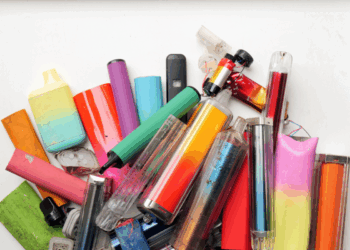
Which brings us to the current hot topic of e-plastics, the Basel Convention, and the discovery of potential wide scale non-compliance with the new Basel plastics amendments.
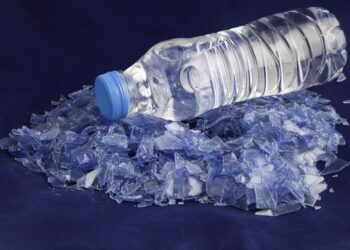
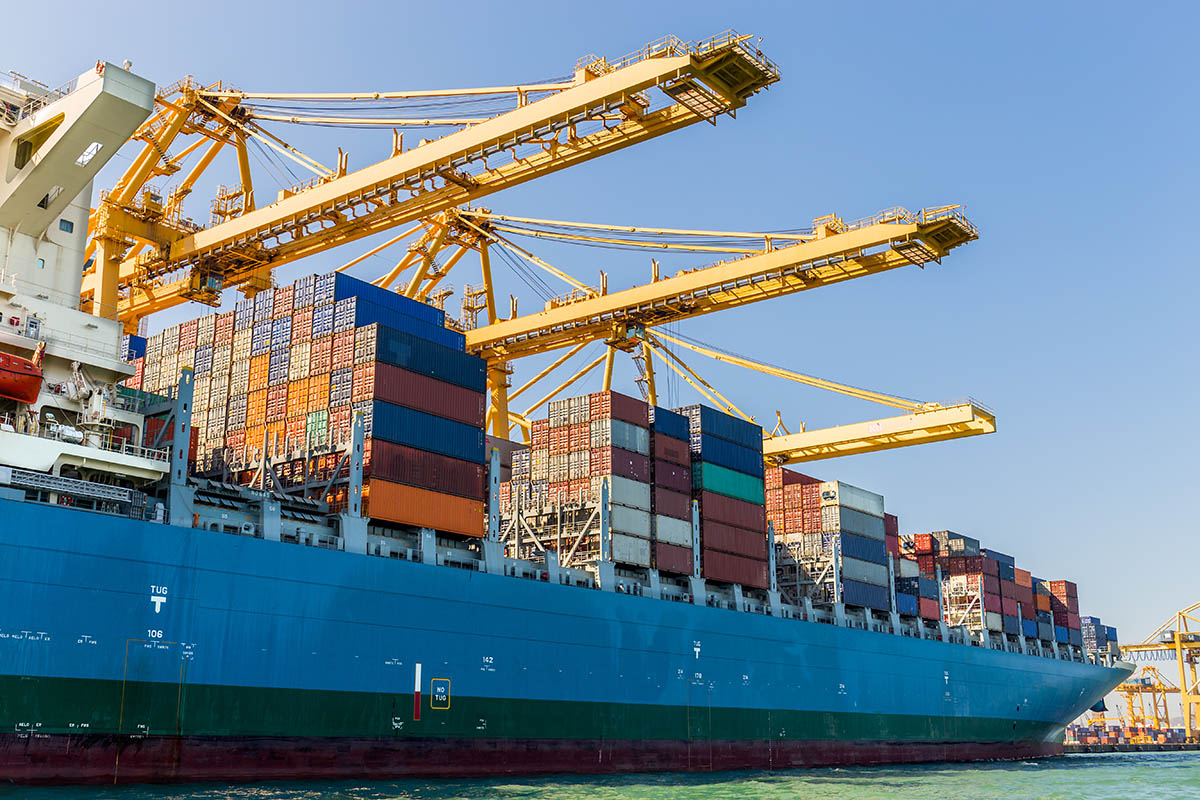
In January 2021, amendments to the Basel Convention went into effect to begin controlling trade in mixed and contaminated plastic wastes (Annex II, Y48) for the first time. For most countries, this means trade in such materials would be subject to government notification and the receiving country’s consent prior to exportation. It also means any such trade can only take place if the recycling operations involved were deemed by the authorities of both countries to be environmentally sound.
But there’s a key caveat for U.S. stakeholders: The Basel Convention also requires that such trade only take place between countries that have ratified the Basel Convention, unless a special separate side agreement akin to Basel is instituted. The U.S. remains one of the few countries that has not ratified Basel, and only one such special agreement exists for Y48 plastic for the U.S. (an arrangement signed with Canada in 2020). This means that all the other 189 Basel Convention Parties, and in particular non-OECD countries, are highly likely to be legally off-limits to imports of Y48 plastic from the U.S.
The new global trade rules have also placed a spotlight on the Basel-party countries where much of the e-plastic had been flowing from the U.S. – such as Malaysia – with concerns that these countries are turning a blind eye to their own legal obligation to refuse such wastes from the U.S. and that their recycling facilities may not always be maintaining environmentally sound operations for all fractions of the mixed plastics.
What has changed is international law, not our recycling standards, their certification programs nor the good will of good recyclers. Similar Basel amendments controlling non-hazardous e-waste will enter into force on January 1, 2025. It is anticipated that this change will further isolate American recyclers if the U.S. remains a Basel non-Party at that time. It is clear we need to move towards more comprehensive solutions to facilitate proper legal and ESM recycling globally. And it is clear we need to be better prepared for what is coming.
Changes in international law present both pain and possibility
Without the expansion of plastics processing capacity and technology in the U.S., new bi-lateral agreements or the U.S. ratifying the Basel Convention, compliance with Basel rules will likely cause cascading unintended consequences.
Many plastics may be forced to go to disposal instead of recycling, at least in the short-term. With a drop in plastics recycling revenue, the costs of recycling plastics will increase, meaning the total cost of recycling electronic waste will increase. Thus, Extended Producer Responsibility (EPR) programs will need to pay recyclers more and manufacturers will likely need to collect more electronics to meet their recycling obligations in various states. Voluntary takeback programs may collapse entirely due to the economics no longer making sense. The bottom line is that the fewer plastics we can safely recycle, the further away we move from circularity and a more sustainable future.
But this situation also creates opportunities: The opportunity to work with OEMs to reassess the life-cycle advantages and disadvantages of plastics versus metals; the opportunity to increase the quality of recycled plastics and develop the technology to clean and separate plastics closer to home; and an opportunity to enhance and align recycled content sourcing for various domestic industries with the e-plastics supply from the U.S. recycling industry.
Right now, BAN and SERI are both working on the immediate task of helping our facilities comply with the Basel plastic amendments and get ready for the forthcoming e-waste amendments to the Basel Convention coming in 2025 to ensure that all e-recycling is always conducted in a legal and environmentally sound manner, wherever it takes place globally. Here are some of the highlights:
- BAN released a Guide to Plastic Waste Export Compliance for US Electronics Recyclers (a work in progress).
- SERI has commissioned a report on the recycling of plastics in the R2 network.
- BAN is conducting research on the ESM of facilities around the world.
- SERI will be publishing guidance for integrating the Basel amendments into the R2 management system and legal compliance, and guidance to perform legal compliance audits to the changes.
- BAN and SERI will be educating Certification Body (CB) auditors on how to audit each standard with the Basel amendments and take appropriate steps to write and close nonconformities.
- BAN will be proposing an alteration of its Standard to align better with the Basel Convention on designating Y48 and Y49 (the upcoming e-waste listing) as being considered as Problematic, Components and Materials (PCMs) rather than Hazardous Waste.
- Both BAN and SERI will be hosting and co-hosting webinars, training, and conference sessions on the topic.
- SERI has assembled a plastics workgroup from the R2 TAC and other plastics experts and will continue to facilitate that workgroup and pursue global solutions to recycle more plastics.
- BAN has engaged its Leadership Council to provide rapid advice on the e-Plastics Challenge.
Both e-Stewards and R2 certification programs are committed to legal compliance and environmentally sound management of electronic assets. As part of that commitment, we will be enforcing legal compliance with the Basel Convention and its new amendments as a core tenet of our certifications.
More broadly we will continue to work together and with all stakeholders in government, manufacturers, enterprises, customers and consumers on the journey towards a more sustainable and circular future.
When challenges to our commitments, like this one, present themselves , we must all work collectively to meet those challenges – not to discard our commitments. Together, we aim to build a more ethical, circular, and sustainable future for generations to come.
Corey Dehmey is the Executive Director of Sustainable Electronics Recycling International (SERI), which administers the R2 certification standard.
Jim Puckett is the Executive Director of the Basel Action Network (BAN), which administers the e-Stewards certification standard.
The views and opinions expressed are those of the author and do not imply endorsement by Resource Recycling, Inc. If you have a subject you wish to cover in an op-ed, please send a short proposal to news@resource-recycling.com for consideration.