





Resource Recycling
  • The Latest
  • Podcast
  • Analysis
    • All
    • Certification Scorecard
    • Industry Announcements
    • Opinion

    E-scrap feedstock competition mixed amid investments

    Open pit copper mine in Arizona.

    Trump touts aggressive US critical mineral goals

    From claims to custody: PCR procurement grows up

    Certification scorecard — week of Nov. 16

    Adam Gendell

    PET producers ride ‘local for local’ wave

    May pricing bullish for most bales

    HDPE resists seasonal, economic forces

    IT asset disposition and electronics recycling: Now and then

    Data center moratoriums cast development shadow

  • Conferences
    • Resource Recycling Conference
    • Plastics Recycling Conference
    • E-Scrap: The Longevity Conference
    • Textiles Recovery Summit
  • Publications
    • E-Scrap News
    • Plastics Recycling Update
    • Policy Now
    • Resource Recycling
    • Other Topics
      • All Topics
      • Brand Owners
      • Critical Minerals
      • Glass
      • Grant Watch / RFPs
      • Markets
      • Organics
      • Packaging
      • Research
      • Technology
      • Textiles
Subscribe
No Result
View All Result
Resource Recycling
No Result
View All Result
Home E-Scrap

Procurement program funds African e-scrap recycling

byJared Paben
May 7, 2020
in E-Scrap
Procurement program funds African e-scrap recycling

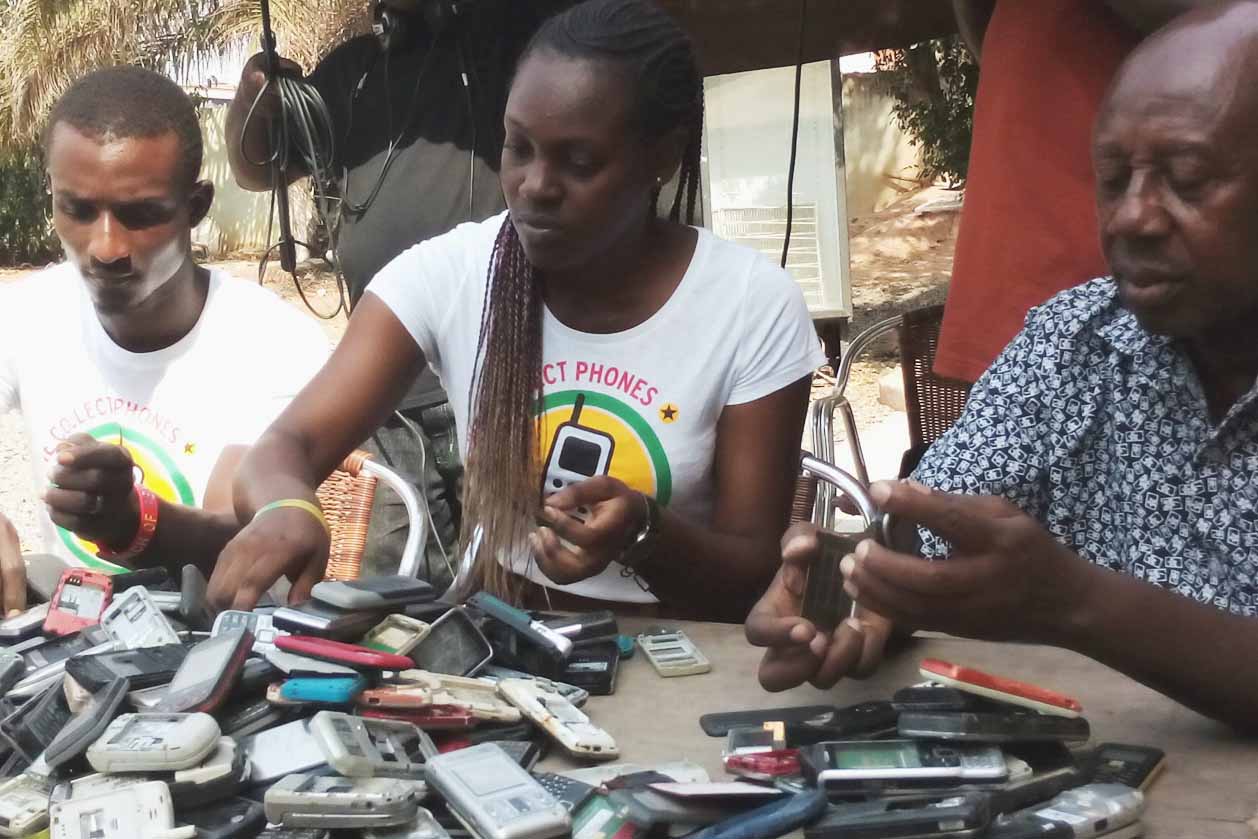
Dutch company Closing the Loop buys scrap phones from local collectors in Africa.

Dutch company Closing the Loop buys scrap phones from local collectors in Africa. | Photo by Closing the Loop, provided courtesy of TCO Development

Sustainability certification organization TCO Development launched a program through which purchases of new electronics will fund e-scrap recycling in developing countries.

Headquartered in Stockholm with offices around the world, TCO Development is a nonprofit organization that manages the TCO Certified program. Through the voluntary program, computers, mobile devices, displays, data center products and other electronics that meet specified sustainability criteria can become TCO Certified, boosting their marketability.

TCO Development also runs a supplemental program, called TCO Certified Edge, which recognizes top-performing devices that meet additional criteria in specific categories. On March 31, TCO Development launched an addition to the Edge program, called E-waste Compensated. The program will allow institutional buyers of electronics to fund collection and safe recycling of e-scrap generated in developing countries.

The first e-scrap company to participate in E-waste Compensated is Closing the Loop, an Amsterdam-based company that collects mobile devices in Africa and brings them to Europe for recycling.

“E-waste is often seen as a problem, but it also represents opportunities for green procurement,” Joost de Kluijver, founder of Closing the Loop, stated in a press release announcing the new program. “Shifting e-waste to where it can be recycled in a responsible manner, can give those valuable resources a second life, keeping them in the loop of the circular economy.”

How the program works

In an interview, Andreas Rehn, development manager at TCO Development, said the E-waste Compensated effort is intended to address environmental and health problems caused when used devices are exported to developing countries and are recycled via unsafe practices, such as open burning.

When devices enrolled in the E-waste Compensated program are manufactured, the brand owner must buy “offsets” from approved e-scrap companies, which will use the money to collect an equivalent amount of e-scrap in developing countries. If there are no certified recycling facilities locally, those collectors must export the material to a country where it can be safely recycled. OEMs and the approved collectors will negotiate the offset fee amount between themselves.

The program uses outside firms to verify the process, Rehn said. Collectors provide OEMs receipts for offsets sold, and OEMs send those receipts to the third-party verifiers (there are currently three: Nemco, Intertek and TÜV Rheinland). If everything checks out, those firms will issue a “verification of conformity” document to the OEM, which will, in turn, forward that document and an application to TCO Development, which then issues a certificate for the compensated model, Rehn said.

The verifiers conduct annual audits. That process includes comparing brand owner and collector documentation to reconcile device production, offsets sold and e-scrap collections to ensure the numbers line up.

E-waste Compensated is currently available for notebooks, smartphones and tablets, but that doesn’t mean collectors are necessarily required to collect a notebook for a notebook, for example. TCO Development allows collectors to recycle “equivalent” electronics, with equivalency based on the estimated weight of batteries and printed circuit boards in the devices. As examples, three mobile phones would have to be collected to offset the sale of one tablet, or nine phones to offset the sale of one notebook, according to the program.

No devices have yet been enrolled in E-waste Compensated, although TCO Development has heard interest from brand owners, Rehn said. OEMs have also expressed interest in having their desktop computers and monitors covered by the program, he noted.

Rules for collectors

Even before its participation in the certification program, Closing the Loop began running an offset program, through which wireless companies, retailers and others add a fee to the cost of a new phone. The collected funds are paid to Closing the Loop, which buys end-of-life phones from informal recycling networks in a number of African countries, exports the devices and ensures they’re recycled.

As the first approved collector in the E-waste Compensated program, Closing the Loop has helped educate TCO Development on the e-scrap markets and permits needed to collect and export phones, Rehn said.

TCO Development is also accepting applications from other organizations looking to become approved collectors. To participate, collectors must meet a number of requirements. They must comply with applicable health, safety and labor laws, and their collections can’t compete with any functional mandatory take-back systems. They must agree to purchase entire e-scrap units, not parts. They must target scrap and ensure it’s recycled, not buy and resell working devices. They must also use a material tracking system and disclose their upstream and downstream partners.

Collectors must also be able to prove that devices they recycled weren’t double-counted under different offset programs.

Rehn acknowledged it can be difficult to export material from developing countries. To prevent indefinite storage, collectors have two years to export and/or recycle material, starting at the date the OEM received its certificate from TCO Development, Rehn said.

 

Tags: Policy NowProcessorsTrade & Tariffs
TweetShare
Jared Paben

Jared Paben

Related Stories

Northeast recycled commodity values hit 5-year lows

Washington fines producers $246K for recycled content shortfalls

byStefanie Valentic
November 20, 2026

Washington regulators fined 38 plastic producers a combined $246,548 for missing the state’s minimum postconsumer recycled content (PCR) requirements on...

The AI tsunami

The AI tsunami

byJim Puckett
November 19, 2026

AI data centers and the devices they make obsolete could generate 8.6 to 13.1 million metric tons of e-waste a...

Thrift’s seat at the textile EPR table

byStefanie Valentic
November 19, 2026

Under California’s textile EPR law, every Goodwill in the state counts as a producer, even when new goods are under...

How to draw brand owners to recycled plastic

Connecticut redemption rate slips 8 points in Q2

byStefanie Valentic
November 19, 2026

Connecticut's beverage container redemption rate fell nearly 8 percentage points in the second quarter of 2026, from 86.6% to 79%...

RecyClass hits 500 EU recyclability evals

EU PET import codes set to begin

byAntoinette Smith
November 18, 2026

The new codes for PET flake will take effect in January, but the global impact remains to be seen, according...

Rumpke to invest $60M in Cincinnati MRF upgrade

Rumpke to invest $60M in Cincinnati MRF upgrade

byStefanie Valentic
November 17, 2026

Rumpke Waste & Recycling will spend $60 million to upgrade its Cincinnati-area materials recovery facility. The project adds optical sorters,...

Load More
Next Post
ITAM group: Plan now to properly dispose of excess devices

ITAM group: Plan now to properly dispose of excess devices

2026 Buyers’ Guide

Equipment, services and technology suppliers serving the recycling industry.

Browse the Guide

More Posts

Closeup of PP with a chasing arrows recycling symbol.

PureCycle, WM sign rare 3-year bales contract

November 16, 2026

Goodwill eyes EPR revenue, starting with waste audit

November 12, 2026

Alphabet’s Materra wants recyclers to see molecules, not bottles

November 13, 2026
The missing link in e-plastic recycling

The missing link in e-plastic recycling

October 28, 2026
Adam Gendell

PET producers ride ‘local for local’ wave

November 16, 2026
Solarcycle, Korea Zinc merge in critical mineral venture

Solarcycle, Korea Zinc merge in critical mineral venture

November 18, 2026

E-scrap feedstock competition mixed amid investments

November 19, 2026
NexPoint Materials to shutter Alabama plastics plant

NexPoint Materials to shutter Alabama plastics plant

November 4, 2026
PureCycle sees easing headwinds to R-PP adoption

PureCycle shifts focus, secures feedstock

November 5, 2026
RecyClass hits 500 EU recyclability evals

EU PET import codes set to begin

November 18, 2026
Load More

About & Publications

About Us

Staff
Job Listings

Archive

Magazines

Work With Us

Advertise
Contact
Terms and Privacy

Newsletters

Get the latest recycling news and analysis delivered to your inbox every week. Stay ahead on industry trends, policy updates, and insights from programs, processors, and innovators.

Subscribe

Welcome Back!

Login to your account below

Forgotten Password?

Retrieve your password

Please enter your username or email address to reset your password.

Log In

Add New Playlist

No Result
View All Result
  • The Latest
  • Podcast
  • Analysis
  • Recycling
  • E-Scrap
  • Plastics
  • Policy Now
  • Conferences
    • E-Scrap Conference
    • Plastics Recycling Conference
    • Resource Recycling Conference
    • Textiles Recovery Summit
  • Magazines – Old
  • About Us
  • Advertise
  • Archive
  • Job Listings
  • Staff
Subscribe
This website uses cookies. By continuing to use this website you are giving consent to cookies being used. Visit our Privacy and Cookie Policy.