












New tariff actions targeting aluminum and steel imports could have near-term benefits for MRF operators if the actions spur additional demand for domestic-sourced commodities. But it’s the longer-term effects that are more concerning.
President Donald Trump on Feb. 10 signed executive orders that will set tariffs of 25% on both aluminum and steel. The orders modify and build on tariffs Trump initially implemented during his first term. Effective March 12, they end a number of exemptions on certain countries and more than double the existing aluminum tariff.
“It’s 25% without exceptions or exemptions, and it’s all countries, no matter where it comes from,” Trump said after signing the order.
Like the initial round of tariffs in 2018, the newly expanded tariffs don’t cover recycled steel or recycled aluminum, the Recycled Materials Association, ReMA, said on Feb. 14. But they will no doubt affect the U.S. recycling sector, including through the basic mechanisms of supply and demand.
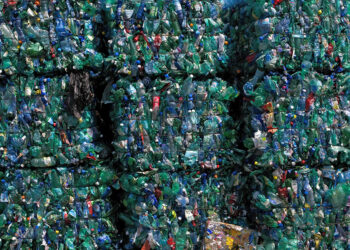
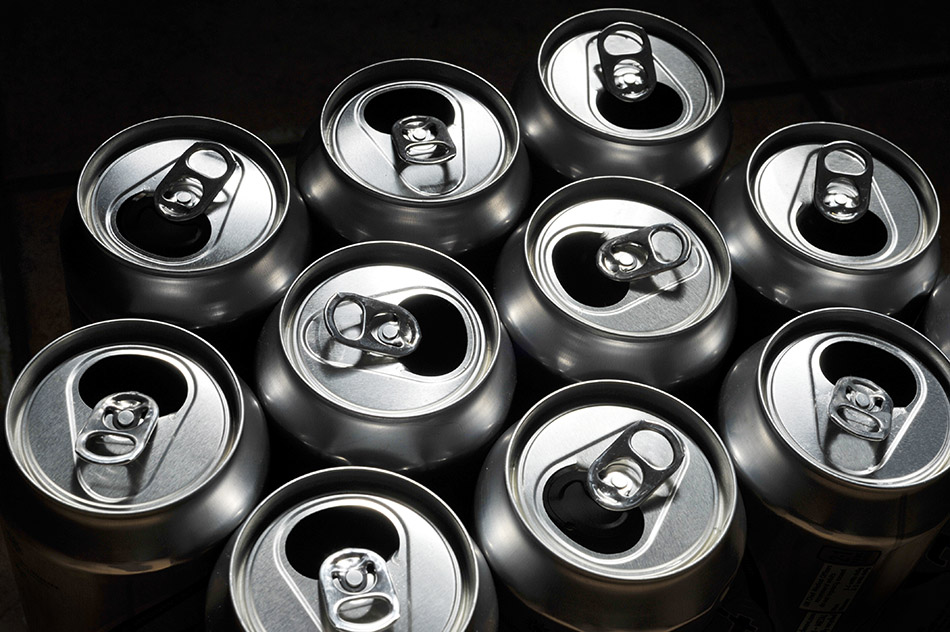
Tariffs raising the price of imported aluminum and steel would likely drive up demand for domestic sources of those commodities, such as baled UBCs and steel cans.
“In the short term, in some ways it benefits us: we see pricing go up for these commodities,” said Miriam Holsinger, co-president of Minneapolis-based MRF operator Eureka Recycling.
Although tariffs would also raise prices for MRF operating supplies – things like baling wire, as facility operators noted during the 2018 trade war – those price increases are minimal compared with the amount of metals a MRF sells, Holsinger said.
Wider economic effects are key
“The problem is, what happens long-term,” Holsinger said, referencing the potential of a manufacturing slowdown to drive down recycled material demand and prices.
The White House cited findings from the Economic Policy Institute and other groups suggesting tariffs don’t have a significant effect on inflation and have an overall economic growth effect. But economists disagree on the overall economic impact of tariffs. S&P Global this month released research suggesting that the new steel and aluminum tariffs could risk damaging the U.S. economy through broader economic impacts.
“While the tariffs should be positive for domestic steel and aluminum industries, they risk larger knock-on negative effects on downstream users of these metals, such as automakers, can manufacturers, packaging, and construction projects,” the analysis found.
Additionally, the analysis noted that a wider trade war could have similar recessionary effects. The Trump administration also this month announced a plan to implement reciprocal tariffs on trading partners worldwide, suggesting the scope of tariffs to come is far from certain.
It’s the downstream, delayed effect that creates pause for the recycling sector, because economic downturns typically lead to less demand from end markets, less material entering the bin and ultimately less commodity revenue for MRFs.
For Eureka, OCC makes up between 20% and 30% of the organization’s output, Holsinger said. That OCC is used by mills to make boxes to package products and to ship those packages to buyers. If consumers start buying less due to higher prices or simply an economic downturn, less boxes are needed, less OCC is needed, and prices decline.
The recession effect on recyclables tends to vary by material, however, so it could mean increases in some commodities in the recycling stream. For example, if consumers opt to go out to restaurants less, they might go through more containers at home, leading to more UBCs or PET bottles entering the residential stream.
Holsinger added that looking back at the tariffs and connected trade war in 2018 and 2019 provides some historical context, but there were also other factors at play in recycling markets.
Trump began implementing import duties on steel and aluminum in March of that year targeting China and numerous other countries, and several rounds of back-and-forth tariffs brought numerous additional commodities products into the fold. By summer 2018, the Chinese government added a handful of recycled commodities and recycled paper pulp to the list of U.S. goods that would be hit with new import duties.
Fiber prices dropped significantly in 2018 and 2019. At the beginning of 2018, OCC was trading for a national average of about $105 per ton, according to RecyclingMarkets.net, and mixed paper was at about $5 per ton. By the end of 2019, OCC had fallen 76% to hit $25 per ton, and mixed paper was actually trading for minus $2 per ton, meaning MRFs had to pay to get rid of it.
But that price strife was primarily because of the industry shakeup after China pulled back from the global recycled materials trade, closing the door to what was the largest U.S. market for paper and plastic. The U.S. end market landscape matured significantly in the years that followed.
“We’ve built up our internal paper recycling system; there are a lot more domestic mills since then,” Holsinger said.
Piling onto new China tariffs
The steel and aluminum tariffs were announced just days after Trump implemented a new 10% tariff on imports from China, which has its own ramifications for the recycling sector.
Those effects could include higher prices for equipment used across the recycling sector: The Recycled Materials Association recently noted the new tariffs on Chinese imports cover shredder wear parts, so recycling companies may face cost increases sourcing such parts from China.
Exempting those parts has been a key focus for ReMA in previous rounds of tariffs, and existing tariffs on Chinese goods enacted in 2018 have a mechanism for excluding those shredder parts. That exemption has been renewed multiple times over the years and is currently set to expire at the end of May, ReMA noted.
ReMA this month also informed members that trade and tariffs will be a “major focus of industry advocacy” during the association’s Feb. 26 fly-in on Capitol Hill. The association added it is “working to ensure that members have current information on the political dynamics and impacts of the tariffs to share with members of Congress and their staff.”