



Editor’s note: Electronics recycling will be featured in sessions at the 2026 E-Scrap: The Longevity Conference in New Orleans October 26-28. For more on BAN’s new report be sure to check out the forthcoming print issue of E-Scrap News, out in mid-October.
This article has been corrected to read “Puckett estimates $7 trillion will be spent globally…”
Newly released research indicates the growing AI-related data center buildout will have a much greater impact that many expect on the e-scrap industry.
Basel Action Network (BAN) founder Jim Puckett released the first of a four-part series of white papers on the subject “The Coming AI Waste Wave: How Big is the AI Waste Wave,” this week. The papers are meant to study the waste impacts of the coming AI buildout, which has seen billions of dollars in investment in the US alone this year.
Puckett estimates $7 trillion will be spent globally between 2025-2030 just to get the AI infrastructure off the ground — enough, he said, to end world hunger for the next 75 years. That buildout would equate to 219 gigawatts of data center capacity, more energy than is needed to power every home in the US.
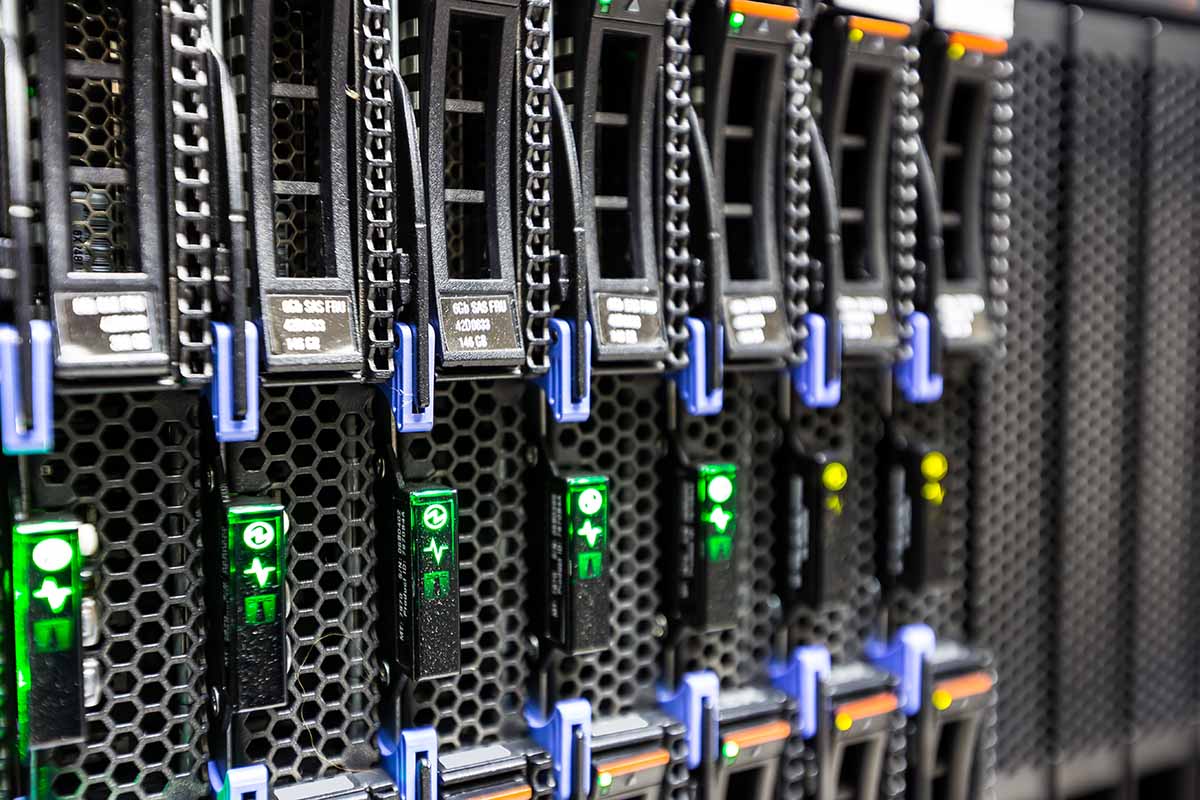
While the energy needs, water consumption and carbon footprint of data centers have been fairly well documented, Puckett said more attention should be paid to the e-scrap that will result from these facilities. He said previous e-scrap estimates have largely come up short because they focus mainly on servers and accelerators, which account for only about 13% of a data center’s infrastructure. Having more of an impact will be the cooling systems, cabling, battery banks and other items that are needed but not accounted for.
“While most people expect AI data centers to be full of servers on racks and the connections between them, the hardware inside the building is made up of far more than this — and most of this will face rapid obsolescence due to technical innovation,” he wrote.
Further worsening the problem, he said, is the “cattle not pets” approach to equipment that’s used at many data centers. Most center equipment will get replaced at least every five years — with some, such as accelerators and servers, replaced in half that time — creating more waste faster than conventional replacement cycles would expect.
These factors also create a new type of AI-related e-scrap, which Puckett refers to as AI waste contagion. This is equipment retired outside of centers that is forced into obsolescence by AI’s rapid growth. These computers, phones and telecommunications infrastructure pieces that can’t keep up with AI’s acceleration are expected to amount to between 16-30 metric tons of e-scrap per year, more than the estimated 15.5 metric tons per year of scrap generated inside data centers.
Adding in contagion and all related data center equipment, Puckett estimates the amount of retired equipment resulting from data centers exceeds previous estimates by 40-60 times.
“The cumulative AI-driven electronic equipment being retired between 2025 and 2050 (395–617 metric tons) would fill 15 million-23 million 40-foot shipping containers,” he wrote. “Placed end to end, they would circle the Earth about six times.”
Certain changes could alter these estimates, Puckett said, including equipment lifespans exceeding expectations and modular servers allowing for part upgrades rather than total replacement. But industry trends indicate the opposite is happening, he said.
This means the time is now, he said, to prepare and account for what’s coming.
“Many in the ITAD industry are viewing the AI horserace as a gold mine for business, the most lucrative of which will be refurbishing and reselling the surplus hardware following the buildout boom and likely rapid refresh cycles,” he wrote. “Surely there will be a massive demand for fast but not fastest equipment in developing countries, in lower-tier data centers and inference workloads. The question is a valid and open one: Will reuse save us from an e-waste tsunami? Surely the hyperscalers are planning to ensure such a future.”
Parts 2-4 of the paper will focus, respectively, on quantifying the potential for reuse and repurposing; the toxicity of the waste coming from these facilities; and what can be done to mitigate the issue.
BAN works to curb pollution resulting from e-scrap, end-of-life ships and plastic.