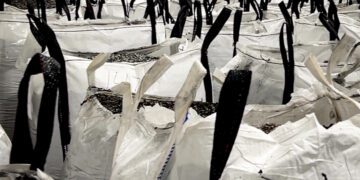




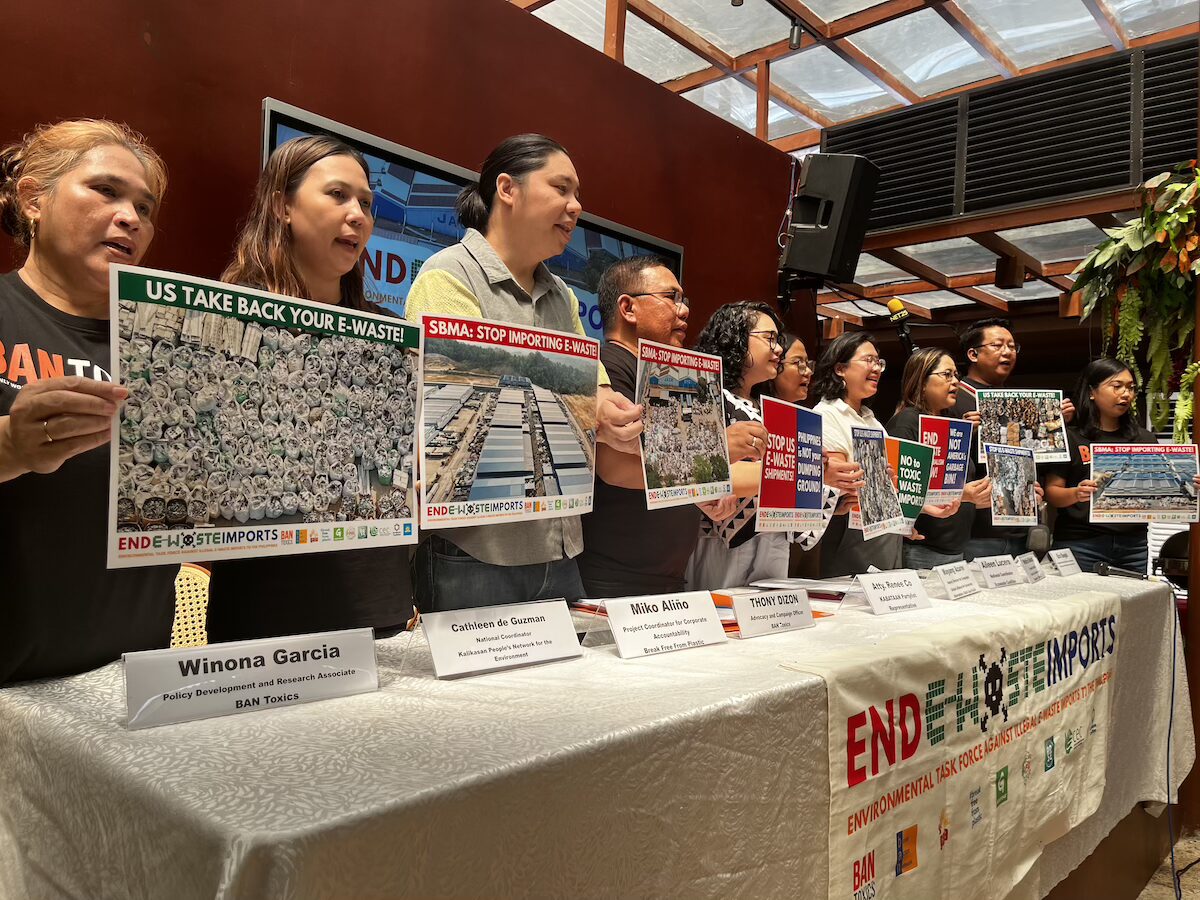
Hundreds of containers of suspected discarded electronics have been illegally dumped in the Philippines since last year, according to a task force charged with stopping the activity.
The Environmental Task Force Against Illegal E-Waste Imports to the Philippines spoke on the matter last week in Quezon City.
Task force members from the Basel Action Network (BAN) began tracking shipments to the Philippines in March 2025 as part of the agency’s Operation Can Opener (OCO) initiative. Using trade data and GPS tracking devices placed in nonfunctional devices, it warned the government that loads of suspected e-waste were included on ships coming from the United States.
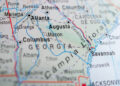
Several of those tracking devices ended up in the Subic Bay Freeport Zone. BAN sent 14 OCO alerts to several government agencies in the Philippines flagging those shipments as violating the Basel Convention, which bans dumping e-waste in other nations. But the Bureau of Customs there told BAN it couldn’t act because of a regional court ruling in April 2025 declaring the Subic Bay Freeport as a separate customs territory, exempting it from the Basel Convention; the Philippines is a party to the Basel Convention, while the US is not.
“We vehemently condemn the Manila Regional Trial Court ruling that paves the way for the entry and dumping of imported e-waste in the Philippines,” said Thony Dizon, BAN’s toxics campaign and advocacy officer. “It is alarming and constitutes a clear encroachment of our environmental protectional obligations and national sovereignty.”
BAN said at least 234 containers of suspected e-waste have been sent from the US to the Philippines since March 2025. The group also said it’s heard of a possible agreement between the US and Philippines allowing potentially hazardous waste to enter the Philippines, which it claims also violates the Basel Convention.
“This is not acceptable,” said Jim Puckett, BAN co-founder and chief of strategic direction. “Countries cannot carve out territories and say that the Basel Convention does not apply there, just to allow hazardous waste trade that does not comply with Basel rules.”
Legislators in the Philippines have pushed back on e-waste for some time now. The Daily Tribune reported that the nation’s House of Representatives has been pressed since early this year to investigate suspected illegal imports. As far back as 2023, researchers from Yale University called out e-waste problems in the Philippines due to underreporting and a lucrative informal dismantling market there.
That’s created environmental concerns that this most recent activity has exacerbated, according to Mayang Azurin, deputy director of the Global Alliance for Incinerator Alternatives Asia Pacific advocacy group. Allowing more e-waste imports might improperly send a signal that the Philippines wants more materials brought in.
“E-waste is not merely a source of minerals. It contains toxic substances that can contaminate air, water, soil and threaten the health of workers and surrounding communities,” Azurin said. “What is being marketed as innovation and sustainability risks becoming yet another example of environmental burden-shifting.”
The task force is launching a campaign to raise awareness and mobilize community action to stop the imports. The campaign will also look for the government there to ban imports and enforce Basel measures.