


The e-scrap recycled plastic market is expected to see solid growth in the next six years, according to a new market report from QY Research, reaching eight figures by 2032.
The report found the global market to be worth about $8.8 billion as of now. Increased e-scrap volumes, expanded recycling infrastructure and rising demand for post-consumer recycled material is expected to fuel annual growth of roughly 6%, climbing to $13.1 billion in 2032.
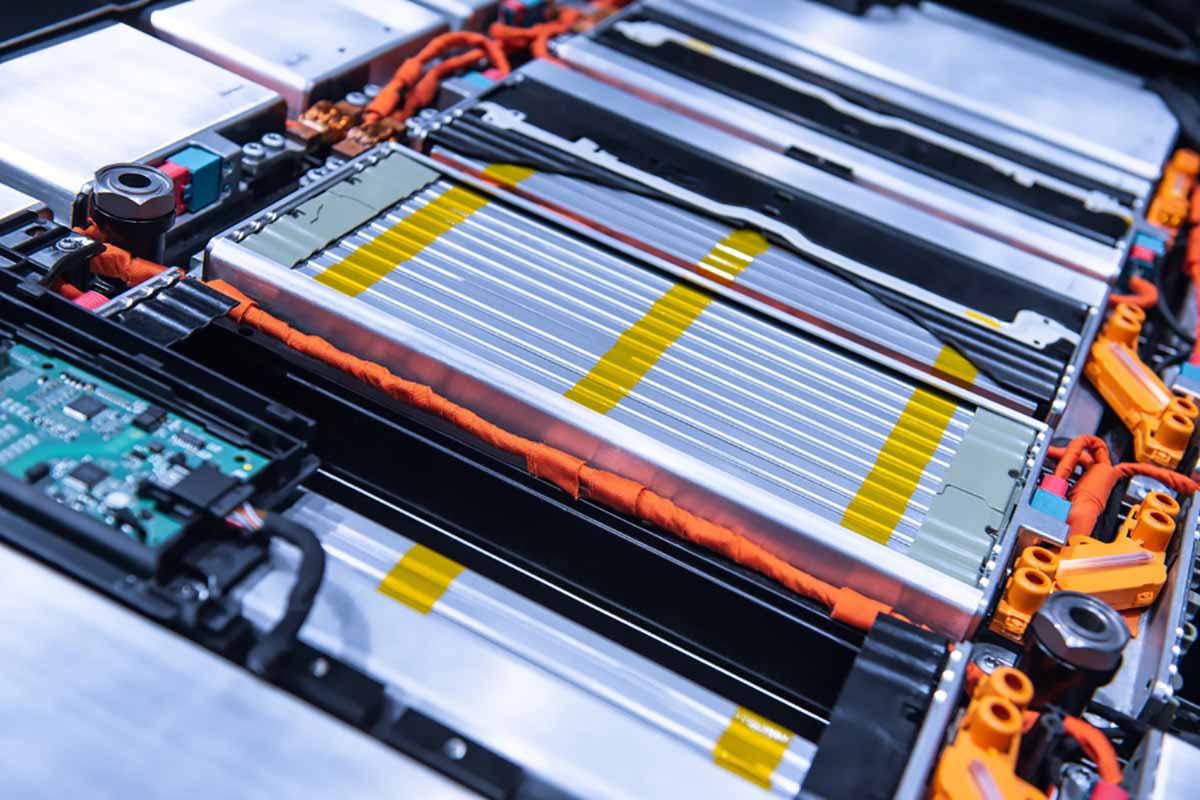
Plastics that are commonly found in e-scrap include polystyrene (TV sets) and polypropylene (washing machines), as well as thermoplastic polyurethane and polycarbonate materials used i
n mobile devices.
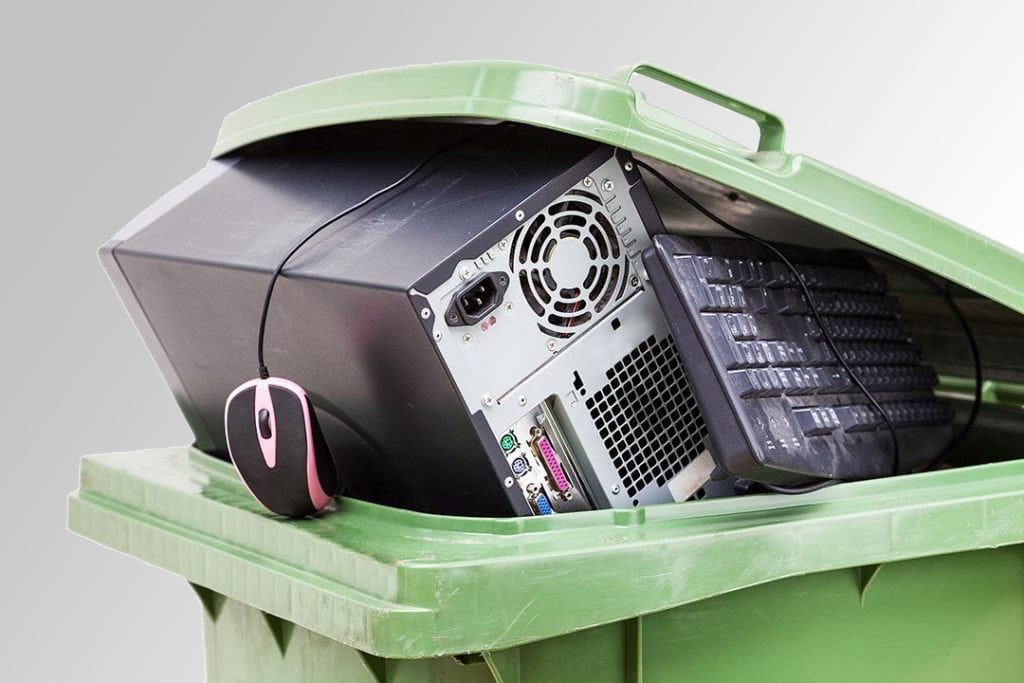
But, despite the market’s growth, many of these materials still go uncaptured. About 27% of the 62 million metric tons of e-scrap created each year is plastic, but less than a quarter of all e-scrap gets recycled, according to the United Nations Institute for Training and Research. And the increasing volume of electronics getting made, combined with faster turnover rates, have created a lot more recoverable material.
Recycling more of those plastics would require companies to maintain stable collection systems, including take-back programs and retailer returns, the report found. The authors expect growth despite poor recycling rates because end-use industries seek recycled content, the amount of applications for recycled material is increasing and the technology to recover the material is improving.
“One of the key growth drivers is the increasing need for high-quality and efficient products across multiple industries,” the authors wrote. “Companies are investing in product innovation, advanced materials, improved manufacturing processes and customized solutions to meet changing customer requirements.”
Demand is expected to be particularly high in emerging economies, the authors said. Markets with rapid industrialization and growing infrastructure have created opportunities for manufacturers and suppliers. And in more mature economies, regulatory requirements have created more need for recycled materials that comply with local rules and sustainability requirements.
“Companies that comply with global standards and invest in sustainable practices are expected to gain stronger market acceptance,” the authors said.
Aside from products not entering the recycling stream, other market challenges the authors identified include wide availability of cheap virgin plastic products, supply chain disruptions and unclear regulations. Quality improvement and product differentiation can help companies overcome those issues, they said.
E-scrap plastics that are recycled most commonly end up in home appliances and consumer electronics, the report found.