




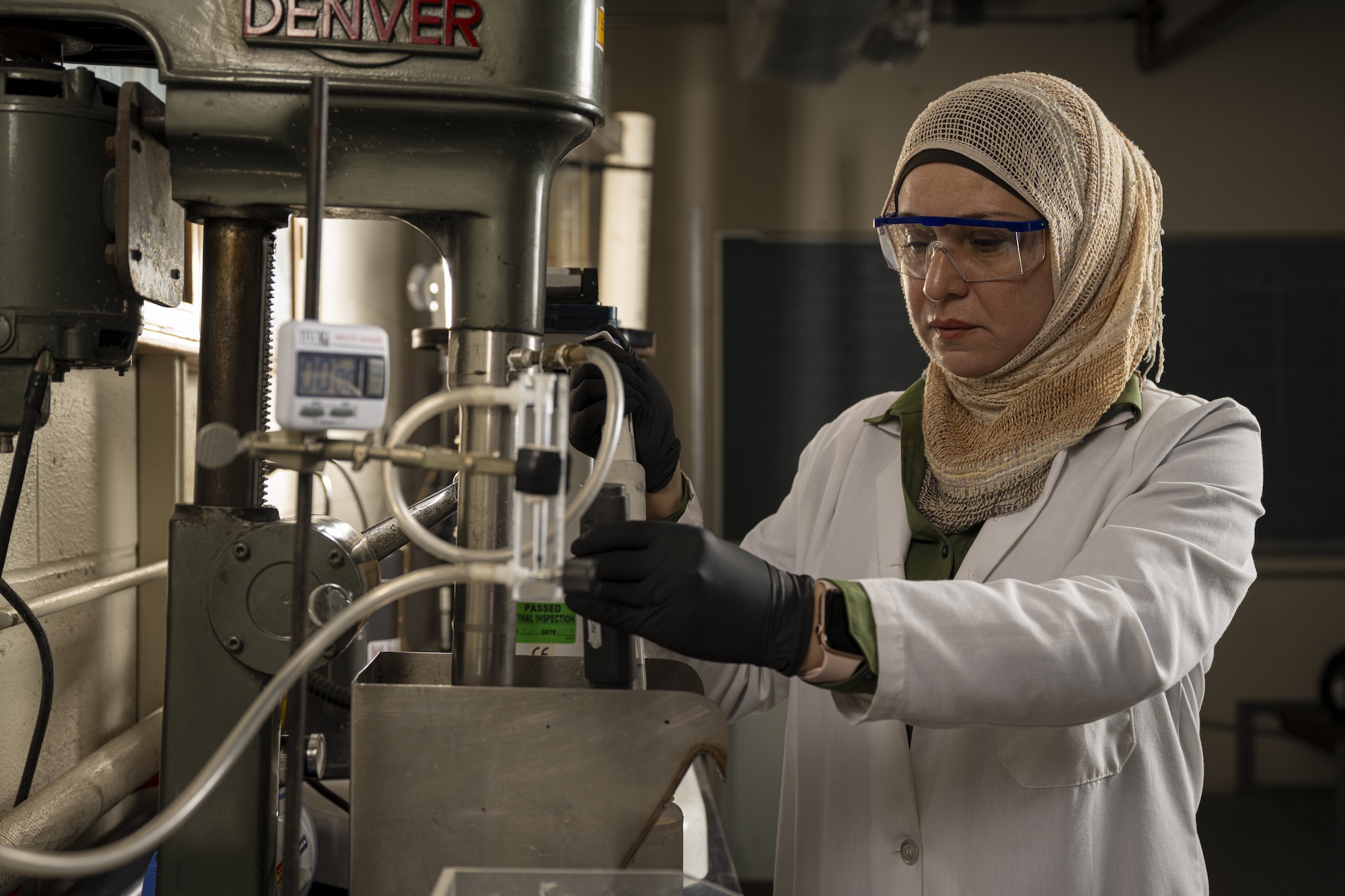
A nine-figure grant will help a Midwest higher education consortium strengthen critical mineral supply chains nationwide.
The Critical Materials Crossroads Engine (CMCE) received an award of up to $160 million from the National Science Foundation (NSF) Regional Innovations Engine program.
Led by the University of Missouri-Kansas City (UMKC), CMCE was launched in 2022 to research how to onshore critical mineral production and create a circular supply chain. The group brings together researchers from universities across Missouri and Kansas, as well as hundreds of municipalities and businesses in the region.
The award positions the region to serve as a hub for critical mineral innovation, according to UMKC Chancellor Mauli Agrawal. CMCE will use the funds to help bolster the regional critical minerals ecosystem, creating an internationally competitive innovation cluster.
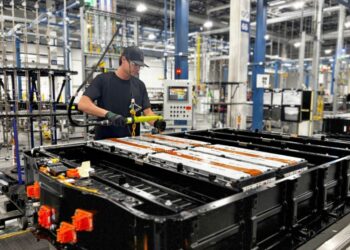
Plans are to increase production of metals for electronic components like batteries and semiconductors, using concentrated ore and recovered materials. In addition to helping the nation decrease its reliance on foreign sources, CMCE’s work is expected to create up to 10,000 jobs in the next decade in manufacturing, research and logistics.
“Critical Materials Crossroads represents a once-in-a-generation opportunity to strengthen America’s economic and national security,” Agrawal said.
Leading the group’s mineral extraction and concentration research will be Missouri University of Science and Technology, which operates a mining and metallurgy department.
“Missouri S&T’s role as a leader in critical minerals research is unique because it spans the full pathway from mineral extraction and concentration to processing and commercialization,” said Kwame Awuah-Offei, the university’s chair of mining and explosives engineering. “That breadth of expertise allows us to solve challenges across every stage of the critical materials supply chain.”
Anthony Caruso founded CMCE to solve what he and collaborators see as one of the nation’s most pressing challenges. He’s the principal investigator for the initiative.
“For decades, the United States has steadily lost much of the workforce, infrastructure and manufacturing capacity required for critical materials production,” said Caruso, who is also UMKC’s vice chancellor for strategic initiatives.
Industry leaders pressed Congress on that issue last month. They said China controls 70%-90% of global critical mineral processing capability, while the US is at least 50% reliant upon foreign sources for nearly three dozen minerals.
“This investment allows us to rebuild that capability here in America,” Caruso said.
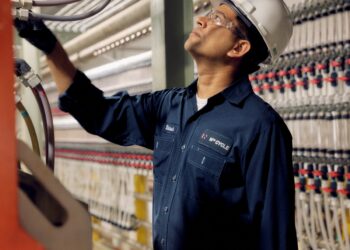
Among the companies taking part in the consortium are battery manufacturer EaglePicher Technologies, Wagner Logistics and Indiana-based rare earth element refiner ReElement Technologies.
The initiative “brings together the research, industrial, commercial and government partners needed to strengthen America’s domestic critical mineral supply chain,” said Kirk Taylor, chief financial officer for ReElement, which is a holding of American Resources. “Meaningful progress requires coordinated public-private investment.”
CMCE won one of 12 awards given by NSF from among 285 proposals. The awards were issued to build and scale innovation in critical technologies, talent development and economic growth. The consortium will receive $15 million over the first two years and could receive up to $160 million by 2036, depending on the progress made on pre-determined milestones.