




Recovery of PET thermoforms reached a record 264 million pounds in 2024, while use of PCR fell on the year, according to a new industry report.
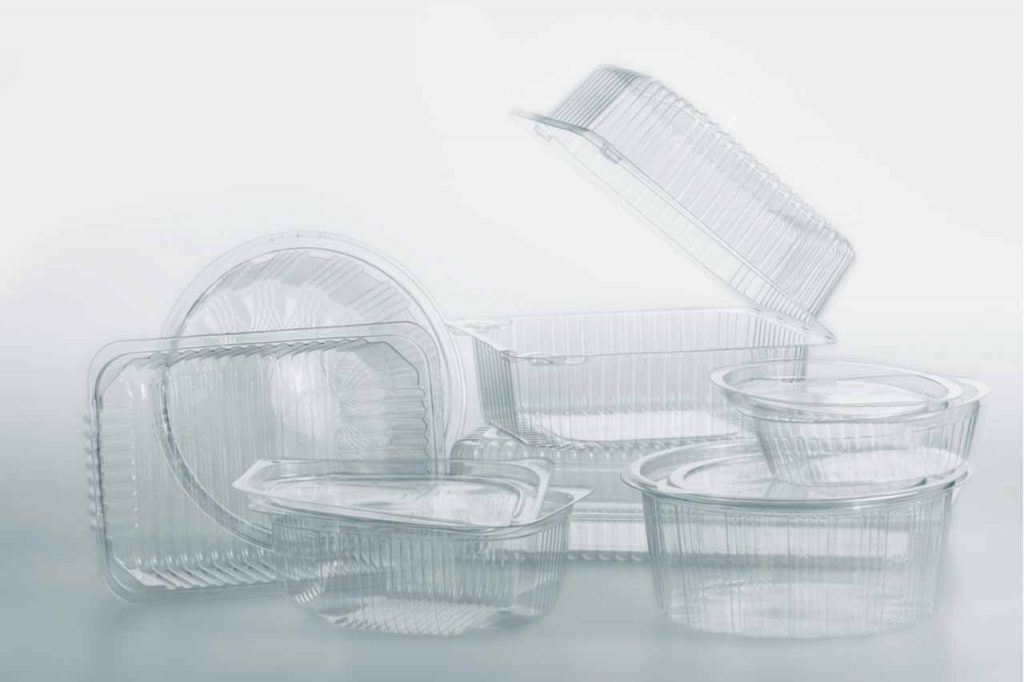
The record volumes include material recovered domestically and exports for reclamation, reflecting continued progress in collecting and recycling of PET trays, cups, clamshells, tubs and other thermoformed packaging, the National Association for PET Container Resources (NAPCOR) said in its PET Thermoform Market Analysis.
Along with rising recovery volumes, the share of thermoforms in curbside bales increased, NAPCOR said.
“We see higher fractions of PET thermoforms as the primary driver of increased recovery in recent years,” said Lauren Laibach, director of data services at NAPCOR. “On average, thermoforms now make up between 10 and 20 percent of US curbside PET bales. These levels exceed limits generally preferred by mechanical recyclers, but PET thermoforms are a desired feedstock for depolymerization, which also helped drive recovery in 2024.”
However, the use of PCR fell to 12%, from 18% in 2023, representing a widening circularity gap for PET thermoforms despite increased collection, the association said. And while food packaging remained the dominant end market for PET thermoforms, at about 79%, non-food/non-medical applications heavily drive PCR content, the report found. PCR adoption in many food-contact applications remains constrained by performance, regulatory and market factors, NAPCOR added.
“There hasn’t been corresponding growth in PCR content usage in PET thermoforms, according to our survey results,” Laibach said, adding that non-food/non-medical applications are using recycled content at significantly higher ratios than in food packaging.
“Survey respondents reported that over 84% of their PET thermoform sales to food/foodservice markets were 100% virgin, while that fraction for non-food/non-medical applications was only 35%,” she said. “This may be related to a higher cost factor for incorporating recycled content in food-contact applications, but it shows there is significant room for growth of PCR usage in this segment.”
During the year, thermoform converters bought more than 2.05 billion pounds of PET feedstock, 79% of which was virgin resin.
PET thermoforms largely continue to be commingled with PET bottles in recycling streams, rather than through a dedicated stream, which highlights the growing role of technologies such as AI-enabled optical sorting to help recover more thermoforms.
Even so, the report points to ongoing recycling challenges from contamination, processing losses and limited recycling infrastructure dedicated to thermoforms.
Although this is the fifth annual report, it represents the first standalone version for thermoforms.
“PET thermoforms continue to play an essential role in protecting food, reducing waste, and delivering products safely to consumers,” said Laura Stewart, executive director of NAPCOR. “Our analysis shows encouraging growth in recovery while also highlighting the infrastructure, market, and policy challenges that must be addressed to further improve circularity.”
Over the past two years, the industry has faced growing economic pressures, leading to a decrease in PET recycling capacity amid market instability and rising imports of both RPET and virgin PET resin.
“PET thermoform manufacturers are a critical segment of NAPCOR membership and the PET value chain,” stated Tom Busard, NAPCOR board chair; chief polymers and recycling officer for Plastipak Packaging, and president of Clean Tech, Plastipak’s recycling affiliate. “Continued circular progress for this packaging will require investment in collection and processing infrastructure, technological innovation, and policies that recognize both the recyclability of PET packaging and the realities of today’s recycling systems.”