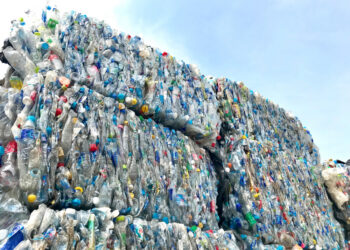


A nonprofit group charged with helping bring packaging plastics into compliance with the EU’s Packaging and Packaging Waste Regulation (PPWR) program has conducted more than 500 recyclability evaluations, ahead of the first enforcements starting next month.
The most recent evaluations include Avery Dennison’s RFID tag for PET bottles, a first-to-market recognition for the US-based materials science and digital identification company.
Based in Brussels, Belgium, RecyClass evaluates plastic packaging features used in the EU against its science-based testing protocols. Independent, third-party testing facilities conduct assessments, which inform RecyClass’s evaluations of packaging materials.
The evaluations have supported the validation of numerous packaging innovations, including laminating adhesives for flexible packaging, plastic-based trigger sprayer components to replace metal springs, and adhesive labels for PET and HDPE bottles.
“This achievement demonstrates the growing need for robust scientific data to support recyclable packaging design and help companies prepare for upcoming regulatory requirements,” the group said in a statement.
Paolo Glerean, chairman of RecyClass, said, “The more than 500 evaluations conducted by RecyClass have contributed to a better understanding on how to tackle the key challenges of plastic packaging recyclability.”
RecyClass and North America’s Association of Plastic Recyclers (APR) recently reported on their third year of collaboration, toward accelerating global harmonization of plastic recyclability standards and solutions.
APR owns Resource Recycling, Inc., publisher of Plastics Recycling Update.
RFID tags move forward
Just this month, US-based Avery Dennison received RecyClass Technology Approval for its AD CleanFlake RFID tags, becoming the first such product to be recognized by both RecyClass and APR for compatibility with mechanical PET recycling streams.
Avery Dennison paired its CleanFlake adhesive with an RFID inlay and label that ensure clean removal of RFID tags from rigid PET during the mechanical recycling process. Traditional RFID tags – used to help provide tracking and other functions – contain metal, adhesives and other materials that interfere with recycling.
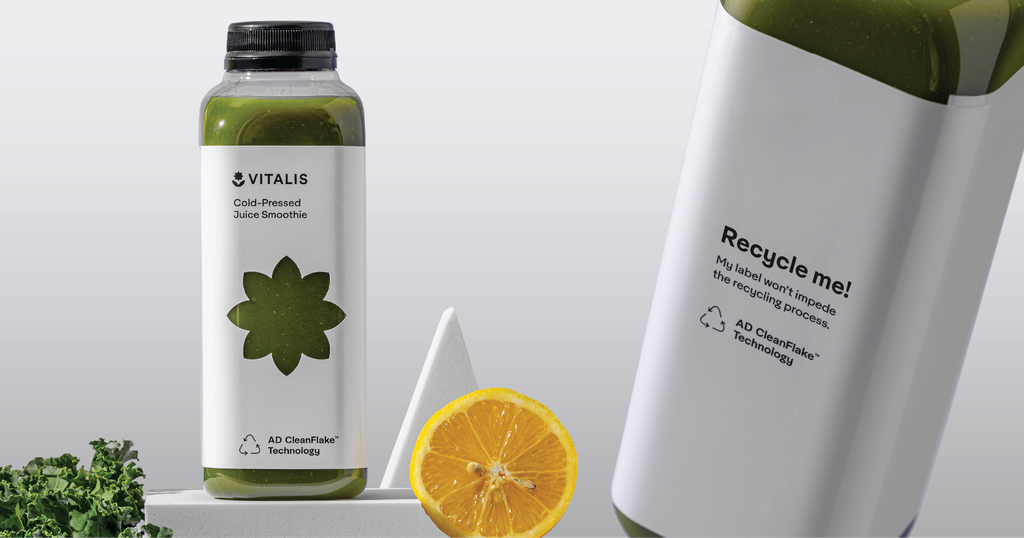
The use of recycling-compatible RFID inlays, tags and adhesives improves material recovery and sortation rates, while supporting brand owners in meeting sustainability goals, Avery Dennison said in a statement.
Pascale Wautelet, vice president, global R&D and sustainability for Avery Dennison Materials Group, said, “When APR recognized the AD CleanFlake RFID products, it validated that RFID and PET recyclability no longer have to be in conflict. We’re proud that RecyClass Technology Approval validates our RFID tag compatibility with the European PET bottles recycling stream.”
Glerean of RecyClass added, “The core purpose of RecyClass Technology Approval is to advance and recognize circular packaging technologies through science-based testing methodologies that evaluate recyclability. Given the stringent criteria applied, combined with Avery Dennison’s clear commitment to advancing circularity on a global scale, this Approval serves as a testament that recyclable solutions are readily available on the market and jointly we can work towards achieving the upcoming legislative targets.”