




Europe is sitting on a growing stockpile of cobalt, lithium, rare earths, and other critical materials. Most of it is being lost.
A major Horizon Europe-funded research project has just put numbers to that problem. The Future Availability of Secondary Raw Materials project, which spent four years modeling how much critical raw material value is embedded in Europe’s waste streams and how much could realistically be recovered by 2050, has published its final report. The conclusions are uncomfortable reading for an industry that has long known collection and processing rates are poor, but has lacked the data to show just how poor.
The scale of the miss
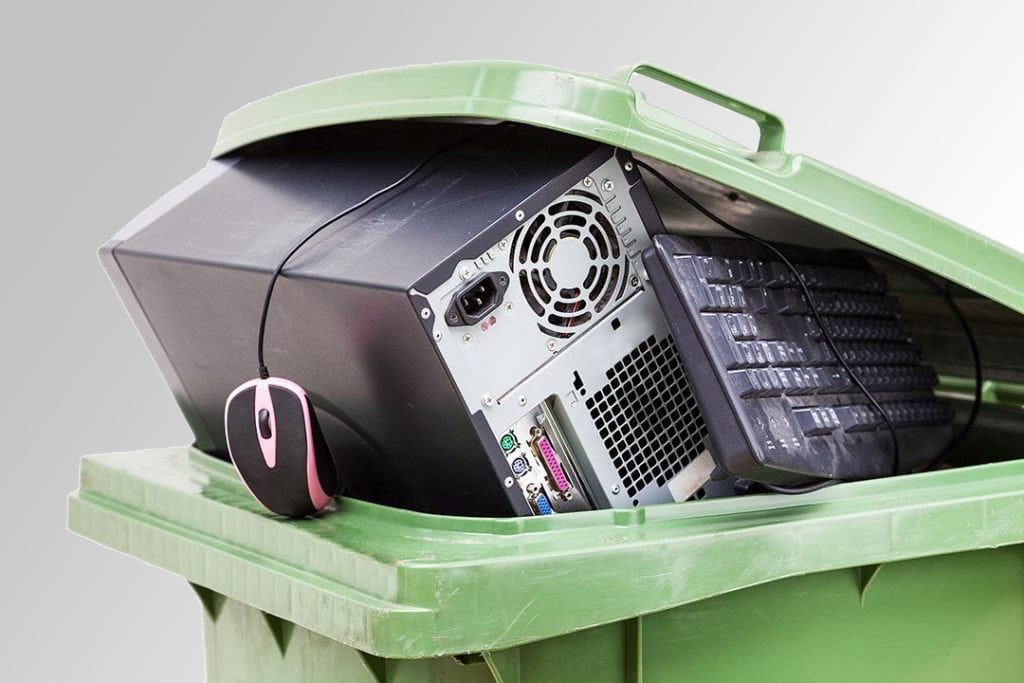
FutuRaM examined six waste streams: batteries, electronics, vehicles, mining residues, slags and ashes, and construction materials. Waste electrical and electronic equipment came out as one of the most material-rich and most poorly recovered of the group.
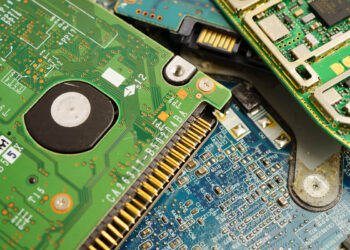
Printed circuit boards, lithium-ion batteries, and rare-earth-bearing magnets concentrate more critical materials per kilogram than most primary ores. Yet a significant share of that equipment never reaches a formal recycler. Devices get stockpiled in drawers, sold into grey markets, or exported before European refineries ever see them. Even when WEEE does enter the formal system, it is not always processed by facilities equipped to recover the full range of metals present.
The report presents scenarios rather than a single recovery figure, showing how outcomes shift depending on collection rates, processing technology, and regulatory enforcement—but the gap between current practice and the high-recovery scenarios is wide enough to constitute a strategic problem, not just an operational one.
What it means for the business case
One of FutuRaM’s more useful contributions is borrowing a classification framework from the mining industry and applying it to secondary materials. Under the United Nations Framework Classification for Resources, a primary ore deposit gets rated on economic feasibility, technical maturity, and environmental and social factors before anyone sinks capital into developing it. FutuRaM applies the same logic to urban deposits, including stockpiles of WEEE.
The practical effect is that a pile of circuit-board-rich shred or magnet-containing components now has a rating that reflects why it is or isn’t being recovered. Low rating? That means insufficient processing scale, missing refining steps, uncertain buyers, or regulatory friction. The classification doesn’t solve those problems, but it names them in language that works in a boardroom or a policy meeting.
For recyclers and ITAD operators, that framing has a direct commercial application. Investors and project financiers don’t fund vague ambitions to recover more material. They fund projects with identified bottlenecks, costed solutions, and a credible path to returns. A classification system that names the specific barriers to recovery gives industry something to build a capital case around.
The policy pressure building behind it
FutuRaM lands at a moment when European supply-chain policy is moving fast. The Critical Raw Materials Act sets domestic sourcing and recycling targets for materials the EU considers strategically important. FutuRaM’s data gives regulators a cleaner line of sight into where the gaps are, and that is likely to translate into pressure on collection rules, export enforcement, and refining investment.
For industry stakeholders this means recovering critical materials from e-scrap is not framed primarily as an environmental obligation. It is increasingly treated as a supply-security issue, which brings different budgets, different political will, and different consequences for non-compliance.
What to watch
The report’s underlying logic is that material that leaves the formal system cannot be counted, and material that cannot be counted cannot contribute to Europe’s secondary supply targets. Business models that keep assets traceable, through data wiping records, chain-of-custody documentation, and verified downstream processing, are better positioned as that scrutiny increases.
As enforcement tightens around illegal exports and uncontrolled material flows, the audit trail becomes less of a differentiator and more of a baseline requirement.
FutuRaM’s full report is available at futuram.eu.