Resource Recycling
  • The Latest
  • Analysis
    • All
    • Certification Scorecard
    • Industry Announcements
    • Opinion
    Our top stories from June 2022

    e-Stewards adds RGX as enterprise partner

    MP Materials breaks ground on rare earth magnet campus in North Texas

    How critical mineral alliances aim to shape the future of e-scrap metals

    Certification Scorecard — Week of May 18, 2026

    Aurubis: Thefts involved scrap sample manipulation

    Metals and electronics recyclers report growth

    Plastic packaging

    Why SB 54 source reduction planning is becoming the industry’s most challenging EPR test

    Recycler cites market pressure in short-term closure

    AI, data anxiety push enterprises to destroy working devices: report

  • Conferences
    • Resource Recycling Conference
    • Plastics Recycling Conference
    • E-Scrap: The Longevity Conference
    • Textiles Recovery Summit
  • Publications
    • E-Scrap News
    • Plastics Recycling Update
    • Policy Now
    • Resource Recycling
    • Other Topics
      • Brand Owners
      • Critical Minerals
      • Glass
      • Grant Watch
      • Markets
      • Organics
      • Packaging
      • Research
      • Technology
      • Textiles
      • All Topics
Subscribe
No Result
View All Result
Resource Recycling
  • The Latest
  • Analysis
    • All
    • Certification Scorecard
    • Industry Announcements
    • Opinion
    Our top stories from June 2022

    e-Stewards adds RGX as enterprise partner

    MP Materials breaks ground on rare earth magnet campus in North Texas

    How critical mineral alliances aim to shape the future of e-scrap metals

    Certification Scorecard — Week of May 18, 2026

    Aurubis: Thefts involved scrap sample manipulation

    Metals and electronics recyclers report growth

    Plastic packaging

    Why SB 54 source reduction planning is becoming the industry’s most challenging EPR test

    Recycler cites market pressure in short-term closure

    AI, data anxiety push enterprises to destroy working devices: report

  • Conferences
    • Resource Recycling Conference
    • Plastics Recycling Conference
    • E-Scrap: The Longevity Conference
    • Textiles Recovery Summit
  • Publications
    • E-Scrap News
    • Plastics Recycling Update
    • Policy Now
    • Resource Recycling
    • Other Topics
      • Brand Owners
      • Critical Minerals
      • Glass
      • Grant Watch
      • Markets
      • Organics
      • Packaging
      • Research
      • Technology
      • Textiles
      • All Topics
Subscribe
No Result
View All Result
Resource Recycling
No Result
View All Result
Home Recycling

California data shows PCR backsliding among major brands

byJared Paben
October 5, 2021
in Recycling
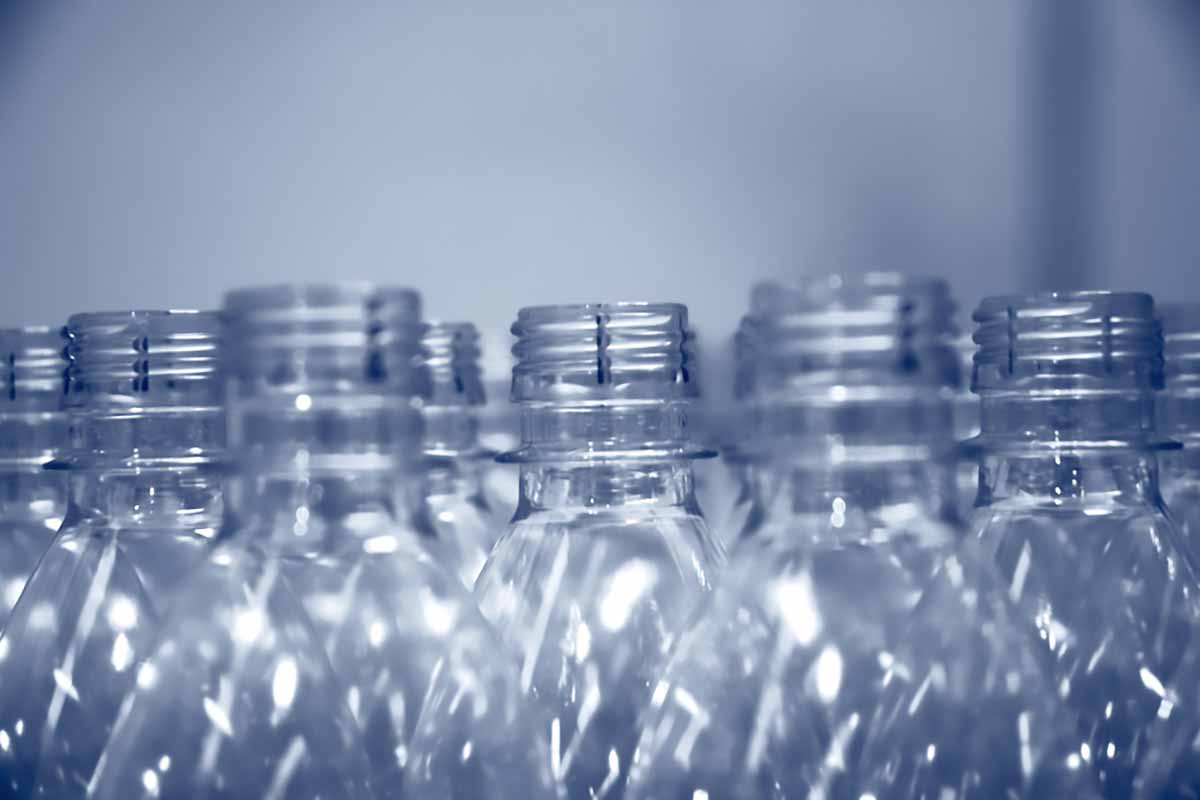
Data from California shows some major beverage producers used lower percentages of post-consumer resin in 2020 than they did in 2019. | tezzstock / Shutterstock

The clock is ticking on California’s law mandating recycled plastic in drink bottles, and some beverage producers still have a long way to go, newly released data reveals.

California officials posted plastic usage reports showing that some major beverage producers, including Coca-Cola North America, Niagara Bottling, PepsiCo Bottling Group and Nestle Waters US, actually used lower percentages of post-consumer resin (PCR) in 2020 than they did in 2019, the year before COVID-19 struck North America.

And the documents show a number of other well-known brand names continued using zero recycled plastic last year.

Meanwhile, the Golden State’s recycled-content requirements are fast approaching. Passed and signed into law last year, Assembly Bill 793 mandates that all plastic bottles covered by the state’s container redemption program average at least 15% PCR starting in 2022. That mandate increases to 25% in 2025 and 50% in 2030.

Many major drink makers are already exceeding the 15% PCR mandate – some by significant margins – but others are way short. The following are 2020 (and 2019 comparison data when available) PET numbers from California beverage producers using at least 1 million pounds of PET and some level of PCR (organized by largest plastic user to smallest): 

Coca-Cola North America: 171.57 million pounds of total PET, 10% of which was PCR (down from 19% in 2019).

Niagara Bottling (also a private label producer for Walmart, Safeway, Costco and others): 130.86 million pounds, 20% PCR (down from 35% the year before).

Pepsi Cola Bottling Group: 97.30 million pounds, 18% PCR (down from 20%).

CG Roxane-Crystal Geyser Alpine Spring Water: 50.69 million pounds, 37% PCR (up from 20%). 

Nestle Waters US: 48.07 million pounds, 33% PCR (down from 36%).

Premium Waters (also a private label producer): 8.05 million pounds, 72% PCR (up from 0% PCR).

Hydration Source (water producer): 3.84 million pounds, 12% PCR (up from 0.3%).

Chameleon Beverage (water producer): 2.06 million pounds, 48% PCR (up from 47%).

Danone Waters of America: 1.60 million pounds, 23% PCR (up from 20%).

Dolgen California (owner of Dollar General stores): 1.29 million pounds, 11% PCR (down from 17%).

The following are companies that used at least 1 million pounds of virgin PET but reported either zero PCR used or omitted PCR data entirely (ordered from largest to smallest plastic user): 

  • BA Sports Nutrition (owner of the Body Armor drink brand): 42.63 million pounds.
  • American Bottling (Dr Pepper Snapple Group’s wholly owned bottler): 19.13 million pounds.
  • Crystal Geyser Water Co. (sparkling water producer that operates independent of CG Roxane but has some shared ownership interest): 7.12 million pounds.
  • Lassonde Pappas and Company: 4.63 million pounds.
  • Mott’s: 4.39 million pounds.
  • FIJI Water: 4.16 million pounds.
  • Unix Packaging: 3.59 million pounds.
  • Arizona Beverages USA: 2.93 million pounds.
  • Langer Juice Co.: 2.05 million pounds.
  • Refresco Beverages US (independent bottler): 1.05 million pounds.

Under AB 793, starting in 2023, manufacturers that miss the PCR targets are subject to penalty fees of 20 cents for each pound of PCR they fall short, although the California Department of Resources Recycling and Recovery (CalRecycle) can reduce the penalties based on certain factors. 

Starting in 2025, the CalRecycle director has the authority to lower the recycled-content targets either of their own accord or after receiving a petition from beverage manufacturers. The law doesn’t allow the director to lower the targets before 2025, however. 

It’s unknown whether the downfall of nationwide PET reclaimer CarbonLite, which had its headquarters and first plant in the Los Angeles area, played into RPET usage decreases in 2020. Niagara, Nestle Waters and PepsiCo were among CarbonLite’s customers, some of which decreased or canceled their RPET purchases after CarbonLite unilaterally increased its resin prices. CarbonLite CEO Leon Farahnik previously told Resource Recycling that COVID-19 closures also reduced the amount of deposit containers being redeemed in the state, squeezing feedstock supply for CarbonLite.  

California’s recycled-content requirements are relatively new, and they may inspire other states to pass similar laws. Washington state already has. 

But the requirement that beverage producers disclose their recycled-plastic usage in California goes back several years. Assembly Bill 2530, passed and signed into law in 2016, began requiring producers of beverages in the state’s container deposit program to annually disclose the amount of virgin and recycled plastic they used in California starting in 2017. CalRecycle has posted the data online for the public to see. 

Over the years, producers have submitted a wide array of numbers with little consistency. Some report pounds, others report kilograms and others submit data in tons, without indicating whether they’re short or metric tons. Some companies report PRC percentages but not weights, and still others submit forms with little to no information. 

For the 2020 data, however, CalRecycle staff adjusted the submittals to provide some standardization, converting all numbers to pounds. That allows for easier comparisons between companies and from year to year. 

A version of this story appeared in Plastics Recycling Update on September 29.

 

Tags: Brand OwnersPlastics
TweetShare
Jared Paben

Jared Paben

Related Posts

Apple store

Apple leads on inputs, faces questions on ITAD

byDavid Daoud
May 1, 2026

The tech giant is being lauded for environmental performance, but some ITAD operators have questions about the end of life...

Plastic Ingenuity to use PureCycle PP for coffee lids

Plastic Ingenuity to use PureCycle PP for coffee lids

byAntoinette Smith
April 30, 2026

The Wisconsin thermoformer, whose customers include Starbucks, will incorporate PureFive resin in 25% to 100% PCR products.

Disney princesses Anna and Elsa

Disney, toy manufacturers look to reduce plastic packaging

byKeith Loria
April 29, 2026

Many consumers say they are on board with a push to use less plastic in packaging.

AT&T, Compudopt expand e-recycling program

AT&T, Compudopt expand e-recycling program

byAntoinette Smith
April 23, 2026

The communications giant will have more than 200 retail collection points, and the Texas nonprofit will process and distribute old...

CPG Henkel raises PCR targets for 2030

byAntoinette Smith
April 16, 2026

Despite falling slightly short of 2025 goals, the Germany-based consumer brand aims to increase the share of recycled plastic in...

UNIQLO expands textile recycling effort to LA, Dallas

byScott Snowden
March 31, 2026

UNIQLO, WM and Piece of Cake expanded a clothing collection program to Los Angeles and Dallas, building on a New...

Load More
Next Post

Report examines how to boost recycling markets in Texas

More Posts

Bottle bill backers see opportunity for action

PET collapse exposes gaps in US recycling infrastructure

May 15, 2026
Revised CA budget includes $200m for recycling

Revised CA budget includes $200m for recycling

May 20, 2026
Federal PACK Act aims to preempt ‘patchwork’ of state laws

House advances Recycling Infrastructure and Accessibility Act

May 21, 2026
Plastic packaging

Why SB 54 source reduction planning is becoming the industry’s most challenging EPR test

May 19, 2026
Niagara acquires rPlanet Earth assets in California

Niagara acquires rPlanet Earth assets in California

May 15, 2026

Before the Bin: America’s textile waste problem starts in your closet

May 19, 2026
Extruder pushes out natural HDPE pellets at KW Plastics in Troy, Alabama.

Rare look inside the world’s largest plastics recycler

May 13, 2026
Industry descends on DC to fight for PET

Industry descends on DC to fight for PET

May 13, 2026
Aurubis: Thefts involved scrap sample manipulation

Metals and electronics recyclers report growth

May 20, 2026
Retail aisle with paper and plastic packaging.

Loblaw’s recyclability push could reshape packaging design across North America

May 14, 2026
Load More

About & Publications

About Us

Staff

Archive

Magazine

Work With Us

Advertise
Jobs
Contact
Terms and Privacy

Newsletter

Get the latest recycling news and analysis delivered to your inbox every week. Stay ahead on industry trends, policy updates, and insights from programs, processors, and innovators.

Subscribe

Welcome Back!

Login to your account below

Forgotten Password?

Retrieve your password

Please enter your username or email address to reset your password.

Log In

Add New Playlist

No Result
View All Result
  • The Latest
  • Analysis
  • Recycling
  • E-Scrap
  • Plastics
  • Policy Now
  • Conferences
    • E-Scrap Conference
    • Plastics Recycling Conference
    • Resource Recycling Conference
    • Textiles Recovery Summit
  • Magazine
  • About Us
  • Advertise
  • Archive
  • Jobs
  • Staff
Subscribe
This website uses cookies. By continuing to use this website you are giving consent to cookies being used. Visit our Privacy and Cookie Policy.