





Railing and deck manufacturer Trex has not experienced cost pressure relating to war-driven surges in oil prices, executives said during a May 7 investor call.
CFO Prith Gandhi noted that pricing for recycled LDPE feedstock tends to lag virgin PE by several quarters, and generally is less volatile. “This reflects a substitution dynamic,” he said, indicating that the relative stability of feedstock pricing makes products that use recycled feedstocks attractive enough to cause a switch in processes.
“Users of virgin polyethylene typically need to see sustained higher prices before adjusting their production processes to incorporate even modest levels of recycled content, which in turn increases demand and prices for recycled LDPE,” he said.
And because Trex sources its LDPE domestically, “supply of this material is not an issue,” even as other costs increase, such as diesel fuel and aluminum. However, the company has mitigating levers that include improving operational efficiency and implementing price increases for specific products, Gandhi added. “Importantly, these same inflationary pressures also affect our competitors.”
With raw materials constituting a majority of the company’s cost of goods sold (COGS), “especially recycled LDPE,” this dynamic presents a significant competitive advantage, he said, “particularly during periods of raw material inflation, when competitors relying on virgin inputs are more exposed to cost volatility.”
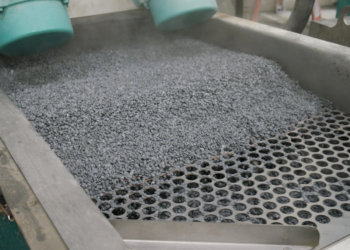
He added that the company’s vertically integrated domestic recycling infrastructure and approximately 95% recycled content drive a highly stable cost profile, which also helps protect profit margins during periods of petrochemical volatility.
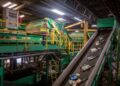
Part of that vertically integrated system is the new plastic board plant in Little Rock, Arkansas. The company is in the final stages of the build-out, which it previously had expected to complete by the end of the first quarter, and expects to start ramping up production in 2027, Gandhi said.
Converting ‘struggling’ consumers requires creative approach
Trex’s focus remains on converting customers in the rail and decking market, in which 75% of purchases are still wood rather than composite.
Historically the customer base for composite decking and railings has been middle- to higher-end consumers, and “consumers on the lower end are still struggling right now. So we’re getting more and more creative as to how we’re going to convert that opportunity,” said CEO Adam Zambanini.
He said Trex is seeing green shoots from increased investment in branding and marketing, including a multichannel media campaign highlighting technical innovations such as heat-mitigating technology. And an ad campaign featuring “No Regrets” and “It’s Alright” spots offer lighthearted pushes toward the benefits of Trex products.
In addition, the February winter storm and prolonged cold weather into early spring caused consumers to defer large repair and remodeling projects, Zambinini said. Even so, he called the quarterly results “solid” – net sales of $343 million, higher by 1% on the year though volumes were lower – and said, “We are actively taking advantage of the current market environment to aggressively invest, ensuring that we capture disproportionate share when the demand normalizes.”
He added that despite expectations that overall repair and remodel activity will be flat to lower for the year, the underlying trends of “ongoing conversion from wood to composite materials, demand for the low-maintenance outdoor living and significant long-term repair and remodel tailwinds have not changed.”
And as activity in the construction sector continues to flag, “we are not waiting for repair and remodel demand to recover,” Zambinini said. “Instead, we are taking a proactive, disciplined action to accelerate growth, strengthen margins and position Trex for sustained outperformance.”
That action includes aligning innovation and advanced manufacturing under new COO Zach Lauer. In addition, the company is beefing up its leadership team, particularly in finance, by adding significant capabilities in data analytics and forecasting, as well as forming an internal pricing group to implement “a more nuanced portfolio-level pricing strategy that balances share and margin while improving responsiveness, Zambinini said.
And throughout the rest of 2026, Trex will add senior roles including a chief commercial officer who will integrate sales, marketing and IT functions. Doing so will help provide commercial visibility for the Trex sales and marketing teams to increase revenue generation, he said.