Resource Recycling
  • The Latest
  • Analysis
    • All
    • Certification Scorecard
    • Industry Announcements
    • Opinion

    AI and the changing economics of retired hardware

    Certification Scorecard — Week of June 8, 2026

    ITAD is moving past its adolescent phase: beyond end-of-life

    Rainforest

    Inside the Circle: What the rainforest can teach us about EPR

    Closeup of a printed circuitboard

    Hardware demand puts new focus on parts harvesting

    Rare look inside the world’s largest plastics recycler

    Mass balance matters: Why different rules can lead to different outcomes 

  • Conferences
    • Resource Recycling Conference
    • Plastics Recycling Conference
    • E-Scrap: The Longevity Conference
    • Textiles Recovery Summit
  • Publications
    • E-Scrap News
    • Plastics Recycling Update
    • Policy Now
    • Resource Recycling
    • Other Topics
      • All Topics
      • Brand Owners
      • Critical Minerals
      • Glass
      • Grant Watch / RFPs
      • Markets
      • Organics
      • Packaging
      • Research
      • Technology
      • Textiles
Subscribe
No Result
View All Result
Resource Recycling
  • The Latest
  • Analysis
    • All
    • Certification Scorecard
    • Industry Announcements
    • Opinion

    AI and the changing economics of retired hardware

    Certification Scorecard — Week of June 8, 2026

    ITAD is moving past its adolescent phase: beyond end-of-life

    Rainforest

    Inside the Circle: What the rainforest can teach us about EPR

    Closeup of a printed circuitboard

    Hardware demand puts new focus on parts harvesting

    Rare look inside the world’s largest plastics recycler

    Mass balance matters: Why different rules can lead to different outcomes 

  • Conferences
    • Resource Recycling Conference
    • Plastics Recycling Conference
    • E-Scrap: The Longevity Conference
    • Textiles Recovery Summit
  • Publications
    • E-Scrap News
    • Plastics Recycling Update
    • Policy Now
    • Resource Recycling
    • Other Topics
      • All Topics
      • Brand Owners
      • Critical Minerals
      • Glass
      • Grant Watch / RFPs
      • Markets
      • Organics
      • Packaging
      • Research
      • Technology
      • Textiles
Subscribe
No Result
View All Result
Resource Recycling
No Result
View All Result
Home Plastics

Coke bottler’s switch to clear PET provides lessons learned

Antoinette SmithbyAntoinette Smith
June 18, 2025
in Plastics
Coca-Cola to eliminate green PET in North America
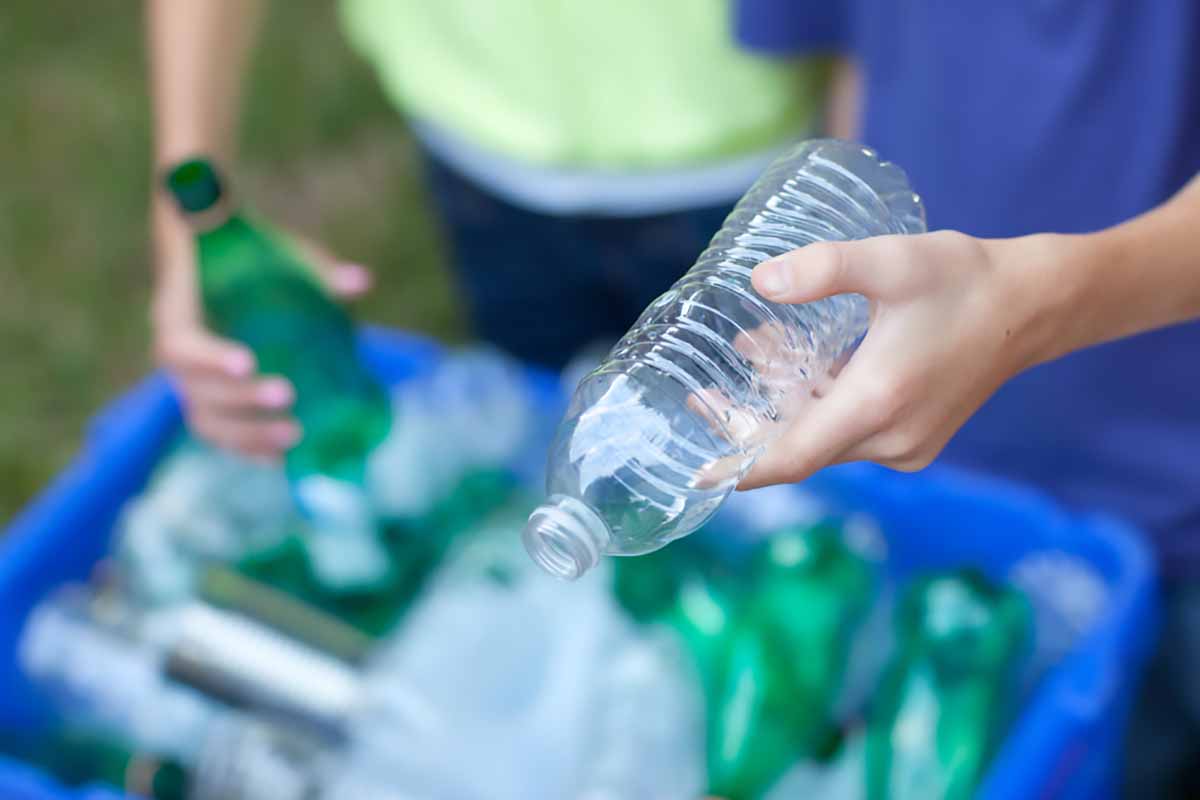
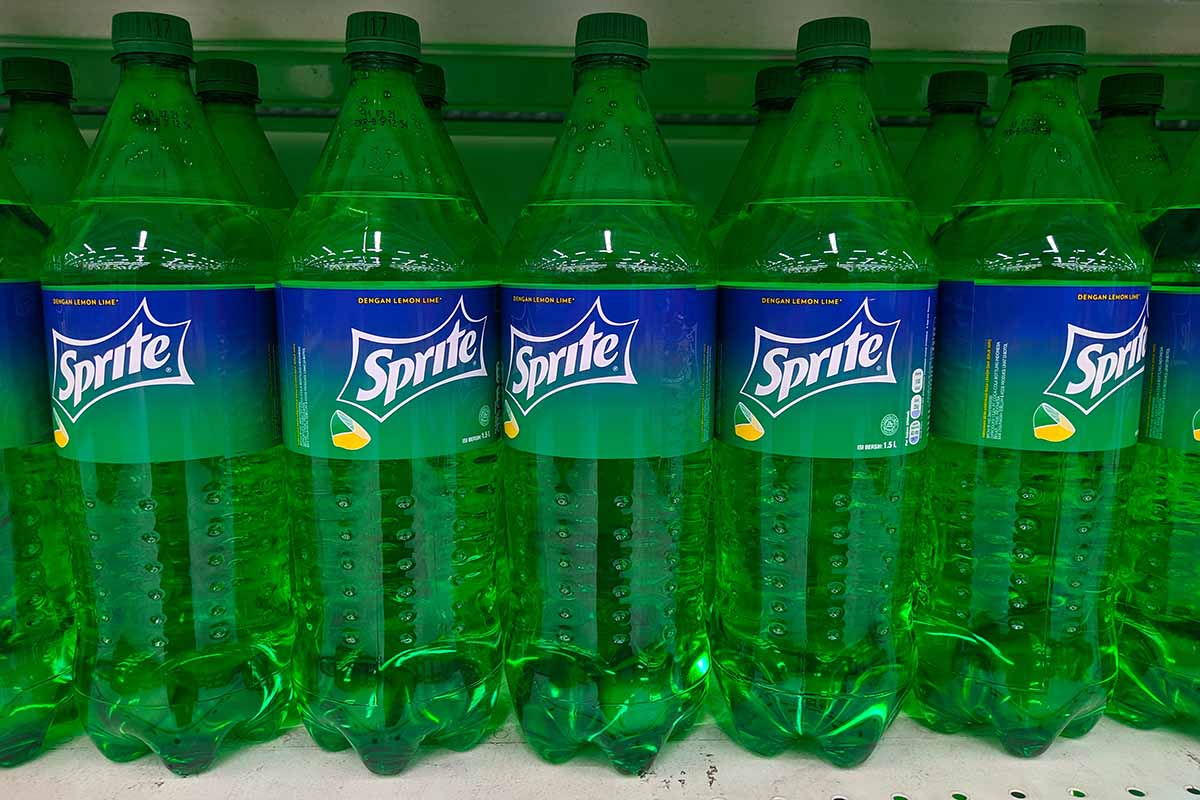
A case study from the Northeast Recycling Council details a regional bottler’s journey from green PET to clear. | Adnan Zain Kautsar/Shutterstock

A recent case study from the Northeast Recycling Council offers insights on transitioning packaging materials, gleaned from a regional Coca-Cola bottler that switched from green PET to clear for several of its products.

The case study, part of NERC’s Guide to Increasing Recycling Supply, explores the process experienced by Coca-Cola Beverages Northeast. The local bottler sells drinks from Coke, Keurig Dr Pepper, Fairlife milk and others in New England and upstate New York.

Coca-Cola North America announced in August 2022 it was switching to clear PET packaging for its Sprite, Fresca and Mello Yello drinks. Like other beverage brands, Coca-Cola sells concentrates and syrups to its nearly 70 bottling partners in North America for manufacture, packaging and distribution, but does not own or operate most local bottling companies, according to its website. 

The primary objective of the switch was to improve the quality of post-consumer PET bales by reducing color contamination, which in turn would improve bottle recyclability and increase the efficiency of plastic reprocessing, the report said. The company did not publish any formal goals, but the move aimed to help increase supply of PCR suitable for use in food-grade applications, according to NERC.

Although the study acknowledges that Coca-Cola’s initiative was voluntary as part of its internal sustainability strategy, the lessons learned can be useful for other companies considering making changes. 

Setting realistic timelines

Among the most significant challenges was the time lag between Coca-Cola ceasing production of green PET bottles and those bottles disappearing from the recycling stream. Previously distributed products took about two years to work their way through retail channels and consumers’ homes, the study found. 

“This delay highlighted the slow turnover of existing packaging in the market and underscored the importance of setting realistic expectations for change implementation in large-scale sustainability efforts,” the study authors said. 

Weighing branding against sustainability 

As expected, the switch to clear PET helped improve recycling rates and streamline the sorting process, according to the study.

Despite the successes detailed in the report, one colored PET bottle remains in the bottler’s company portfolio. Canada Dry is produced by Keurig Dr Pepper, which operates independently and makes all decisions about packaging, the report said. 

“This highlights not only the collaborative challenges that can arise across brand owners in advancing sustainability goals, but also the delicate balance between preserving iconic brand identities and embracing necessary change,” the report authors said. 

Even so, the consumer market responded well to the transition in materials, especially in higher education. “Coca-Cola Beverages Northeast’s sustainability messaging strongly resonated with college and university partners, many of whom face increasing pressure from students to adopt environmentally responsible practices,” the report said. “The shift to clear PET provided a clear and tangible example of progress that institutions could point to when evaluating their beverage providers.”

Increasing economic benefits 

While better recyclability was the biggest driver for Coca-Cola’s decision to transition away from green PET, the report said, the Northeast company saw notable improvements in both the quantity and quality of PET collected. 

And the higher quality also led to more valuable bales, the report said. “Because PET pricing is largely determined by clarity and purity,” the company noted higher pricing per pound for the recycled PET.

MRFs throughout the U.S. sell post-consumer PET bales collected via curbside services, but the Northeast and West Coast markets also offer higher-quality bottle bales, as a result of the concentration of deposit return schemes in those regions. Although PET bale consumption is regional due to the high cost of transportation, recent West Coast pricing offers an example of the correlation between bale quality and pricing. 

The most recent winning bids in California’s state auction for deposit-bottle bales were at a premium of 8.75 cents per pound, or nearly 60%, over curbside bales. The spread with curbside bales that include thermoforms was even wider at 9.75 cents, or 70% higher, according to the PET Recycling Corporation of California, which holds the biweekly auctions. 

In addition, the move to clear PET eased the sorting burden at redemption centers and other recycling facilities by reducing the amount of color-related contamination in the materials stream, the report said. The fact that these quality improvements didn’t require industry partners to make additional investments or workflow changes helped encourage downstream buy-in, the report added.  

However, the transition did bring monetary and logistical challenges. Coca-Cola Beverages Northeast had to secure greater volumes of higher quality clear PET resin, which was more expensive than its green counterpart, and had to make slight adjustments to the production process to accommodate the material in making bottle preforms, the report said. 

Another issue was a modest reduction in product shelf life, because clear PET provides less protection from light than colored bottles. 
Tags: Brand OwnersContainer DepositsPET
TweetShare
Antoinette Smith

Antoinette Smith

Antoinette Smith has been at Resource Recycling Inc., since June 2024, after several years of covering commodity plastics and supply chains, with a special focus on economic impacts. She can be contacted at [email protected].

Related Posts

Northeast recycled commodity values hit 5-year lows

‘Recycling Demand Champions’ honored by APR

byPaul Lane
June 10, 2026

APR is honoring companies committed to using recycled plastic, and it’s looking for more businesses to join the cause.

Various PET thermoform containers.

Thermoform recovery soars, PCR content falls

byAntoinette Smith
June 10, 2026

In its first standalone PET thermoform market analysis, NAPCOR examined production, recycling, PCR use and policy in North America.

War, not demand driving polymer pricing

War, not demand driving polymer pricing

byAntoinette Smith
June 2, 2026

While prices for recycled commodities are tracking rises in virgin markets, few transactions are occurring, said an ICIS analyst.

Data to verify recycling for Indy 500

Data to verify recycling for Indy 500

byAntoinette Smith
May 22, 2026

A verification platform from Circular Solutions will provide independent verification for the world's largest single-day sporting event on May 24.

Niagara acquires rPlanet Earth assets in California

Niagara acquires rPlanet Earth assets in California

byAntoinette Smith
May 15, 2026

Adding the Southern California facility to its operations, Niagara is expanding its beverage manufacturing operations and pursuing vertical integration.

Industry descends on DC to fight for PET

Industry descends on DC to fight for PET

byAntoinette Smith
May 13, 2026

Amid numerous recent hits to the common packaging plastic, a stakeholder coalition is engaging with policy makers to encourage policy...

Load More
Next Post
In My Opinion: Yes, plastics circularity is achievable

Major plastic initiative sets sights on system change

More Posts

House resolution aims to make recyclability central to product design

NY EPR bill fails to advance after third try

June 8, 2026
Various PET thermoform containers.

Thermoform recovery soars, PCR content falls

June 10, 2026
CalRecycle withdraws proposed regs for SB 54

Oceana, NRDC, CAW sue CalRecycle over SB 54 regs

June 5, 2026

Three-bill package aims to revamp Michigan’s bottle return system

June 9, 2026
Recycling industry addresses Beyond Plastics report

Recycling industry addresses Beyond Plastics report

May 26, 2026
Rare look inside the world’s largest plastics recycler

Mass balance matters: Why different rules can lead to different outcomes 

June 5, 2026
Circular Materials to supply PlasCred chem recycling plant

Circular Materials to supply PlasCred chem recycling plant

June 4, 2026

Battery fires still a major risk to recyclers: report

June 9, 2026
Rainforest

Inside the Circle: What the rainforest can teach us about EPR

June 8, 2026
How electronics legislation fared this legislative season

NY sends repairability labeling bill to governor

June 8, 2026
Load More

About & Publications

About Us

Staff

Archive

Magazine

Work With Us

Advertise
Jobs
Contact
Terms and Privacy

Newsletter

Get the latest recycling news and analysis delivered to your inbox every week. Stay ahead on industry trends, policy updates, and insights from programs, processors, and innovators.

Subscribe

Welcome Back!

Login to your account below

Forgotten Password?

Retrieve your password

Please enter your username or email address to reset your password.

Log In

Add New Playlist

No Result
View All Result
  • The Latest
  • Analysis
  • Recycling
  • E-Scrap
  • Plastics
  • Policy Now
  • Conferences
    • E-Scrap Conference
    • Plastics Recycling Conference
    • Resource Recycling Conference
    • Textiles Recovery Summit
  • Magazine
  • About Us
  • Advertise
  • Archive
  • Jobs
  • Staff
Subscribe
This website uses cookies. By continuing to use this website you are giving consent to cookies being used. Visit our Privacy and Cookie Policy.