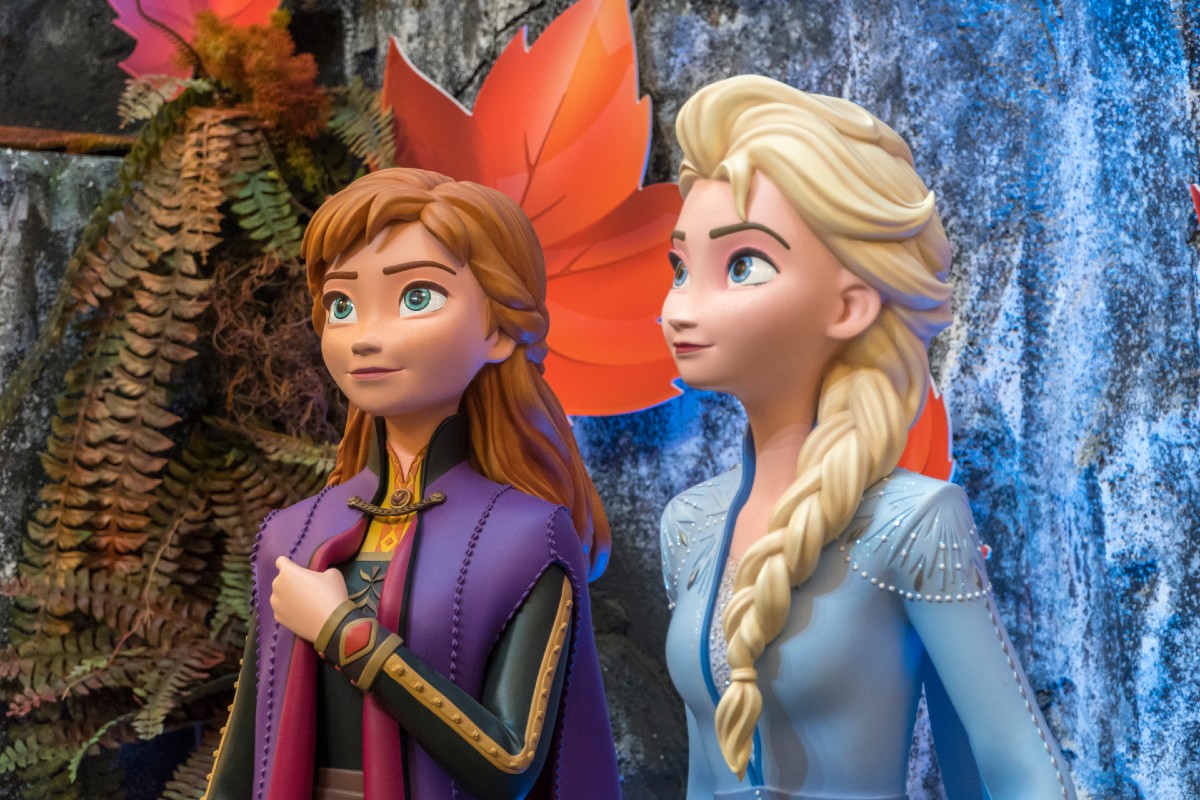
When a child opens a new princess doll today, something may seem a little different than the dolls of yesteryear, and that’s totally by design.
It was Earth Day 2021 when The Walt Disney Company introduced plastic-free packaging for 15 of its classic princess dolls, replacing traditional materials with sustainably sourced, fully recyclable paper.
According to Fuseneo, the St. Charles, Illinois-based company which helped design the new packaging, each package was designed to reflect the individual character’s story, while also being durable and easy to open—features intended to extend its use beyond the initial purchase, whether as a play prop or for storage.
Notably, Disney opted to forgo the standard plastic window, instead featuring a printed image of the doll on the exterior, an unconventional move that has been widely embraced by consumers. The company has since expanded this packaging approach across additional product lines as part of its broader sustainability efforts.
The shift, highlighted in a recent report from TechRadar, reflects a broader push across the toy industry to cut plastic waste. According to the report, Disney’s latest redesign of its princess doll packaging uses approximately 40% less material than previous versions, while eliminating the clear plastic window that traditionally allowed shoppers to see the product inside.
“The biggest challenge was presentation,” a Disney executive explained in the report, underscoring a central tension facing manufacturers: how to maintain shelf appeal without relying on plastic.
While the switch to a cardboard box instead of a glossy plastic display may seem subtle, behind the scenes, it represents a fundamental redesign of how toys are packaged, shipped and sold.
After all, plastic windows don’t just showcase a product, they also provide rigidity, prevent damage and help keep items secure during transport. Removing them forces companies to rethink structural integrity, internal supports and even how products are arranged inside the box.
Disney’s latest iteration aims to improve both sustainability and the “unboxing” experience, a key factor for today’s consumers, especially in an era of social media and online reviews.
But Disney is far from alone. Across the toy aisle, major manufacturers are making similar moves. Companies like Mattel and Hasbro have pledged to reduce or eliminate plastic in packaging, while LEGO is transitioning to paper-based bags inside its sets.
“We tested around 180 different paper types and formats to find a bag that would not compromise the high standards LEGO fans expect from us,” the company wrote on its website. “Paper is more sensitive than plastic to changes in humidity, so it was important to find a material that can be made and used in all our factories, whether in a hot, humid climate or a colder one. As of 2025, 56 percent of our global packaging lines have transitioned to our new paper-based solution.”
Industry-wide, the goal is to move toward packaging that is recyclable, reusable or made from renewable materials.
The shift comes amid growing consumer awareness of plastic waste. Packaging accounts for a significant portion of global plastic use and toys have long been part of that equation. By reducing plastic in packaging, companies can make visible progress on sustainability goals without immediately overhauling the products themselves, which are still largely made from plastic.
Many shoppers say they want more sustainable packaging, even if it looks different or feels less premium. For brands, the challenge is balancing those expectations with the realities of cost, performance and marketing.