
Resource Recycling
  • The Latest
  • Analysis
    • All
    • Certification Scorecard
    • Industry Announcements
    • Opinion

    Certification scorecard for week of Jan. 26, 2026

    New entrepreneurs bring renewed energy to e-cycling

    Europe pulls ahead on ITAD now while US growth remains slower

    Recyclers are facing unprecedented changes

    Leveraging materials testing for procurement efficiency

    Server resale values surge in AI-driven markets

    Certification scorecard for week of Jan. 19, 2026

    From CES to the shredder: What 2026 PCs mean for ITAD

    Server resale values surge in AI-driven markets

    Certification scorecard for week of Jan. 12, 2026

    Industry announcements for January 2026

    Industry announcements for January 2026

    Certification scorecard for Dec. 18-30, 2025

  • Conferences
  • Publications

    Other Topics

    Textiles
    Organics
    Packaging
    Glass
    Brand Owners

    Metals
    Technology
    Research
    Markets
    Grant Watch

    All Topics

Subscribe
No Result
View All Result
Resource Recycling
  • The Latest
  • Analysis
    • All
    • Certification Scorecard
    • Industry Announcements
    • Opinion

    Certification scorecard for week of Jan. 26, 2026

    New entrepreneurs bring renewed energy to e-cycling

    Europe pulls ahead on ITAD now while US growth remains slower

    Recyclers are facing unprecedented changes

    Leveraging materials testing for procurement efficiency

    Server resale values surge in AI-driven markets

    Certification scorecard for week of Jan. 19, 2026

    From CES to the shredder: What 2026 PCs mean for ITAD

    Server resale values surge in AI-driven markets

    Certification scorecard for week of Jan. 12, 2026

    Industry announcements for January 2026

    Industry announcements for January 2026

    Certification scorecard for Dec. 18-30, 2025

  • Conferences
  • Publications

    Other Topics

    Textiles
    Organics
    Packaging
    Glass
    Brand Owners

    Metals
    Technology
    Research
    Markets
    Grant Watch

    All Topics

Subscribe
No Result
View All Result
Resource Recycling
No Result
View All Result
Home Plastics

EPA releases strategy against plastic pollution

Marissa HeffernanbyMarissa Heffernan
November 27, 2024
in Plastics
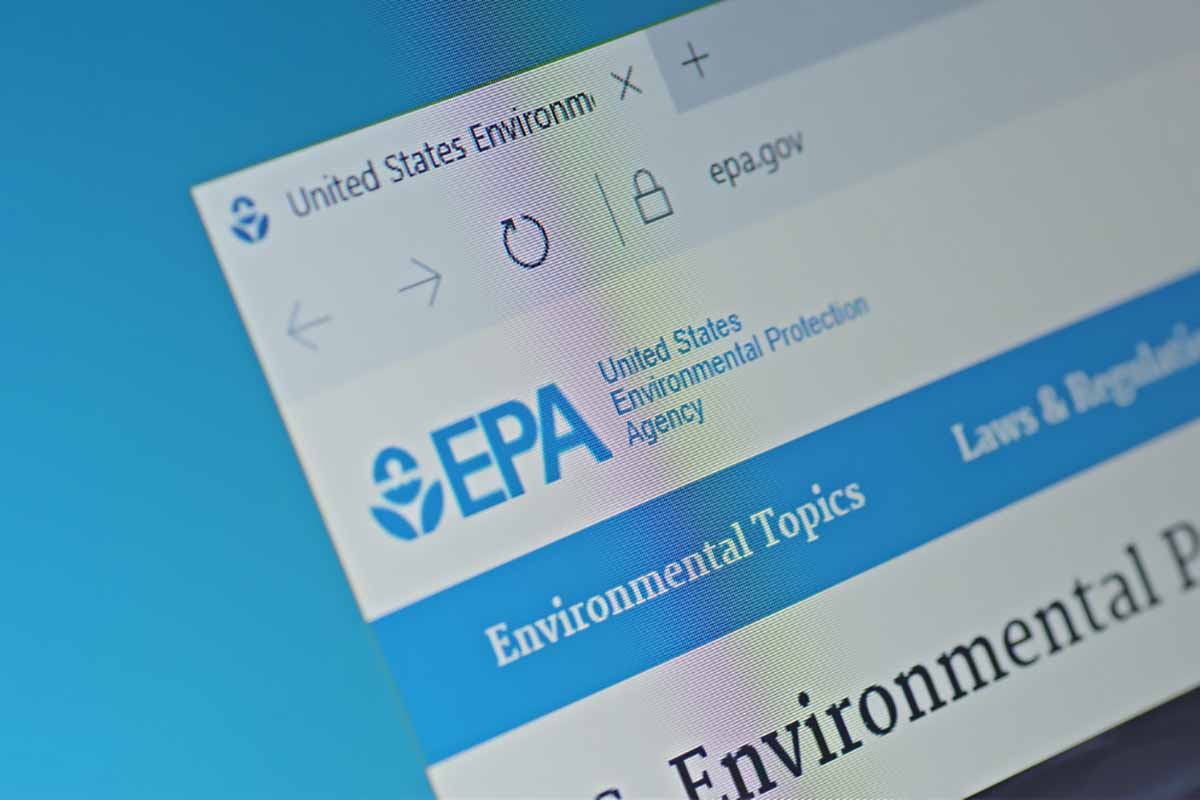
The strategy is organized into six objectives that address plastic at all stages of its lifecycle. | g0d4ather/Shutterstock

The U.S. EPA released its National Strategy to Prevent Plastic Pollution, and recycling industry stakeholders responded with support and a call to make sure industry experts are involved with implementation.  

The Solid Waste Association of North America plans to be a resource and help the EPA implement the plan, a press release noted, and SWANA “encourages the EPA to utilize the knowledge of the individuals and organizations working in these areas to leverage best practices and new ideas.”

The final strategy comes more than a year after the EPA solicited feedback on the draft rules and got 92,000 comments in response. 

It is organized around six objectives: reducing pollution from plastic production, innovating material and product design, decreasing waste generation, improving waste management, improving capture and removal of plastic pollution, and minimizing loadings and impacts to waterways and the ocean. 

“Each objective is followed by opportunities for action that support the United States’ shift to a circular approach to materials management, which is restorative or regenerative by design, enables resources to maintain their highest value for as long as possible and aims to eliminate waste in the management of plastic products,” the EPA stated. 

The strategy includes “only opportunities for action that promote circularity, including those actions that are anticipated to reduce plastic product use,” it noted. “Processes that convert solid waste and feedstocks derived from secondary plastics to fuels, fuel ingredients or energy are not within the scope of the National Strategy to Prevent Plastic Pollution and the National Recycling Strategy.”

For Objective B, innovating material and product design, the EPA suggests identifying “alternative materials, products or systems that can minimize impacts on human health and the environment,” as well as developing sustainability standards, ecolabels, certifications and design guidelines. 

“Plastic products and packaging have become increasingly complex and are not always designed to be sustainably managed once they become waste,” the authors wrote. “This complexity can lead to challenges with reducing or sustainably managing plastic waste, such as recycling stream contamination and damage to recycling infrastructure.” 

Labeling can also play a role as “an important lever for communicating product recyclability and transparency about chemicals in products.” 

Promoting the Green Guides, setting standardized labels and reviewing the resin identification codes “to determine if changes are needed to reduce confusion about the recyclability of plastic products,” are all suggested actions in the plan.

For Objective C, decreasing waste generation, the strategy recommends reducing the production and consumption of single-use plastic products as well as developing material reuse capacity and better public education. 

“Circular approaches are needed to reduce the rates of plastic production and consumption and decrease waste generation to reduce the human health and environmental impacts of plastic products throughout the plastics lifecycle,” the EPA stated. 

One way to do so would be setting a national, voluntary goal to reduce the production of single-use plastic products.

“This new goal would help galvanize action across the country and encourage reduction and reuse programs, as well as support and promote the use of sustainable alternative products,” the plan noted. 

To decrease consumption, the federal government could “lead by example” and set procurement guidelines that prioritize products with recycled content, that are reusable or that minimize or restrict single use plastics, the EPA suggested. 

And to meet Objective D, improving waste management, the EPA wrote that improvements to the “collection, transportation and/or export of waste are needed so that it does not enter the environment.” 

That includes exploring the possible ratification of the Basel Convention, supporting state, local, Tribal and territorial governments in their efforts to improve waste management, developing a national extended producer responsibility framework and exploring a paired deposit return system. 

“EPA could perform an environmental justice assessment for non-hazardous solid waste management facilities to improve understanding of the economic, social, environmental and human health impacts such facilities have on the surrounding communities,” which would include recycling facilities, the authors suggested.

Industry reacts

The National Waste and Recycling Association applauded the EPA’s efforts, saying in a statement that “recycling needs both public education and end markets to be successful.” 

To create strong end-market demand, the NWRA suggested that the EPA focus on setting out PCR purchasing policies and guidelines on how to source PCR, reducing contamination via labeling policy, and implementing national extended producer responsibility programs for hard-to-recycle items such as batteries, tires, mattresses and paint. 

The NWRA does not necessarily support national EPR for packaging, it noted, citing “multiple case studies that show packaging EPR does not achieve improved recovery rates of recyclables in well-established recycling programs.”

More federal funding should be considered as well, Kristyn Oldendorf, senior director of public policy and communications at SWANA, added in the organization’s statement. 

“Ongoing grant opportunities and other financial mechanisms will be key to expanding reuse and recycling systems into the future by enabling communities to implement needed infrastructure and programs,” Oldendorf said. 

The American Chemistry Council took a more cautious stance, noting that while it supports many aspects of the strategy, such as modernizing and expanding recycling capacity and the need for a national EPR framework, “some components of the agency’s strategy could inadvertently lead to the outsourcing of U.S. manufacturing.”

In particular, ACC pushed back against moving to alternatives to plastics. 

On the NGO front, the World Wildlife Fund said “a whole-of-government approach to stopping plastic pollution is what this moment requires to protect our communities and keep plastic out of nature.”


Tags: Industry GroupsPolicy Now
TweetShare
Marissa Heffernan

Marissa Heffernan

Marissa Heffernan worked at Resource Recycling from January 2022 through June 2025, first as staff reporter and then as associate editor. Marissa Heffernan started working for Resource Recycling in January 2022 after spending several years as a reporter at a daily newspaper in Southwest Washington. After developing a special focus on recycling policy, they were also the editor of the monthly newsletter Policy Now.

Related Posts

US Plastics Pact announces leadership change

US Plastics Pact announces leadership change

byAntoinette Smith
January 21, 2026

Crystal Bayliss will serve as interim executive director, the group's board of directors said in a statement.

New brand-led recycling group looks to work with Congress

New brand-led recycling group looks to work with Congress

byAntoinette Smith
January 20, 2026

Led by the Consumer Brands Association, the Recycling Leadership Council includes several recycling, packaging, manufacturing and consumer product groups.

Emerald joins effort to boost film, flexibles recycling

byAntoinette Smith
January 15, 2026

In an interview, Emerald's CEO said the company became the first packaging manufacturer to join the US Flexible Film Initiative,...

CARE launches carpet fiber ID device to aid recyclers

byAntoinette Smith
January 14, 2026

The customized unit can identify all yarn fibers and blends in about half a second, helping to make sorting more...

Battery recycling company settles environmental case

Call2Recycle rebrand signals broader role in US recycling

byScott Snowden
January 13, 2026

The organization, now called The Battery Network, is assuming an expanded role in battery logistics, EPR compliance and critical material...

US Plastics Pact releases progress report

byAntoinette Smith
January 13, 2026

The group reported progress on five-year goals by signatories representing the entire plastics value chain, but pointed out systemic challenges...

Load More
Next Post

News from Container Recycling Institute, Asia Reuse Consortium and more

More Posts

Alpek closing Pennsylvania RPET plant

Alpek closing Pennsylvania RPET plant

January 22, 2026

Producers settle with California AG over plastic bag claims

January 26, 2026
Women in Circularity: Tara Button

Women in Circularity: Tara Button

January 26, 2026

Recyclers are facing unprecedented changes

January 27, 2026
Chinese processing group details goals for US visit

AMP lays out vision of next-generation, AI-driven MRFs

July 24, 2024
CalRecycle withdraws proposed regs for SB 54

CalRecycle withdraws proposed regs for SB 54

January 12, 2026

Blue Whale scales up battery recycling in OK

January 26, 2026
Server resale values surge in AI-driven markets

Server resale values surge in AI-driven markets

January 22, 2026

VW investing millions in auto recycling in Germany

January 28, 2026

BioCycle shifts leadership as Paula Luu takes the reins

January 23, 2026
Load More

About & Publications

About Us

Staff

Archive

Magazine

Work With Us

Advertise
Jobs
Contact
Terms and Privacy

Newsletter

Get the latest recycling news and analysis delivered to your inbox every week. Stay ahead on industry trends, policy updates, and insights from programs, processors, and innovators.

Subscribe

Welcome Back!

Login to your account below

Forgotten Password?

Retrieve your password

Please enter your username or email address to reset your password.

Log In

Add New Playlist

No Result
View All Result
  • The Latest
  • Analysis
  • Recycling
  • E-Scrap
  • Plastics
  • Policy Now
  • Conferences
    • E-Scrap Conference
    • Plastics Recycling Conference
    • Resource Recycling Conference
    • Textiles Recovery Summit
  • Magazine
  • About Us
  • Advertise
  • Archive
  • Jobs
  • Staff
Subscribe
This website uses cookies. By continuing to use this website you are giving consent to cookies being used. Visit our Privacy and Cookie Policy.