




Resource Recycling
  • The Latest
  • Analysis
    • All
    • Certification Scorecard
    • Industry Announcements
    • Opinion
    Top stories from March 2025

    3 factors force e-scrap processing onshore

    Data center boom sets up ITAD growth

    Certification Scorecard — Week of June 15, 2026

    Tzvika Shahaf of Blancco

    Blancco names new SVP of product strategy

    IT security driving plans, reshaping budgets

    Study cuts projected AI server e-waste by 90%

    A call to action: End markets and EPR

    A call to action: End markets and EPR

  • Conferences
    • Resource Recycling Conference
    • Plastics Recycling Conference
    • E-Scrap: The Longevity Conference
    • Textiles Recovery Summit
  • Publications
    • E-Scrap News
    • Plastics Recycling Update
    • Policy Now
    • Resource Recycling
    • Other Topics
      • All Topics
      • Brand Owners
      • Critical Minerals
      • Glass
      • Grant Watch / RFPs
      • Markets
      • Organics
      • Packaging
      • Research
      • Technology
      • Textiles
Subscribe
No Result
View All Result
Resource Recycling
  • The Latest
  • Analysis
    • All
    • Certification Scorecard
    • Industry Announcements
    • Opinion
    Top stories from March 2025

    3 factors force e-scrap processing onshore

    Data center boom sets up ITAD growth

    Certification Scorecard — Week of June 15, 2026

    Tzvika Shahaf of Blancco

    Blancco names new SVP of product strategy

    IT security driving plans, reshaping budgets

    Study cuts projected AI server e-waste by 90%

    A call to action: End markets and EPR

    A call to action: End markets and EPR

  • Conferences
    • Resource Recycling Conference
    • Plastics Recycling Conference
    • E-Scrap: The Longevity Conference
    • Textiles Recovery Summit
  • Publications
    • E-Scrap News
    • Plastics Recycling Update
    • Policy Now
    • Resource Recycling
    • Other Topics
      • All Topics
      • Brand Owners
      • Critical Minerals
      • Glass
      • Grant Watch / RFPs
      • Markets
      • Organics
      • Packaging
      • Research
      • Technology
      • Textiles
Subscribe
No Result
View All Result
Resource Recycling
No Result
View All Result
Home Plastics

EPA withdraws proposed rules aimed at chemical recycling

Antoinette SmithbyAntoinette Smith
July 8, 2025
in Plastics
Planned EPA cuts could hit grants, staffing
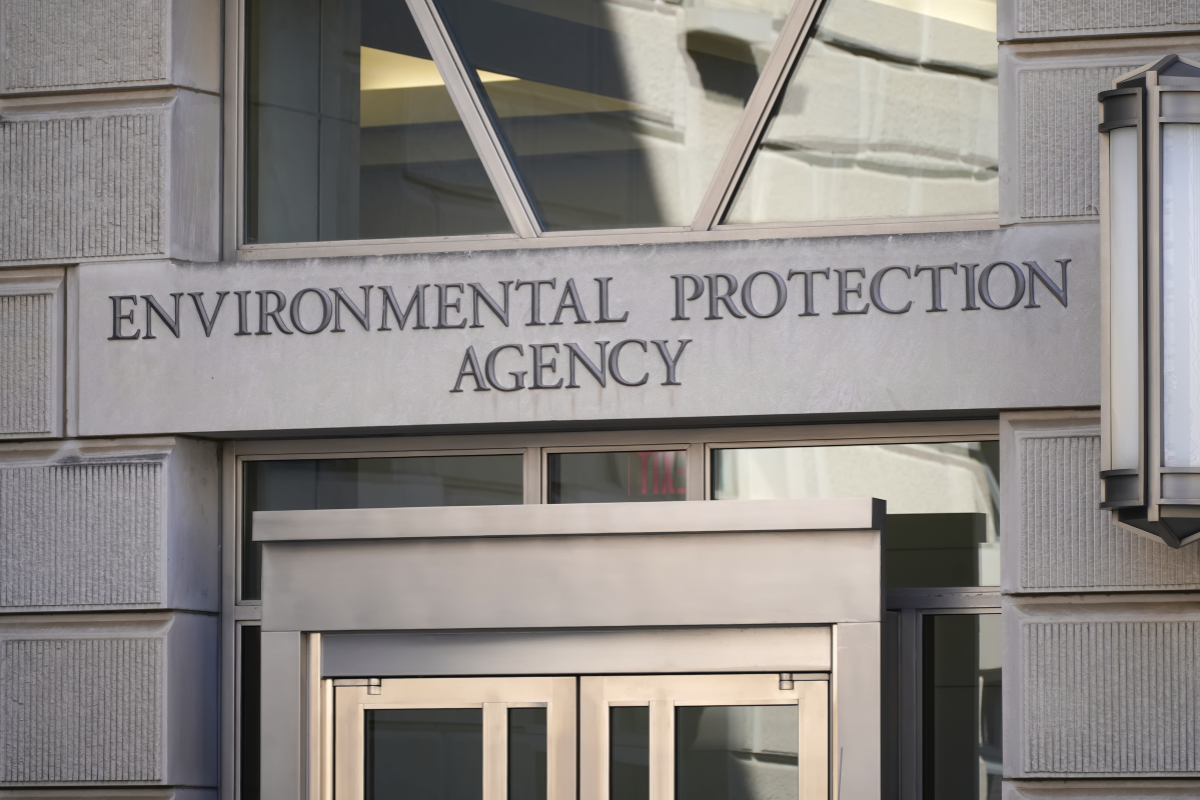
Federal rules attempting to regulate new recycling processes and potential contaminants continued a back-and-forth that has lasted at least five years. | John Hanson Pye/Shutterstock

The U.S. Environmental Protection Agency has withdrawn rules first proposed by the Biden administration that addressed chemical recycling and had attracted significant industry opposition. 

In a document set to publish July 9, the current Trump administration-led EPA said it is withdrawing “significant new use rules,” or SNURs, proposed in June 2023 under the Toxic Substances Control Act (TSCA). These rules would have required companies that intend to “process any of 18 specific chemical substances derived from plastic waste for an activity that is proposed as a significant new use by this rule to notify EPA at least 90 days before commencing that activity” to allow the agency to assess risks and regulate the significant new use if needed. 

“The 18 proposed rules also identify as an additional significant new use, manufacturing or processing of the chemical substances using feedstocks that contain any amount of contaminants listed in the proposed rules,” the proposal added.

During the extended public comment period for the 2023 proposal, chemical recycling firm Brightmark suggested additional time for stakeholders to consider “a number of key terms and potential effects of the proposed rule which would merit additional clarification.”

In its comments at the time, Freepoint Eco-Systems, which has been involved in several chemical recycling projects, said the rules put undue administrative burdens on industry, and asserted there were inconsistencies between the policy and the EPA’s mission, including that:

  • Imposing regulatory obstacles for realistic recycling scenarios runs counter to EPA’s stated objective of developing a circular economy for plastics.
  • Focusing on feedstock purity deviates from EPA’s approach to regulating chemicals under TSCA.

Michigan-based Dow cited in its comments the lack of a de minimis level for impurities, which “makes analytical testing and quantification impractical.” The company recommended EPA specify the chemicals of concern and identify a content threshold, among other suggestions for increasing clarity.

Ironically, the 2023 proposal purported to be addressing a lack of clarity surrounding pyrolysis, the most common method of chemical recycling: “As a result of recent market trends, especially with respect to the increased processing of waste plastics, the EPA received several inquiries about OSWI (other solid waste incineration) units and the applicability of OSWI regulations to pyrolysis/combustion units for a variety of process and feedstock type,” the proposal stated. “Based on these requests and the absence of a statutory definition of pyrolysis in the CAA (Clean Air Act), the Agency believed that there was considerable confusion in the regulated community regarding the applicability of OSWI to pyrolysis/combustion units. Moreover, the term ‘pyrolysis/combustion’ is not defined in the current OSWI regulation, nor is it included in the definition of ‘Institutional waste incineration unit.'” 

In comparison, no official company comments were submitted during the public comment period for a 2020 proposal from the Trump EPA that, among other issues, sought to remove the reference to “pyrolysis/combustion units” from the OSWI definition of ‘‘municipal waste combustion unit.” However, the agency “received significant adverse comments on that revision,” largely from environmental and tribal groups, the agency said in its own withdrawal in 2023.

Plastics makers applaud withdrawal 

In a statement, Ross Eisenberg, president of America’s Plastic Makers, said the rules “imposed unnecessary burdens and hindered investments in the advanced recycling industry.”

Eisenberg went on to say the SNURs lacked the required scientific basis required under TSCA, exceeded EPA’s authority by attempting to regulate feedstock impurities, and “failed to recognize the thermal and chemical transformation processes — such as pyrolysis — that can remove these impurities during the advanced recycling process.”

In a February 2025 blog post, Eisenberg lauded the first Trump administration for its “great progress on updating and clarifying federal policy to treat the re-manufacture of plastic (and other materials) like similar manufacturing processes.” He urged the current EPA to re-introduce its proposed regulations from 2020, adding that “companies need regulatory certainty if they’re going to invest in technologies and facilities designed to last for decades” and “there are few more surefire paths to stifle innovation than ambiguous regulations.” 

Recycling industry stakeholders have expressed similar concerns about inconsistency and uncertainty in how chemical recycling will be handled amid federal administration changes and state-level initiatives that are creating a patchwork of regulations.

For example, as California works to finalize regulations for its extended producer responsibility law for packaging, proposed procedures for handling new and emerging technologies — including chemical recycling — have drawn debate, especially from environmental groups. One recent draft placed the responsibility on the requesting facility to prove a new technology meets state requirements.

Recycling stakeholders in both Europe and the U.S. have struggled to advance chemical recycling projects, citing legislative hurdles along with high capital expenditures among the headwinds they face.

And in the past year or so, several industry groups have added nuance to their positions on chemical recycling. 

Tags: Chemical RecyclingPolicy Now
TweetShare
Antoinette Smith

Antoinette Smith

Antoinette Smith has been at Resource Recycling Inc., since June 2024, after several years of covering commodity plastics and supply chains, with a special focus on economic impacts. She can be contacted at antoinette@resource-recycling.com.

Related Posts

Revised CA budget includes $200m for recycling

CAA files California program plan for SB 54

byStefanie Valentic
June 15, 2026

CAA has delivered its California program plan as litigation over the underlying regulations continues and smaller producers scramble to meet...

Australia battery recycling sector could reach A$6.9bn by 2050

Colorado and California bills take aim at battery recycling gaps

byStefanie Valentic
June 12, 2026

Colorado's EV battery EPR law and California's SB 501 together represent a push to bring the full battery supply chain...

Aluminum can bale close up.

Aluminum scrap exports face scrutiny under HB 9161

byStefanie Valentic
June 9, 2026

A new House bill would direct the US International Trade Commission to investigate whether US aluminum scrap exports to adversarial...

Three-bill package aims to revamp Michigan’s bottle return system

byStefanie Valentic
June 9, 2026

Michigan lawmakers introduced a bipartisan three-bill package aimed at strengthening consumer access to bottle deposit refunds and clarifying retailer obligations...

House resolution aims to make recyclability central to product design

NY EPR bill fails to advance after third try

byStefanie Valentic
June 8, 2026

This marks the third session in which the bill cleared the Senate only to stall in the Assembly.

CalRecycle withdraws proposed regs for SB 54

Oceana, NRDC, CAW sue CalRecycle over SB 54 regs

byStefanie Valentic
June 5, 2026

The groups allege that the new regulations have too many loopholes for packaging producers.

Load More
Next Post

News from Mitsubishi Chemical, RecyClass and more

More Posts

IT security driving plans, reshaping budgets

Study cuts projected AI server e-waste by 90%

June 16, 2026
Revised CA budget includes $200m for recycling

CAA files California program plan for SB 54

June 15, 2026
Group updates on UBC-sorting robot’s success

Plastic bale pricing falls while paper, UBCs firm

June 15, 2026
Recycling council emphasizes importance of supply

Sorted: Why recycling isn’t a ‘scam’

June 15, 2026
CAA seeks industry input on EPR fees

CAA seeks industry input on EPR fees

June 16, 2026
ICIS monthly recycled plastics pulse: Most Oct resin prices stabilize for fall

CA advances PET payments bill, posts DRS recovery rates

June 18, 2026
batteries

WM adds batteries to recycling watch list

June 16, 2026
Rare look inside the world’s largest plastics recycler

TRP launches fund to boost recycling

June 12, 2026
A call to action: End markets and EPR

A call to action: End markets and EPR

June 16, 2026
Australia battery recycling sector could reach A$6.9bn by 2050

Colorado and California bills take aim at battery recycling gaps

June 12, 2026
Load More

About & Publications

About Us

Staff

Archive

Magazine

Work With Us

Advertise
Jobs
Contact
Terms and Privacy

Newsletter

Get the latest recycling news and analysis delivered to your inbox every week. Stay ahead on industry trends, policy updates, and insights from programs, processors, and innovators.

Subscribe

Welcome Back!

Login to your account below

Forgotten Password?

Retrieve your password

Please enter your username or email address to reset your password.

Log In

Add New Playlist

No Result
View All Result
  • The Latest
  • Analysis
  • Recycling
  • E-Scrap
  • Plastics
  • Policy Now
  • Conferences
    • E-Scrap Conference
    • Plastics Recycling Conference
    • Resource Recycling Conference
    • Textiles Recovery Summit
  • Magazine
  • About Us
  • Advertise
  • Archive
  • Jobs
  • Staff
Subscribe
This website uses cookies. By continuing to use this website you are giving consent to cookies being used. Visit our Privacy and Cookie Policy.