





Resource Recycling
  • The Latest
  • Analysis
    • All
    • Certification Scorecard
    • Industry Announcements
    • Opinion
    Closeup of a printed circuitboard

    Can modular metals recovery challenge the smelter model?

    Intel sign outside of company building.

    What Intel’s blockbuster quarter means for ITAD

    Feds to develop repairable computer donation program

    The whitebox blind spot in PC recycling

    Analysis: circular design still elusive in laptops

    PC shipments grew in Q1, but questions remain

    The independent ITAD at a crossroads

    The independent ITAD at a crossroads

    Certification Scorecard — Week of April 20, 2026

    Apple Watch on product box.

    Wearables are coming and ITAD isn’t ready

    Certification Scorecard — Week of April 13, 2026

    EV Battery Pack - Sergii Chernov-Shutterstock

    Redwood, Rivian deal fuels US infrastructure plans

  • Conferences
  • Publications

    Other Topics

    Textiles
    Organics
    Packaging
    Glass
    Brand Owners

    Metals
    Technology
    Research
    Markets
    Grant Watch

    All Topics

Subscribe
No Result
View All Result
Resource Recycling
  • The Latest
  • Analysis
    • All
    • Certification Scorecard
    • Industry Announcements
    • Opinion
    Closeup of a printed circuitboard

    Can modular metals recovery challenge the smelter model?

    Intel sign outside of company building.

    What Intel’s blockbuster quarter means for ITAD

    Feds to develop repairable computer donation program

    The whitebox blind spot in PC recycling

    Analysis: circular design still elusive in laptops

    PC shipments grew in Q1, but questions remain

    The independent ITAD at a crossroads

    The independent ITAD at a crossroads

    Certification Scorecard — Week of April 20, 2026

    Apple Watch on product box.

    Wearables are coming and ITAD isn’t ready

    Certification Scorecard — Week of April 13, 2026

    EV Battery Pack - Sergii Chernov-Shutterstock

    Redwood, Rivian deal fuels US infrastructure plans

  • Conferences
  • Publications

    Other Topics

    Textiles
    Organics
    Packaging
    Glass
    Brand Owners

    Metals
    Technology
    Research
    Markets
    Grant Watch

    All Topics

Subscribe
No Result
View All Result
Resource Recycling
No Result
View All Result
Home Plastics

Groups to EPA: Consider source reduction and EPR

Marissa HeffernanbyMarissa Heffernan
July 25, 2023
in Plastics
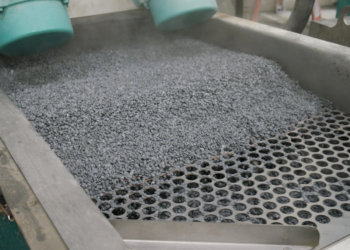
IBM breakthrough could spark greater e-plastics recovery
Marine pollution was a focus of a number of industry and environmental groups offering thoughts on the U.S. EPA’s plastics strategy. | Mario De Moya F/Shutterstock
Ahead of a July 31 deadline, the EPA has received nearly 100 comments on its draft National Strategy to Prevent Plastic Pollution, many of them calling for federal-level programs.

Stakeholder comments urged the agency to pay more attention to marine pollution, enact federal extender producer responsibility (EPR) and deposit return systems, and enforce plastic reduction targets.

Strategy with multiple goals

The overarching objectives of the EPA strategy are to reduce pollution during plastic production, improve post-use materials management, remove escaped materials from the environment, and prevent micro- and nano-plastics from entering waterways.

In its comment, environmental group Beyond Plastics called plastic recycling “an abysmal failure” and said the “single most important priority of a federal policy on plastics must be to promote policies and practices that reduce the generation of plastics.” 

Beyond Plastics also recommended creating standardized legal definitions, regulating reduction targets for packaging producers with clear timelines, removing toxic chemicals from packaging and instituting national enforcement and compliance initiatives to “prohibit false solutions, particularly ‘chemical recycling’.” 

The Green Restaurant Association suggested requiring a high post-consumer material minimum for all disposable products, a national deposit return system and a national disposables fee charged for each disposable product used, with the funds given to restaurants using 100% reusables for in-house and a reusable take-out service.

The United States Department of the Interior suggested expanding the scope of the strategy to include sea-based sources of marine plastic pollution, such as fishing and shipping vessels, “given the substantial contribution of sea-based sources and the significant and increasing contributions of the United States to marine plastic pollution globally.” 

Restrictions or bans of non-essential items, more reusables and encouragement of sustainable job growth were the recommendations from the Oregon Department of Environmental Quality, while the Product Stewardship Institute also called for federal EPR for packaging and other products. 

“EPR for packaging addresses most of the concerns and questions in the Draft National Strategy to Prevent Plastic Pollution, yet it is only referenced as a solution once,” PSI’s comment noted.

Kerrin O’Brien, executive director of the Michigan Recycling Coalition, also emphasized the lack of attention paid to EPR. “Products produced in one community but consumed in many will require coordinated effort at a higher level,” she said.

“It would be great to see EPA prioritize exploring options with producers regarding the impacts of their plastic products and packaging because if it happens like it happened in recycling, it will cost producers much, much more to cover the disparate system of EPR developing now,” O’Brien said. “There is an enormity of issues, options and opportunities that can and will be undertaken to address these issues,” she continued. “A draft strategy that goes beyond voluntary efforts that can be undertaken in the U.S. and brings some focus to what EPA’s role and goals are in this realm would provide needed leadership, but [these] are missing from this strategy.”

Comments are open through Monday, July 31.

Tags: EPRIndustry GroupsPolicy Now
TweetShare
Marissa Heffernan

Marissa Heffernan

Marissa Heffernan worked at Resource Recycling from January 2022 through June 2025, first as staff reporter and then as associate editor. Marissa Heffernan started working for Resource Recycling in January 2022 after spending several years as a reporter at a daily newspaper in Southwest Washington. After developing a special focus on recycling policy, they were also the editor of the monthly newsletter Policy Now.

Related Posts

Women in Circularity: Connie Lilley

Women in Circularity: Connie Lilley

byMaryEllen Etienne
April 28, 2026

In this series, we spotlight women moving us toward a circular economy. Today, we meet Connie Lilley of We ReUse.

What is EPR and why it matters

What is EPR and why it matters

byScott Snowden
April 22, 2026

Extended producer responsibility is reshaping recycling by shifting costs to manufacturers and driving changes in product design, repairability and end-of-life...

EPR fees are a market signal. Here’s what they’re telling you.

Oregon DEQ flags 250 producers for RMA noncompliance

byStefanie Valentic
April 21, 2026

Oregon DEQ released its first quarterly producer status list under the Recycling Modernization Act on April 9, flagging 250 companies...

Recycling Partnership CEO stepping down

byStefanie Valentic
April 15, 2026

Outgoing CEO Keefe Harrison will remain until August with the organization she built from the ground up.

NERC launches hub to promote PCR demand 

byAntoinette Smith
April 15, 2026

The Northeast Recycling Council's PCR Material Demand Hub offers resources for government procurement, material- and product-specific resources, and certification and...

Reverse Logistics Network launches to support industry

byPaul Lane
April 14, 2026

The reverse logistics community has a new organization to give companies in that sector a place to connect.

Load More
Next Post

Coca-Cola, bottlers plan recycling tech investments

More Posts

Birch Plastics gets FDA green-light for post-industrial PP

LyondellBasell upgrade to PreZero assets on hold

April 23, 2026
The independent ITAD at a crossroads

The independent ITAD at a crossroads

April 22, 2026
EPR fees are a market signal. Here’s what they’re telling you.

Oregon DEQ flags 250 producers for RMA noncompliance

April 21, 2026

What Netflix’s ‘Plastic Detox’ gets wrong – and right

April 23, 2026

Google pilots reuse kits to extend device life

April 21, 2026
What is EPR and why it matters

What is EPR and why it matters

April 22, 2026
Earth Day

Happy Earth Day. Here’s how to celebrate

April 22, 2026
Growth challenges drive M&A for packaging

Growth challenges drive M&A for packaging

April 20, 2026
EPR fees are a market signal. Here’s what they’re telling you.

EPR fees are a market signal. Here’s what they’re telling you.

April 10, 2026
Prescription drug bottles

National Prescription Drug Take Back Day is Saturday

April 24, 2026
Load More

About & Publications

About Us

Staff

Archive

Magazine

Work With Us

Advertise
Jobs
Contact
Terms and Privacy

Newsletter

Get the latest recycling news and analysis delivered to your inbox every week. Stay ahead on industry trends, policy updates, and insights from programs, processors, and innovators.

Subscribe

Welcome Back!

Login to your account below

Forgotten Password?

Retrieve your password

Please enter your username or email address to reset your password.

Log In

Add New Playlist

No Result
View All Result
  • The Latest
  • Analysis
  • Recycling
  • E-Scrap
  • Plastics
  • Policy Now
  • Conferences
    • E-Scrap Conference
    • Plastics Recycling Conference
    • Resource Recycling Conference
    • Textiles Recovery Summit
  • Magazine
  • About Us
  • Advertise
  • Archive
  • Jobs
  • Staff
Subscribe
This website uses cookies. By continuing to use this website you are giving consent to cookies being used. Visit our Privacy and Cookie Policy.