









Resource Recycling
  • The Latest
  • Analysis
    • All
    • Certification Scorecard
    • Industry Announcements
    • Opinion
    HP receives ocean plastics certification

    HP Inc. earnings point to memory inflation challenge

    Certification scorecard for the week of Feb. 23, 2026

    Umicore highlights strength in recycling, catalysis

    Apto, Tusaar partner on rare earths recovery

    Apto, Tusaar partner on rare earths recovery

    Certification scorecard for the week of Feb. 16, 2026

    Sims Lifecycle leverages hyperscale decommissioning

    Sims Lifecycle leverages hyperscale decommissioning

    The electronics recycling industry is undergoing a transformation from labor-intensive manual operations to highly automated, AI-driven facilities that use advanced robotics, cleaner chemistry and digital tracking systems to extract critical materials.

    The cyber-physical MRF: AI and robotics reshape e-waste recovery

    Certification scorecard for the week of Feb. 9, 2026

    Meta-Corning deal signals IT hardware retirement wave

    Meta-Corning deal signals IT hardware retirement wave

  • Conferences
  • Publications

    Other Topics

    Textiles
    Organics
    Packaging
    Glass
    Brand Owners

    Metals
    Technology
    Research
    Markets
    Grant Watch

    All Topics

Subscribe
No Result
View All Result
Resource Recycling
  • The Latest
  • Analysis
    • All
    • Certification Scorecard
    • Industry Announcements
    • Opinion
    HP receives ocean plastics certification

    HP Inc. earnings point to memory inflation challenge

    Certification scorecard for the week of Feb. 23, 2026

    Umicore highlights strength in recycling, catalysis

    Apto, Tusaar partner on rare earths recovery

    Apto, Tusaar partner on rare earths recovery

    Certification scorecard for the week of Feb. 16, 2026

    Sims Lifecycle leverages hyperscale decommissioning

    Sims Lifecycle leverages hyperscale decommissioning

    The electronics recycling industry is undergoing a transformation from labor-intensive manual operations to highly automated, AI-driven facilities that use advanced robotics, cleaner chemistry and digital tracking systems to extract critical materials.

    The cyber-physical MRF: AI and robotics reshape e-waste recovery

    Certification scorecard for the week of Feb. 9, 2026

    Meta-Corning deal signals IT hardware retirement wave

    Meta-Corning deal signals IT hardware retirement wave

  • Conferences
  • Publications

    Other Topics

    Textiles
    Organics
    Packaging
    Glass
    Brand Owners

    Metals
    Technology
    Research
    Markets
    Grant Watch

    All Topics

Subscribe
No Result
View All Result
Resource Recycling
No Result
View All Result
Home Plastics

California data shows PCR backsliding among major brands

byJared Paben
September 29, 2021
in Plastics
Expect more PET recycling investments from Indorama
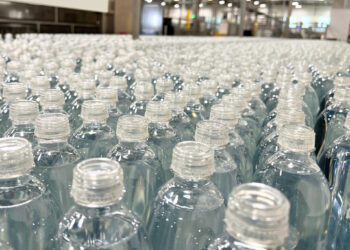
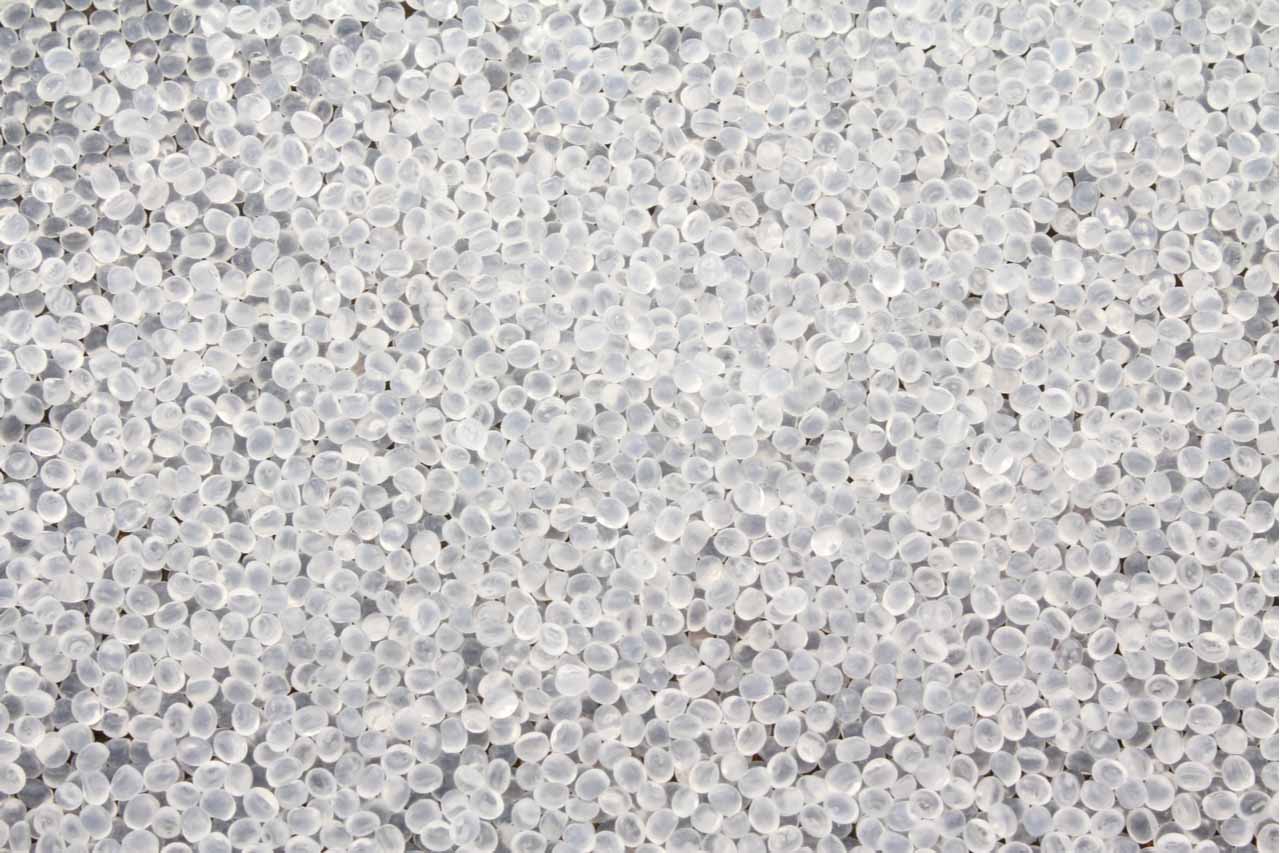
Data from California shows some major beverage producers used lower percentages of post-consumer resin in 2020 than they did in 2019. | tezzstock / Shutterstock
The clock is ticking on California’s law mandating recycled plastic in drink bottles, and some beverage producers still have a long way to go, newly released data reveals.

California officials posted plastic usage reports showing that some major beverage producers, including Coca-Cola North America, Niagara Bottling, PepsiCo Bottling Group and Nestle Waters US, actually used lower percentages of post-consumer resin (PCR) in 2020 than they did in 2019, the year before COVID-19 struck North America.

And the documents show a number of other well-known brand names continued using zero recycled plastic last year.

Meanwhile, the Golden State’s recycled-content requirements are fast approaching. Passed and signed into law last year, Assembly Bill 793 mandates that all plastic bottles covered by the state’s container redemption program average at least 15% PCR starting in 2022. That mandate increases to 25% in 2025 and 50% in 2030.

Many major drink makers are already exceeding the 15% PCR mandate – some by significant margins – but others are way short. The following are 2020 (and 2019 comparison data when available) PET numbers from California beverage producers using at least 1 million pounds of PET and some level of PCR (organized by largest plastic user to smallest): 

Coca-Cola North America: 171.57 million pounds of total PET, 10% of which was PCR (down from 19% in 2019).

Niagara Bottling (also a private label producer for Walmart, Safeway, Costco and others): 130.86 million pounds, 20% PCR (down from 35% the year before).

Pepsi Cola Bottling Group: 97.30 million pounds, 18% PCR (down from 20%).

CG Roxane-Crystal Geyser Alpine Spring Water: 50.69 million pounds, 37% PCR (up from 20%). 

Nestle Waters US: 48.07 million pounds, 33% PCR (down from 36%).

Premium Waters (also a private label producer): 8.05 million pounds, 72% PCR (up from 0% PCR).

Hydration Source (water producer): 3.84 million pounds, 12% PCR (up from 0.3%).

Chameleon Beverage (water producer): 2.06 million pounds, 48% PCR (up from 47%).

Danone Waters of America: 1.60 million pounds, 23% PCR (up from 20%).

Dolgen California (owner of Dollar General stores): 1.29 million pounds, 11% PCR (down from 17%).

The following are companies that used at least 1 million pounds of virgin PET but reported either zero PCR used or omitted PCR data entirely (ordered from largest to smallest plastic user): 

  • BA Sports Nutrition (owner of the Body Armor drink brand): 42.63 million pounds.
  • American Bottling (Dr Pepper Snapple Group’s wholly owned bottler): 19.13 million pounds.
  • Crystal Geyser Water Co. (sparkling water producer that operates independent of CG Roxane but has some shared ownership interest): 7.12 million pounds.
  • Lassonde Pappas and Company: 4.63 million pounds.
  • Mott’s: 4.39 million pounds.
  • FIJI Water: 4.16 million pounds.
  • Unix Packaging: 3.59 million pounds.
  • Arizona Beverages USA: 2.93 million pounds.
  • Langer Juice Co.: 2.05 million pounds.
  • Refresco Beverages US (independent bottler): 1.05 million pounds.

Under AB 793, starting in 2023, manufacturers that miss the PCR targets are subject to penalty fees of 20 cents for each pound of PCR they fall short, although the California Department of Resources Recycling and Recovery (CalRecycle) can reduce the penalties based on certain factors. 

Starting in 2025, the CalRecycle director has the authority to lower the recycled-content targets either of their own accord or after receiving a petition from beverage manufacturers. The law doesn’t allow the director to lower the targets before 2025, however. 

It’s unknown whether the downfall of nationwide PET reclaimer CarbonLite, which had its headquarters and first plant in the Los Angeles area, played into RPET usage decreases in 2020. Niagara, Nestle Waters and PepsiCo were among CarbonLite’s customers, some of which decreased or canceled their RPET purchases after CarbonLite unilaterally increased its resin prices. CarbonLite CEO Leon Farahnik previously told Plastics Recycling Update that COVID-19 closures also reduced the amount of deposit containers being redeemed in the state, squeezing feedstock supply for CarbonLite.  

California’s recycled-content requirements are relatively new, and they may inspire other states to pass similar laws. Washington state already has. 

But the requirement that beverage producers disclose their recycled-plastic usage in California goes back several years. Assembly Bill 2530, passed and signed into law in 2016, began requiring producers of beverages in the state’s container deposit program to annually disclose the amount of virgin and recycled plastic they used in California starting in 2017. CalRecycle has posted the data online for the public to see. 

Over the years, producers have submitted a wide array of numbers with little consistency. Some report pounds, others report kilograms and others submit data in tons, without indicating whether they’re short or metric tons. Some companies report PRC percentages but not weights, and still others submit forms with little to no information. 

For the 2020 data, however, CalRecycle staff adjusted the submittals to provide some standardization, converting all numbers to pounds. That allows for easier comparisons between companies and from year to year. 
 

Tags: Brand OwnersCaliforniaLegislationPET
TweetShare
Jared Paben

Jared Paben

Related Posts

PET bales stacked for recycling.

Evergreen closing RPET plants in Ohio, New York

byAntoinette Smith
February 24, 2026

The Ohio-based company attributed the closure to the unexpected actions of a lender even as Evergreen was in talks with...

Minnesota publishes prelim EPR assessment

Minnesota publishes prelim EPR assessment

byAntoinette Smith
February 20, 2026

The report will inform recommendations featured in the next report to develop the state's EPR program for packaging.

Vermont’s battery stewardship law targets fire risk

byStefanie Valentic
February 20, 2026

The state's new law gives residents more options to safely dispose of everything from single-use alkaline batteries to medium-format e-bike...

Textile clothing bins

Report details how to make CA textile recycling work

byPaul Lane
February 16, 2026

A new report confirms the sentiment that led to a new textile recovery law in California, detailing just how much...

Origin Materials to reduce staff in reorg

byAntoinette Smith
February 13, 2026

The materials technology company will lay off 32% of its staff and shift more resources toward commercializing PET closures, a...

Bipartisan reps introduce bill on recycling claims

Bipartisan reps introduce bill on recycling claims

byAntoinette Smith
February 12, 2026

Legislators introduced the Recycled Materials Attribution Act in the US House, drawing support from a new industry group and scrutiny...

Load More
Next Post

News from Global Electronics Council, Northwestern University and more

More Posts

PET bales stacked for recycling.

Evergreen closing RPET plants in Ohio, New York

February 24, 2026

Rising containerboard demand comes as OCC prices taper

November 5, 2024
WM opens new $90m MRF in south Florida 

WM opens new $90m MRF in south Florida 

February 23, 2026

Paper giants foresee continuing rise in OCC prices

August 28, 2023

North American paper mills discuss demand, OCC pricing

May 15, 2023
Battery fire risk isn’t going away. Insurance is responding

Battery fire risk isn’t going away. Insurance is responding

February 24, 2026
Recycled plastic lumber firms report diverging results

Trex CEO to retire after 23-year run

February 25, 2026
How will 2026 unfold for plastics recycling?

How will 2026 unfold for plastics recycling?

February 19, 2026
Chinese processing group details goals for US visit

AMP lays out vision of next-generation, AI-driven MRFs

July 24, 2024
Minnesota publishes prelim EPR assessment

Minnesota publishes prelim EPR assessment

February 20, 2026
Load More

About & Publications

About Us

Staff

Archive

Magazine

Work With Us

Advertise
Jobs
Contact
Terms and Privacy

Newsletter

Get the latest recycling news and analysis delivered to your inbox every week. Stay ahead on industry trends, policy updates, and insights from programs, processors, and innovators.

Subscribe

Welcome Back!

Login to your account below

Forgotten Password?

Retrieve your password

Please enter your username or email address to reset your password.

Log In

Add New Playlist

No Result
View All Result
  • The Latest
  • Analysis
  • Recycling
  • E-Scrap
  • Plastics
  • Policy Now
  • Conferences
    • E-Scrap Conference
    • Plastics Recycling Conference
    • Resource Recycling Conference
    • Textiles Recovery Summit
  • Magazine
  • About Us
  • Advertise
  • Archive
  • Jobs
  • Staff
Subscribe
This website uses cookies. By continuing to use this website you are giving consent to cookies being used. Visit our Privacy and Cookie Policy.